
Travel & Day Trips
Epstein Bed and Breakfast Liverpool: Your Deep Dive into
The Epstein Bed and Breakfast Liverpool offers a unique chance to stay in Brian Epstein’s childhood home. This guide provides practical tips for booking and making the most of your historic Beatles-themed stay.


A common question asked by music history enthusiasts and devoted Beatles fans is how to truly immerse themselves in the legacy of the Fab Four beyond the usual tourist stops. The answer often leads to the Epstein Bed and Breakfast Liverpool, Brian Epstein’s former childhood home, now a unique accommodation offering an unparalleled glimpse into rock ‘n’ roll history. It’s more than just a place to sleep; it’s a living museum that requires a specific approach to appreciate fully.
Key Takeaways
- The Epstein B&B is Brian Epstein’s former home, offering a unique, immersive Beatles-themed stay.
- Guests can choose from three distinct themed rooms, each with period-appropriate decor and modern comforts.
- Booking well in advance is crucial, especially during peak tourist seasons or Beatles-related anniversaries.
- The B&B is located in Childwall, providing a local Liverpool experience alongside its historical significance.
- It serves as an excellent base for exploring other key Beatles landmarks and Liverpool’s rich music heritage.
The Legacy of Brian Epstein and His Liverpool Home
Brian Epstein, often dubbed the ‘Fifth Beatle’, was the visionary manager who discovered and propelled The Beatles to global stardom. His keen eye for talent, business acumen, and unwavering belief in the Fab Four transformed them from a local Liverpool band into an international phenomenon. The house at 4 Argyle Road in Childwall, Liverpool, was his childhood home, a place where he lived during the crucial early years of his career and the band’s formation. This residence isn’t just a building; it’s a tangible link to the man who shaped music history. It was within these walls that Epstein spent countless hours, perhaps even strategizing the band’s next moves. For fans, staying here offers a profound connection to that key era. The transformation of the private residence into the Epstein Bed and Breakfast Liverpool in 2018 created a unique opportunity for enthusiasts to walk in his footsteps. This initiative preserves a significant piece of music heritage, ensuring Epstein’s contributions remain a focal point for visitors to Liverpool.
What to Expect: Stepping Inside 4 Argyle Road
The Epstein Bed and Breakfast Liverpool offers three distinct themed rooms, each meticulously designed to evoke the spirit of the 1960s and Brian Epstein’s world. Guests can choose from ‘The Manager’s Suite,’ ‘NEMS Office,’ or ‘The Beatles Backstage’ room, each adorned with period furniture, authentic memorabilia, and subtle nods to the era. The common areas, including the lounge and dining room, are also furnished to reflect the period, creating an immersive atmosphere. You’ll find vintage record players, classic literature, and photographs that transport you back to the heart of the Merseybeat era. It’s a deliberate step away from generic hotel decor, aiming for a true historical experience. Beyond the decor, the experience is often enhanced by the staff’s knowledge and passion for the history of the house and its famous occupant. Many guests report feeling a profound connection to Epstein and The Beatles, making it more than just a night’s stay.
Balancing Authenticity with Modern Comforts
One of the key considerations for any guest is how a historic property balances its authenticity with the demands of modern comfort. The Epstein B&B excels here, preserving original features like fireplaces and architectural details while integrating necessary contemporary amenities. While the decor leans heavily into the 1960s, you can expect modern, clean en-suite bathrooms, comfortable beds, and reliable Wi-Fi, ensuring a pleasant stay without sacrificing historical charm. This blend is crucial for a truly enjoyable experience; it avoids the pitfalls of a museum that’s uncomfortable or a modern hotel that lacks character. In reviewing many specialized accommodations, it’s clear that the trick lies in managing guest expectations. The Epstein B&B isn’t a five-star luxury hotel in the conventional sense, but it offers a unique form of luxury through its historical immersion. Appreciating this balance is key to a rewarding visit.
Planning Your Stay: Booking, Pricing, and Logistics
Given its niche appeal and limited number of rooms, booking your stay at the Epstein Bed and Breakfast Liverpool requires foresight. Availability, especially during peak tourist season (summer, bank holidays) or around major Beatles anniversary events, can be extremely limited. It’s advisable to book at least 6–12 months in advance for specific dates. Pricing for the themed rooms can vary, but guests should generally expect to pay between £150 and £300 per night as of July 2026, depending on the room chosen and the time of year. These rates reflect the unique experience and historical value rather than just standard hotel amenities. Booking is typically done directly through their official website or select specialty travel agents. The B&B is located at 4 Argyle Road, Childwall, a residential area southeast of Liverpool city center. Transportation is readily available via local buses, and taxis or ride-sharing services can easily connect you to central Liverpool attractions in about 15–20 minutes. Parking is also available on-site for those traveling by car.
More Than Just a Bed: The Full Liverpool Experience
Staying at the Epstein B&B provides an excellent starting point for a complete exploration of Liverpool’s rich music heritage. While the B&B itself is a destination, its location makes it convenient for visiting other iconic Beatles sites. Just a short journey away are Penny Lane, the inspiration for one of The Beatles’ most famous songs, and Strawberry Field, immortalized in another classic. A visit to the Cavern Club, where the band honed their craft, is also a must-do, along with The Beatles Story museum at Albert Dock. The B&B staff can often provide personalized recommendations and directions, enhancing your Liverpool music heritage stay. Beyond The Beatles, Liverpool boasts a vibrant cultural scene, including world-class museums like the Merseyside Maritime Museum and the Tate Liverpool. The city’s dynamic nightlife and culinary offerings mean there’s always something to discover, whether you’re seeking a traditional British pub or contemporary dining.
Navigating the Neighborhood: Childwall Charm and Beyond
The Childwall area, where the epstein bed and breakfast liverpool is situated, offers a quieter, more residential side of the city compared to the bustling center. It provides a glimpse into local Liverpool life, with charming streets and local amenities. You’ll find a selection of local pubs, cafés, and independent shops within walking distance or a short drive. Exploring these can offer a different perspective on Liverpool, away from the main tourist trails. Consider a visit to a traditional pub like The Childwall Fiveways Hotel for a pint and a taste of local atmosphere. This neighborhood setting allows for a relaxed pace, contrasting the energetic city center. It’s ideal for those who appreciate returning to a peaceful environment after a day of sightseeing, providing an authentic local experience that many larger hotels can’t replicate.
Comparison: Epstein B&B vs. Other Liverpool Accommodations
| Feature | Epstein Bed & Breakfast | The Hard Days Night Hotel (Beatles-Themed) | Typical Boutique Hotel (Liverpool City Centre) |
|---|---|---|---|
| Historical Immersion | Unparalleled (Brian Epstein’s actual home) | High (dedicated Beatles theme, central) | Low (focus on modern luxury/location) |
| Location | Childwall (residential, quiet, 15-20 min to city) | City Centre (prime for nightlife/attractions) | City Centre (prime for nightlife/attractions) |
| Room Count | 3 unique, themed rooms | 110 rooms, varying themes | Varies, typically 20-100+ |
| Ambiance | Intimate, personal, living museum feel | Lively, commercial, modern fan experience | Contemporary, stylish, standard hotel services |
| Price Point (Avg.) | £150-£300 (per night, unique value) | £120-£250 (per night, depending on room) | £90-£200 (per night, varies widely) |
| Booking Difficulty | Very high (book 6–12 months in advance) | Moderate (book 3–6 months in advance) | Low-Moderate (often available short-notice) |
Pros and Cons: Staying at the Epstein B&B
Pros
- Deep Historical Connection: Direct link to Brian Epstein and The Beatles’ early days.
- Unique Themed Rooms: Immersive decor and memorabilia not found elsewhere.
- Personalized Experience: Intimate setting with knowledgeable staff.
- Quiet Residential Location: Offers a peaceful retreat from city bustle.
- Authentic Period Charm: Well-preserved features and ambiance.
Cons
- Limited Availability: Only three rooms, requiring significant advance booking.
- Higher Price Point: Reflects its unique offering, not a budget option.
- Not Central: Requires travel to main city attractions.
- Authentic Decor: May mean fewer ultra-modern amenities than a new hotel.
- Less Privacy: More like a shared home than a large hotel.
Common Mistakes When Visiting the Epstein B&B
Many visitors make common errors that can detract from their experience at this unique B&B. The first is not booking far enough in advance. Due to its limited capacity and high demand, spontaneous trips are rarely possible. Always aim for at least six months ahead, and up to a year for peak dates. Another mistake is expecting a sterile, modern hotel environment. The Epstein B&B prioritizes historical authenticity. While comfortable, it’s designed to transport you to the 1960s, which means embracing its unique character rather than expecting a generic, newly built hotel room. This is a deliberate choice for the historic Liverpool B&B. Finally, some guests overlook the charm of the local Childwall area. While central Liverpool is a draw, failing to explore the immediate neighborhood means missing out on local pubs, eateries, and the residential atmosphere that Brian Epstein himself would have known. Take time to wander the local streets.
Expert Tips for an Unforgettable Epstein House Stay
To truly maximize your experience at the Epstein Bed and Breakfast Liverpool, consider these expert insights. First, engage with the staff. They are often passionate about the house’s history and can share anecdotes or recommend hidden gems that aren’t in guidebooks, enriching your beatles manager home visit. Second, don’t just stay in your room. Explore the common areas, such as the lounge and dining room, which are part of the immersive experience. These spaces hold many subtle historical details and offer a relaxing environment for reflection. They are an extension of the historical narrative. Lastly, plan your broader Liverpool itinerary with the B&B’s Childwall location in mind. Group your central city attractions for specific days, and dedicate time to explore the local area around Argyle Road. This balance ensures you experience both the iconic and the intimate aspects of Liverpool. For more on navigating the city, see.
Frequently Asked Questions
Where is the Epstein Bed and Breakfast located?
The Epstein Bed and Breakfast is located at 4 Argyle Road in Childwall, a residential area southeast of Liverpool city center. It’s easily accessible by public transport or taxi from the city’s main attractions.
How many rooms does the Epstein B&B have?
The B&B features three uniquely themed rooms: ‘The Manager’s Suite,’ ‘NEMS Office,’ and ‘The Beatles Backstage.’ Each is designed to offer a distinct and immersive historical experience.
Is breakfast included with the stay?
Yes, a complimentary breakfast is typically included with your stay at the Epstein Bed and Breakfast. Guests can often enjoy a traditional English breakfast or a continental option, served in the period-style dining room.
Can I visit the Epstein House if I’m not staying there?
Generally, the Epstein B&B operates exclusively for overnight guests to maintain its intimate and private atmosphere. Tours for non-guests are not regularly offered, making a stay the primary way to experience the interior.
What’s the best way to book a room at the Epstein B&B?
The best way to book is usually directly through the official Epstein Bed and Breakfast website. Given its popularity and limited rooms, booking several months to a year in advance is highly recommended.
Are there any specific amenities for Beatles fans?
Beyond the themed rooms and historical decor, the B&B offers an immersive atmosphere with authentic memorabilia. Staff often share unique insights and stories related to Brian Epstein and The Beatles, enhancing the fan experience.
Conclusion
The Epstein Bed and Breakfast Liverpool offers far more than just accommodation; it’s an invitation to step directly into a key chapter of music history. For any true Beatles aficionado or cultural explorer, it provides a deeply personal connection to Brian Epstein and the band’s formative years. Plan your visit thoughtfully, embrace the unique blend of history and comfort, and prepare for an unforgettable journey into the heart of Liverpool’s unparalleled musical legacy. Information current as of July 2026; pricing and product details may change.





Travel & Day Trips
Croatia’s Top Destinations: Beyond the Postcard
Looking for the best places to visit in Croatia? This guide dives deep into iconic cities, serene national parks, and hidden island gems, offering insights to tailor your 2026 adventure for any travel style.
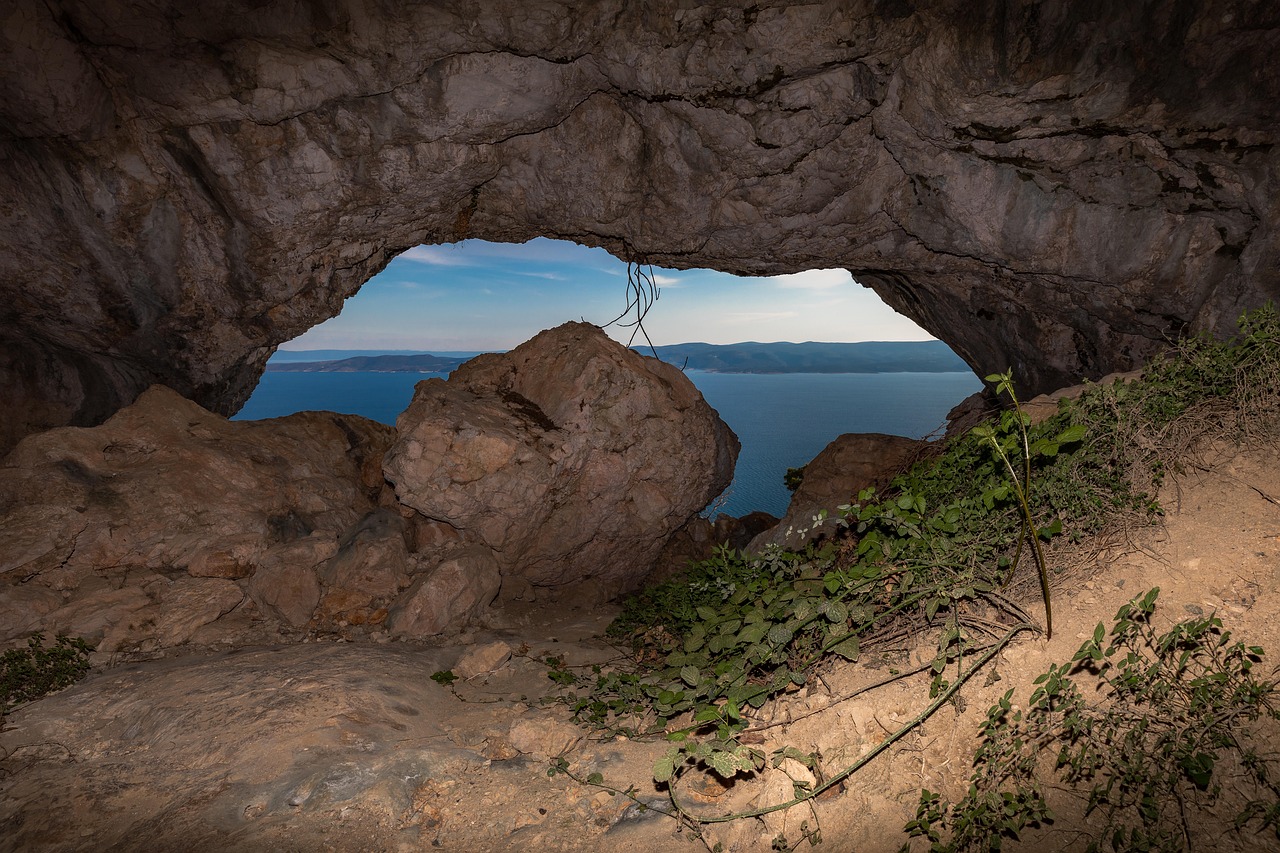
A common question asked when planning a European escape is, “Where exactly should I go in Croatia?” The Adriatic nation, with its shimmering coastline, ancient cities, and lush national parks, offers a dazzling array of choices. However, navigating the popular hotspots while also discovering its quieter, more authentic corners requires a strategic approach to ensure your 2026 trip delivers more than just postcard-perfect photos.
Key Takeaways
- Dubrovnik and Split are essential for first-time visitors seeking historical and coastal charm, but require strategic timing to avoid peak crowds.
- Croatia’s national parks, like Plitvice Lakes and Krka, offer breathtaking natural beauty and are best experienced early morning or late afternoon.
- For a deeper dive into island life, consider less-traveled islands such as Vis or the vineyards of Korčula, which provide a more relaxed pace.
- Istria, in the north, presents a distinct culinary and cultural experience, reminiscent of Tuscany with its hilltop towns and truffle hunting.
- Effective itinerary planning involves balancing popular sites with lesser-known destinations and using efficient inter-island transport.
Dubrovnik: The Pearl of the Adriatic
No list of the best places to visit in Croatia is complete without Dubrovnik. This UNESCO World Heritage site, famous for its impeccably preserved medieval walls, offers a captivating journey back in time. Walking the city walls provides unparalleled views of the terracotta rooftops, the azure Adriatic, and the bustling Old Town below. Beyond its iconic walls, Dubrovnik’s marble streets invite exploration of Baroque churches, charming cafes, and the Rector’s Palace. While often crowded, especially with cruise ship passengers, visiting early in the morning or late in the afternoon allows for a more intimate experience. For an authentic cultural immersion, consider attending one of the city’s many summer festivals. Practical Insight: To truly appreciate Dubrovnik’s unique character, dedicate at least two full days. Purchase tickets for the city walls and major attractions online in advance to save time. For stunning sunset views, take the cable car up Mount Srđ.
Split and the Dalmatian Coast: Ancient Wonders and Island Hopping
Split, Croatia’s second-largest city, serves as a dynamic hub for exploring the central Dalmatian Coast. Its heart is Diocletian’s Palace, a sprawling Roman emperor’s retirement palace that has evolved into a vibrant city center, with shops, restaurants, and homes nestled within its ancient walls. This living monument is a testament to the smooth blend of history and contemporary life. Split is also an ideal base for island hopping, offering frequent ferry connections to popular destinations like Hvar, Brač, and Korčula. The Riva promenade, lined with palm trees and cafes, is perfect for people-watching and soaking in the Mediterranean atmosphere.
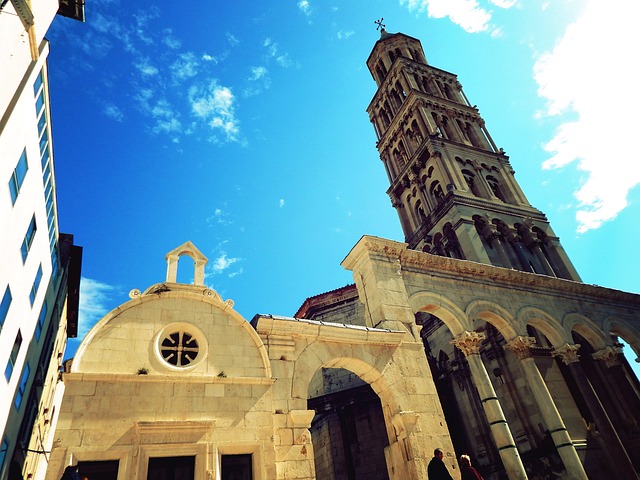
Practical Insight: Spend at least three days in Split to fully explore the palace, climb the cathedral bell tower for city views, and take a day trip to a nearby island. For surface-material comparisons, see on choosing between coastal cities.
Plitvice Lakes and Krka National Parks: Inland Natural Beauty
Stepping away from the coast, Croatia’s national parks offer breathtaking natural landscapes. Plitvice Lakes National Park, a UNESCO site, features a mesmerizing cascade of 16 terraced lakes interconnected by waterfalls, all set within a dense forest. Wooden walkways guide visitors through this pristine environment, making it one of the most visually stunning natural wonders and a top contender for the best places to visit in Croatia. Further south, Krka National Park offers a similar, though smaller, experience with its series of karst waterfalls, including the famous Skradinski Buk. While swimming was once permitted, current regulations, as of August 2026, prohibit swimming directly under the waterfalls to protect the delicate ecosystem, a change many visitors appreciate for preserving its beauty. The park also includes historic watermills and a monastery on Visovac Island. Practical Insight: Both parks require comfortable walking shoes. Visit Plitvice Lakes early in the morning or late afternoon to avoid the heaviest crowds. Krka is generally less demanding to navigate, making it a good option for families or those with less time.
Exploring Croatia’s Islands: Hvar, Korčula, Vis, and Beyond
Croatia boasts over a thousand islands, each with its distinct character. Hvar, often lauded as one of the best islands to visit in Croatia, is renowned for its vibrant nightlife, lavender fields, and historic Hvar Town. It attracts a lively crowd, especially during the summer months. For a more tranquil experience, consider Korčula, believed to be the birthplace of Marco Polo. This island offers charming medieval towns, lush vineyards producing excellent local wines, and secluded coves perfect for swimming. Vis Island, once a Yugoslav military base, remained largely undeveloped by tourism and retains an authentic, laid-back atmosphere, ideal for those seeking untouched nature and local charm. According to qz.com’s 2026 ranking, Vis often appears on lists for its unspoiled beauty and unique history.
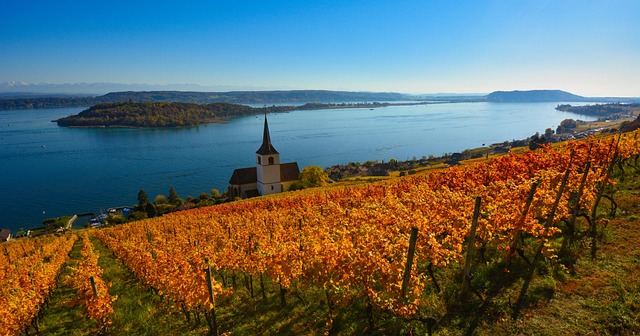
Practical Insight: Ferry services connect these islands, but routes and frequency vary. For a true escape, rent a scooter on Vis to explore its hidden beaches and fishing villages. Don’t overlook Mljet National Park, accessible from Dubrovnik, which offers serene salt lakes and an ancient monastery.
Zagreb: Croatia’s Vibrant Capital
While many flock to Croatia’s coast, the inland capital, Zagreb, offers a different, equally compelling experience. This Central European city blends Austro-Hungarian architecture with a lively street art scene and a thriving cafe culture. Its two main districts, the medieval Upper Town (Gornji Grad) and the bustling Lower Town (Donji Grad), are easily explored on foot. Zagreb is home to numerous museums, including the unique Museum of Broken Relationships, and a vibrant culinary scene that showcases traditional Croatian dishes alongside modern gastronomy. It provides a refreshing contrast to the coastal atmosphere and is increasingly recognized as one of the best places to visit in Croatia for cultural immersion. Practical Insight: Zagreb is a year-round destination, with Christmas markets drawing crowds in winter and numerous outdoor events in summer. Use the city’s efficient tram system for easy navigation between districts. A day trip to Plitvice Lakes is also feasible from Zagreb.
Istria: Culinary Delights and Hilltop Towns
Often compared to Tuscany, the heart-shaped Istrian peninsula in northern Croatia is a haven for foodies and culture enthusiasts. Its rolling hills are dotted with picturesque hilltop towns like Motovun and Grožnjan, known for their artistic communities and stunning views. The region is famed for its olive oil, truffles, and exquisite wines. Coastal towns like Rovinj and Pula offer Venetian-era architecture and Roman ruins, including Pula’s incredibly well-preserved amphitheater. Istria provides a distinct flavor of Croatia, offering a relaxed pace, gourmet experiences, and a rich history influenced by its Italian proximity. Practical Insight: Renting a car is highly recommended for exploring Istria’s charming towns and rural landscapes. Consider a truffle-hunting excursion for a truly unique culinary adventure. Many towns host local markets offering fresh produce and regional specialties.
Crafting Your Croatian Itinerary: Beyond the Mainstream
When planning your trip to the best places to visit in Croatia, consider balancing iconic sites with lesser-known gems. This approach, as highlighted by AFAR in August 2026, helps avoid the busiest tourist traps and offers a more authentic experience. Instead of just hopping between Dubrovnik and Split, integrate a few days on Vis or explore the villages of the Istrian interior. For instance, after experiencing the energy of Split, take a ferry to the island of Brač for its famous Zlatni Rat beach, then continue to the quieter, pine-forested island of Mljet for hiking and cycling. Best places to visit in croatia allows for a blend of vibrant coastal life and serene natural retreats. Always check ferry schedules and book accommodations in advance, especially during peak season. Practical Insight: Think thematically. Do you want a pure beach holiday, a historical deep dive, or a culinary tour? Tailoring your itinerary to a specific interest will guide your choices and make for a more cohesive and enjoyable trip.
Navigating Croatia: Transport and Local Insights
Getting around Croatia can be an adventure in itself. Inter-city buses are efficient and connect most major towns and cities, while ferries and catamarans are essential for island hopping. Renting a car provides the most flexibility, especially for exploring regions like Istria or the interior of the Dalmatian coast, but parking can be challenging and expensive in popular Old Town areas. Local insights can transform a good trip into a great one. Don’t hesitate to ask locals for restaurant recommendations or hidden spots. Learning a few basic Croatian phrases, such as ‘Dobar dan’ (Good day) or ‘Hvala’ (Thank you), can go a long way in connecting with residents and enriching your experience.
| Travel Style | Best Base | Key Attractions | Ideal Duration | Drawbacks |
|---|---|---|---|---|
| Coastal Adventure | Split or Hvar | Island hopping, beaches, sailing, nightlife | 5-7 days | Can be crowded and expensive in peak season |
| Cultural Immersion | Dubrovnik or Zagreb | Ancient ruins, museums, historical walking tours, local markets | 4-6 days | Less emphasis on beaches; Dubrovnik can be very touristy |
| Nature Escape | Near Plitvice or Krka | National parks, hiking, waterfalls, kayaking | 3-5 days | Limited nightlife/dining options; requires travel from major hubs |
| Culinary Journey | Rovinj (Istria) or Korčula | Truffle hunting, wine tasting, olive oil tours, farm-to-table dining | 4-6 days | May require car rental; less focus on iconic landmarks |
Common Travel Pitfalls to Avoid
Even in a country as welcoming as Croatia, some common mistakes can detract from your experience. One major pitfall is underestimating the summer crowds, especially in July and August. Popular spots like Dubrovnik and Plitvice Lakes can become extremely busy, leading to long queues and higher prices. Another mistake is relying solely on credit cards; while widely accepted, having some local currency (Euros, as of January 2023) for smaller purchases or remote areas is always wise. Pros & Cons: Popular Destinations vs. Hidden Gems
Pros
- Popular: Iconic sights, solid infrastructure, wide range of dining/accommodation, easy access.
- Hidden Gems: Authentic local experience, fewer crowds, often more affordable, untouched nature.
Cons
- Popular: Overcrowding, higher prices, less genuine interactions, can feel rushed.
- Hidden Gems: Limited transport, fewer amenities, potentially slower service, less English spoken.
Expert Tips for an Unforgettable Croatian Journey
To truly make the most of your trip to the best places to visit in Croatia, consider these expert insights. Travel during the shoulder seasons—May, June, September, and early October—for pleasant weather, fewer crowds, and often better prices. Best places to visit in croatia allows for a more relaxed pace and better photo opportunities. According to Condé Nast Traveller Middle East (August 2026), these months are ideal for discovering islands without the peak season rush. Embrace the local pace of life, especially on the islands. ‘Pomalo,’ a Croatian word meaning ‘take it easy’ or ‘slow down,’ perfectly encapsulates the relaxed Mediterranean mindset. Don’t overschedule your days; allow for spontaneous detours, long coffee breaks, and leisurely meals. This approach often leads to the most memorable discoveries, like a hidden konoba (traditional tavern) serving exceptional local seafood. Finally, engage with local culture beyond the main tourist offerings. Seek out local markets, try regional specialties like ‘peka’ (slow-cooked meat or seafood) or ‘pašticada’ (Dalmatian beef stew), and explore local arts and crafts. For a taste of Croatia’s vibrant arts and culture scene, see Bellwether Studio City: Defining Luxury Urban Living on European city living.
Frequently Asked Questions
What is the best time of year to visit Croatia?
The best time to visit Croatia is during the shoulder seasons: May, June, September, and early October. These months offer pleasant weather, fewer tourists, and more favorable prices for accommodations and activities, allowing for a more enjoyable exploration of the country’s diverse attractions.
Is Croatia expensive for tourists?
Croatia can range from moderately priced to expensive, depending on your travel style and the season. Popular coastal cities like Dubrovnik and Hvar are generally pricier, especially in peak summer. Traveling in the shoulder season, utilizing public transport, and dining at local eateries can help manage costs effectively.
How many days are ideal for a Croatia trip?
For a complete experience covering a few key regions and islands, a 7-to-10-day trip is ideal. Best places to visit in croatia allows sufficient time to explore major cities, visit national parks, and enjoy some island hopping without feeling rushed. Shorter trips might focus on one region, like the Dalmatian Coast or Istria.
What are some hidden gems in Croatia?
Beyond the popular spots, hidden gems in Croatia include the island of Vis for its untouched nature, the charming hilltop towns of Istria like Grožnjan and Motovun, the remote Lastovo archipelago, and the historical town of Trogir near Split. These offer authentic experiences away from the main tourist trails.
Do I need a car to get around Croatia?
While a car offers flexibility, it’s not strictly necessary. Major cities and islands are well-connected by buses and ferries. A car is most beneficial for exploring rural areas, such as Istria or the interior of the Dalmatian coast, where public transport might be less frequent.
What currency does Croatia use in 2026?
As of January 1, 2023, Croatia officially adopted the Euro (€) as its currency. Visitors in 2026 should plan to use Euros for all transactions. Credit and debit cards are widely accepted in most establishments, but having some cash for smaller vendors or more remote locations is advisable.
Conclusion: Your Croatian Adventure Awaits
Choosing the best places to visit in Croatia truly depends on your personal preferences, but with a thoughtful approach, you can craft an itinerary that balances iconic landmarks with authentic local experiences. Whether you’re drawn to the ancient allure of Dubrovnik, the vibrant energy of Split, the serene beauty of Plitvice Lakes, or the culinary delights of Istria, Croatia promises an unforgettable journey. Plan wisely, embrace the ‘pomalo’ spirit, and prepare to be captivated by the magic of the Adriatic. Information current as of August 2026; pricing and product details may change.




Travel & Day Trips
Your Guide to Things to Do in Los Angeles
Planning a trip and wondering about things to do in Los Angeles? This guide moves past the obvious, offering unique insights and practical tips for an authentic L.A. adventure.

You’ve seen the movies, heard the songs, and perhaps scrolled through countless ‘best of’ lists. But when it comes to truly experiencing Los Angeles, the real magic happens when you move beyond the surface. A common question asked is how to genuinely connect with the city’s diverse spirit, rather than just ticking off tourist boxes. The answer lies in strategic planning and an open mind, transforming your visit into a deep dive into L.A.’s unique identity.
- Los Angeles is best explored by focusing on distinct neighborhoods to minimize travel time and maximize immersion.
- Embrace both iconic landmarks like Griffith Observatory and lesser-known cultural institutions for a balanced view.
- Public transportation, ride-sharing, and even walking within concentrated areas can reduce reliance on renting a car.
- The city’s culinary scene extends far beyond upscale dining, offering incredible street food and diverse ethnic cuisines.
- Booking experiences, especially popular museum tickets or studio tours, well in advance is crucial to secure your spot.
Navigating the Sprawl: Strategic Planning for L.A. Exploration
Los Angeles is vast, a sprawling metropolis that often intimidates first-time visitors with its sheer size and infamous traffic. The key to enjoying the many things to do in Los Angeles is to think of it not as one city, but as a collection of distinct neighborhoods, each with its own character and attractions. Grouping your activities by geographical area significantly cuts down on travel time, allowing for deeper exploration. For instance, dedicating a day to West Hollywood and Beverly Hills means you can leisurely explore luxury shopping on Rodeo Drive, visit the Academy Museum of Motion Pictures, and enjoy a meal without spending hours in transit between destinations. This approach makes L.A. feel more manageable, even for those accustomed to New York’s efficient grid.

Beyond Hollywood: Immersive Arts & Culture
While Hollywood’s Walk of Fame and studio tours are iconic, L.A.’s cultural scene extends far beyond the silver screen. The city boasts world-class museums, vibrant gallery districts, and a thriving performing arts community that rivals any major global city. Exploring these facets offers a richer understanding of Los Angeles’s creative heart. Consider the Getty Center, an architectural marvel housing pre-20th-century European art, or the Los Angeles County Museum of Art (LACMA) with its diverse collections and the iconic ‘Urban Light’ installation. Entry to the Getty Center is free, though parking is around $20 as of August 2026. For those interested in contemporary art, the Broad Museum in Downtown L.A. offers free general admission, a significant value for such a prominent institution. Beyond traditional museums, L.A. has a dynamic street art scene, particularly in areas like the Arts District downtown and along Abbot Kinney Boulevard in Venice. Take a walking tour to discover murals and installations that tell the city’s story. For a more structured experience, the Music Center hosts a variety of performing arts, from opera to dance, providing a different kind of cultural immersion.
Culinary Journeys: From Street Food to Michelin Stars
Los Angeles is a global culinary powerhouse, a true melting pot of flavors. The city’s food scene is incredibly diverse, offering everything from humble food trucks to internationally acclaimed fine dining establishments. Don’t limit your gastronomic exploration to just the famous restaurants; some of L.A.’s most authentic flavors are found in unexpected places. Grand Central Market, located in Downtown L.A., exemplifies this diversity, featuring dozens of vendors offering everything from pupusas to gourmet grilled cheese. According to Time Out Los Angeles (2026), you can find a satisfying meal there for around $10-$20. For a deep dive into the city’s culinary landscape, explore the vibrant Koreatown for Korean BBQ, or the San Gabriel Valley for authentic Chinese and Vietnamese cuisine. For those seeking elevated experiences, L.A. boasts numerous Michelin-starred restaurants, with tasting menus often starting around $150-$250 per person.
Outdoor Adventures: Beaches, Hikes, and Urban Escapes
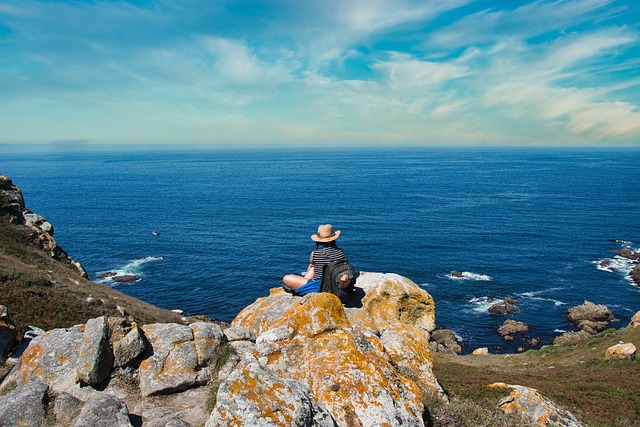
With its Mediterranean climate, Los Angeles encourages an active, outdoor lifestyle. From stunning Pacific coastlines to rugged canyon trails, there’s no shortage of things to do that involve fresh air and scenic views. This outdoor access is a defining characteristic of L.A. life. Griffith Observatory, a must-visit, not only offers incredible views of the city skyline, the Hollywood Sign, and the Pacific Ocean but also provides access to numerous hiking trails in Griffith Park. Parking at the Observatory can range from $10-$25, depending on the day and time, as noted by Discover Los Angeles (2026). For beach lovers, Santa Monica Pier offers classic amusement park fun, while Malibu provides a more serene, upscale beach experience. Venice Beach is famous for its eclectic boardwalk and vibrant street performers. For a different perspective, consider a hike in Runyon Canyon Park for panoramic views, or explore the botanical gardens at Descanso Gardens or the Huntington Library, Art Museum, and Botanical Gardens for tranquil urban escapes.
Hidden Gems & Local Haunts: Discovering Authentic L.A.
To truly experience Los Angeles, seek out the places locals frequent and the less-advertised attractions. These hidden gems offer a more authentic and often more intimate look at the city’s character. It’s in these spots that L.A.’s true personality shines through. One such gem is the Last Bookstore in Downtown L.A., a visually stunning independent bookstore known for its unique art installations made from books. Another is the Exposition Park Rose Garden, a tranquil oasis perfect for an afternoon stroll. For a taste of old Hollywood, visit the Egyptian Theatre or the New Beverly Cinema, which often screens classic films. These venues offer a nostalgic alternative to modern multiplexes, a focus area for our article on. Exploring L.A.’s diverse neighborhoods, like Silver Lake for its indie boutiques and coffee shops, or Highland Park for its burgeoning arts scene and vintage stores, reveals the city’s vibrant subcultures. Each area provides a unique flavor that’s distinct from the more famous tourist corridors.
Crafting Your L.A. Itinerary: A Strategic Approach
Creating an effective itinerary for Los Angeles is less about cramming in as many sights as possible and more about thoughtful planning. Given the city’s scale, a strategic approach ensures you spend more time experiencing and less time commuting.
- Identify Your Interests: Are you an art enthusiast, a beach bum, a food critic, or a movie buff? Prioritize the types of things to do in Los Angeles that genuinely excite you.
- Map Your Neighborhoods: Group attractions geographically. For example, combine Santa Monica Pier, Venice Beach, and a drive along the Pacific Coast Highway into one day. Or link Downtown L.A. museums (The Broad, MOCA), Grand Central Market, and the Arts District.
- Factor in Travel Time: Always overestimate travel time, especially during peak hours (7-10 AM and 3-7 PM on weekdays). Use real-time traffic apps like Google Maps or Waze for accurate predictions.
- Book in Advance: For popular attractions like Universal Studios Hollywood (tickets can be $109-$150+), studio tours, or specific museum exhibitions, booking online weeks or even months ahead is essential to secure your spot and often saves money.
- Consider a City Pass: If you plan to visit multiple major attractions, a Los Angeles city pass might offer savings. Compare the cost of individual tickets against the pass for your chosen activities.
| Transportation Option | Pros | Cons | Estimated Daily Cost (August 2026) |
|---|---|---|---|
| Rental Car | Ultimate flexibility, ideal for wide-ranging exploration | Expensive parking (~$20-40/day), traffic stress, rental fees ($40-80+/day) | $60 – $150+ |
| Ride-Sharing (Uber/Lyft) | Convenient door-to-door, avoids parking hassle, no rental car fees | Can be expensive for long distances or surge pricing, less spontaneous | $50 – $120+ |
| L.A. Metro (Bus/Rail) | Cost-effective, avoids traffic for rail, good for concentrated areas | Coverage gaps, less flexible, requires planning routes | $7 – $20 (daily/weekly pass) |
| Biking/Scooters | Eco-friendly, great for short distances in flat areas (e.g., beach paths) | Limited range, safety concerns on busy roads, weather dependent | $15 – $30 (rental) |
Pros of Exploring Los Angeles
- Diverse Cultural Experiences: From Hollywood glamour to ethnic enclaves, L.A. offers a rich mix of cultures.
- World-Class Dining: A culinary paradise with options for every palate and budget.
- Abundant Outdoor Activities: Beaches, mountains, and parks provide endless opportunities for recreation.
- Year-Round Good Weather: Enjoy sunshine and mild temperatures for most of the year.
- Innovative Arts Scene: latest galleries, museums, and performance venues are constantly evolving.
Cons of Exploring Los Angeles
- Significant Traffic: Navigating the city can be time-consuming due to heavy congestion.
- Sprawling Layout: Distances between attractions can be considerable, requiring careful planning.
- High Cost of Living/Travel: Accommodation, transportation, and some activities can be expensive.
- Parking Challenges: Finding and paying for parking, especially in popular areas, can be frustrating.
- Homelessness: Visible homelessness, particularly in certain urban areas, can be confronting for visitors.
Common Mistakes to Avoid When Visiting L.A.
Even seasoned travelers can fall into common traps when visiting Los Angeles. Avoiding these pitfalls can significantly enhance your experience and help you maximize your time enjoying all the things to do in Los Angeles. One frequent error is underestimating the city’s sheer size and the impact of traffic. Simply glancing at a map doesn’t convey the 90-minute drive between Santa Monica and Pasadena during rush hour. Always check real-time traffic before heading out. Another mistake is relying solely on ride-sharing. While convenient, costs can quickly escalate, especially with surge pricing or long distances. Integrating the L.A. Metro for specific routes can provide a more economical and sometimes faster alternative. Finally, many visitors fail to book popular attractions in advance, leading to sold-out tours or long queues. For example, tours of Warner Bros. Studio Hollywood often sell out weeks ahead, with tickets typically costing around $70.
Expert Tips for an Unforgettable Trip
To truly make the most of your Los Angeles adventure, adopt a mindset that balances spontaneity with smart planning. These insights, gathered from years of navigating the city, will help you uncover the best of L.A.
“What many visitors overlook is that L.A.’s public transportation system, particularly the rail lines, can be incredibly efficient for specific routes. For example, the Metro B Line (Red) connects Downtown L.A. to Hollywood and Universal City, offering a stress-free way to hit key tourist spots without battling traffic.”
Consider purchasing a TAP card for smooth travel on the L.A. Metro system; a day pass is typically around $7. This strategy is particularly effective when exploring concentrated areas like Downtown L.A., Hollywood, or Santa Monica, where you can then walk or use ride-sharing for shorter distances. Don’t be afraid to venture into lesser-known neighborhoods. While the beach cities offer coastal charm, areas like Los Feliz or Echo Park provide a glimpse into L.A.’s vibrant local culture, with unique shops, eateries, and a more relaxed pace. For surface-material comparisons on where to find the best local spots, see Portland’s Coffee Comeback: Finding the Best Cafes in the Rose City. Embrace the unexpected. L.A. is a city of constant events, from farmers’ markets and street festivals to free concerts in the park. Check local listings upon arrival for spontaneous opportunities. Also, make sure to look up. Los Angeles architecture is incredibly diverse, from Art Deco masterpieces downtown to mid-century modern homes in the hills. These architectural details are part of the city’s rich narrative. Remember that L.A. is a city of microclimates. Dress in layers, as coastal areas can be cool and foggy in the mornings, while inland valleys might be significantly warmer. Always carry water, especially if you plan on hiking or spending extended time outdoors.
Frequently Asked Questions
What are the absolute must-do things for a first-time visitor to Los Angeles?
For a first-timer, iconic things to do in Los Angeles include visiting Griffith Observatory for city views, exploring the Hollywood Walk of Fame, experiencing Santa Monica Pier, and taking a studio tour (like Universal Studios Hollywood or Warner Bros.). Balance these with a cultural stop at The Getty Center or LACMA for a well-rounded introduction to the city’s diverse offerings.
Is Los Angeles walkable, or do I need a car to get around?
While some neighborhoods like Santa Monica, West Hollywood, or parts of Downtown L.A. are walkable, the city as a whole is not. Its sprawling nature means a car or a combination of ride-sharing and public transit is essential for accessing most things to do in Los Angeles. The L.A. Metro system is expanding and can be efficient for specific routes.
What’s the best time of year to visit Los Angeles for good weather and fewer crowds?
The shoulder seasons, April to May and September to October, generally offer the best balance of pleasant weather and lighter crowds. Summers (June-August) are warm and bustling, especially at beaches and theme parks. Winters are mild but can bring more rain, though it’s still a popular time for cultural events.
Are there family-friendly things to do in Los Angeles beyond theme parks?
Absolutely. Beyond Universal Studios and Disneyland (a day trip away), families can enjoy the California Science Center (home to the Space Shuttle Endeavor), the Natural History Museum of Los Angeles County, the Santa Monica Pier Aquarium, and the La Brea Tar Pits. Griffith Park also offers a planetarium, zoo, and plenty of open space for kids.
How can I experience L.A.’s famous nightlife?
L.A.’s nightlife is diverse. For celebrity spotting and upscale clubs, head to West Hollywood’s Sunset Strip. Downtown L.A. offers a vibrant bar scene with speakeasies and rooftop lounges. For live music, explore venues in Hollywood or Echo Park. Always check event listings for current happenings, as the scene is constantly evolving.
What are some free things to do in Los Angeles?
Many fantastic things to do in Los Angeles are free. Enjoy the beaches (Venice, Santa Monica), hike in Griffith Park or Runyon Canyon, visit The Getty Center and The Broad Museum (general admission), explore the Hollywood Walk of Fame, or stroll through the Exposition Park Rose Garden. Window shopping on Rodeo Drive is also a classic, free L.A. experience.
What’s the best way to see the Hollywood Sign up close?
The Hollywood Sign is best viewed from Griffith Observatory or from specific hiking trails in Griffith Park, such as the Mt. Hollywood Trail or the Brush Canyon Trail. Remember, attempting to get too close is prohibited and can result in fines, as the area around the sign is protected private property.
Conclusion
Los Angeles is a city of endless possibilities, offering a kaleidoscope of experiences for every type of traveler. By approaching your visit with a strategic mindset, focusing on neighborhood exploration, and embracing both its iconic landmarks and its hidden gems, you can unlock an authentic and unforgettable L.A. adventure. Don’t just visit Los Angeles; truly immerse yourself in its unique rhythm and vibrant culture. Information current as of August 2026; pricing and product details may change.




Travel & Day Trips
Beyond the Postcard: Experiencing the World’s Most Beautiful Mountains
Beautiful mountains offer an unparalleled escape from the everyday, drawing millions with their majestic vistas and serene wilderness. This guide helps you navigate these natural wonders, offering practical tips for planning your next unforgettable alpine adventure.

Key Takeaways
- Mountain beauty extends beyond height, encompassing geology, ecology, and cultural significance.
- Experience mountains through diverse activities, from easy scenic drives to strenuous multi-day treks.
- Prioritize safety with proper gear, weather checks, and acclimatization, especially at higher altitudes.
- Practice responsible tourism to protect fragile mountain ecosystems and support local communities.
- Planning ahead for logistics like permits, lodging, and transportation is crucial for a smooth trip.
The Timeless Allure of Beautiful Mountains: Why They Captivate Us
There’s a fundamental draw to mountains, a primal connection that stirs the soul. Whether it’s their sheer scale, the challenge they present, or the profound quietude found in their high reaches, these natural monuments offer a stark contrast to urban life. This connection is not merely aesthetic; it’s often spiritual and deeply personal. From the early explorers seeking new horizons to modern trekkers chasing a sense of accomplishment, mountains have always been symbols of transcendence. They inspire awe, humility, and a renewed appreciation for the raw power of nature. This profound impact is a core reason why so many seek out these majestic landscapes. In my years exploring alpine environments, I’ve consistently observed that the sense of detachment from everyday concerns is almost immediate upon entering these grand spaces. The vastness puts daily worries into perspective, offering a unique form of mental reset.
Defining Mountain Beauty: More Than Just Height
What makes a mountain truly beautiful isn’t simply its elevation. It’s a complex interplay of geological history, ecological diversity, and cultural significance. Jagged, snow-capped peaks might embody dramatic grandeur, while verdant, forest-covered slopes offer a gentler, more serene appeal. Volcanic mountains, with their conical symmetry, present a distinct aesthetic, often framed by unique flora and hot springs. Ancient, rounded mountain ranges, worn down by millennia of erosion, tell tales of deep time and stability. Each type offers a unique visual and experiential narrative. For instance, the vibrant, multi-hued sedimentary layers of Peru’s Vinicunca, or Rainbow Mountain, showcase a beauty derived from mineral deposits rather than just elevation or ice. This geological spectacle attracts visitors who are drawn to its unique coloration as much as its altitude.
Iconic Beautiful Mountains Worldwide: A Curated Selection
When considering beautiful mountains, certain peaks universally stand out for their striking appearance and the experiences they offer. These range from the easily accessible to the truly challenging, catering to various levels of adventure. The Matterhorn, straddling Switzerland and Italy, is perhaps the quintessential alpine peak with its distinct pyramidal shape. It’s a climber’s dream and a photographer’s muse, surrounded by charming villages like Zermatt offering luxurious access and stunning views from gondolas.

Iceland’s Kirkjufell, or ‘Church Mountain,’ is another captivating example, known for its distinct arrowhead shape and often photographed with the Northern Lights. Its beauty lies in its unique geological form and coastal setting, making it a popular spot for scenic drives and short hikes. Mount Fuji, Japan’s highest peak, is revered for its symmetrical cone and cultural significance. It’s an active stratovolcano visible from Tokyo on clear days, offering breathtaking views, especially during cherry blossom season or with autumn foliage. Many choose to hike it during the official climbing season, typically from July to early September. Further south, the Paine Massif in Chile, part of Torres del Paine National Park, showcases dramatic granite spires and turquoise lakes. It’s a mecca for trekkers, with multi-day routes like the ‘W’ and ‘O’ circuits providing unparalleled immersion in a rugged wilderness. According to National Geographic (2025), Torres del Paine remains one of the top trekking destinations globally, attracting over 250,000 visitors annually.
Experiencing Mountains Your Way: From Scenic Drives to Summit Treks
The beauty of mountains is that they can be enjoyed in many ways, accommodating different fitness levels and preferences. You don’t need to be an expert climber to appreciate their grandeur. For those seeking relaxed immersion, scenic drives offer unparalleled access to stunning vistas. Roads like the Going-to-the-Sun Road in Glacier National Park or the Icefields Parkway in the Canadian Rockies provide panoramic viewpoints and opportunities for short, accessible walks. These routes are perfect for capturing breathtaking photographs and enjoying nature without strenuous exertion. Day hiking is another popular option, allowing for deeper exploration. Trails range from gentle, well-maintained paths suitable for families to more challenging routes with significant elevation gain. Always research trail conditions and choose a path appropriate for your experience level. For the truly adventurous, multi-day trekking and mountaineering offer the ultimate challenge and reward. This requires extensive planning, specialized gear, and often, guided expeditions. Peaks like Kilimanjaro in Tanzania or the Annapurna Circuit in Nepal are prime examples of destinations for such endeavors, demanding both physical and mental resilience.
Planning Your Mountain Adventure: Essential Preparations
A successful and enjoyable mountain trip hinges on thorough preparation. This involves understanding the environment, securing necessary permits, and packing appropriate gear. First, research the specific mountain or region you plan to visit. Understand its climate, weather patterns, and any seasonal closures. Many high-altitude areas have narrow windows for safe travel, often between June and September in the Northern Hemisphere, or December to March in the Southern Hemisphere. Gear is paramount for safety and comfort. Essential items include layered clothing (moisture-wicking base layers, insulating mid-layers, waterproof outer shells), sturdy hiking boots, navigation tools (map, compass, GPS device), a first-aid kit, ample water, and high-energy snacks. For higher altitudes, specialized equipment like ice axes, crampons, or ropes may be required. Permits are often necessary, especially in national parks or protected wilderness areas. For instance, accessing certain parts of the Himalayas or Patagonia requires advance booking and permits, which can cost anywhere from $100 to $1,500 depending on the duration and exclusivity of the trek. Always check official park or regional tourism websites well in advance of your trip.
Responsible Tourism in Mountain Regions: Protecting Pristine Landscapes
The increasing popularity of mountain travel brings with it a responsibility to protect these fragile ecosystems. Practicing responsible tourism ensures these beautiful landscapes remain unspoiled for future generations. Adhere to the ‘Leave No Trace’ principles: plan ahead and prepare, travel and camp on durable surfaces, dispose of waste properly, leave what you find, minimize campfire impacts, respect wildlife, and be considerate of other visitors. This includes packing out all trash, human waste, and food scraps. Support local economies by choosing locally owned accommodations, restaurants, and guides. This helps ensure that the economic benefits of tourism directly support the communities that live within and around these mountain regions. According to the International Climbing and Mountaineering Federation (UIAA) (2024), sustainable tourism practices are vital for mitigating the environmental impact of increased visitor numbers. Be mindful of cultural sensitivities, especially when visiting indigenous communities or sacred sites. Learn about local customs and traditions, and always ask for permission before taking photographs of people.
Common Pitfalls of Mountain Travel and How to Avoid Them
Even with careful planning, mountain travel presents unique challenges. Being aware of common mistakes can significantly enhance safety and enjoyment. A frequent error is underestimating weather changes. Mountain weather can shift rapidly and dramatically, turning a sunny day into a blizzard within hours. Always check multiple forecasts, pack for all conditions, and be prepared to turn back if conditions deteriorate. Many fatalities occur due to unexpected cold or storms. Another pitfall is inadequate hydration and nutrition. High altitudes and strenuous activity demand more water and calories. Dehydration can exacerbate altitude sickness and impair judgment. Carry more water than you think you’ll need and snack frequently on energy-dense foods. Finally, ignoring the symptoms of altitude sickness is a serious mistake. Headaches, nausea, and dizziness are early signs. If symptoms worsen, descend immediately. Acclimatization is key: ascend gradually and allow your body time to adjust to lower oxygen levels. For trips above 8,000 feet (approximately 2,400 meters), consider spending a day or two at an intermediate elevation.
Expert Tips for Unforgettable Mountain Visits
Beyond the basics, a few expert insights can transform a good mountain trip into an extraordinary one. These often come from firsthand experience in diverse alpine settings. Consider visiting during the shoulder seasons—spring or autumn—when crowds are thinner, and the scenery often boasts unique colors. While weather can be more unpredictable, the tranquility and photographic opportunities can be unparalleled. Just ensure you are prepared for cooler temperatures and potential snow. Engage with local guides, even for seemingly straightforward hikes. Their knowledge of terrain, wildlife, and local history adds immense depth to the experience, often revealing hidden gems or safer routes. This also contributes directly to the local economy, fostering a more sustainable tourism model. Don’t be afraid to slow down. Many visitors rush to tick off summits, missing the subtle beauty of alpine meadows, the intricate details of rock formations, or the unique calls of mountain birds. Taking time for reflection and observation enriches the entire journey.

Frequently Asked Questions
What makes a mountain considered ‘beautiful’?
Mountain beauty is subjective but often encompasses striking geological features, dramatic scale, diverse ecosystems, and cultural significance. Factors like sharp peaks, lush forests, glacial lakes, and unique rock formations contribute to their aesthetic appeal.
Are beautiful mountains always difficult to access?
No, many beautiful mountains are easily accessible via scenic drives, cable cars, or well-maintained hiking trails suitable for various fitness levels. While some require challenging treks, others offer stunning views with minimal effort.
What is the best time of year to visit mountains for scenic views?
This depends on the region and desired experience. Summer generally offers the best hiking conditions and lush greenery. Autumn provides stunning foliage, while winter brings snow-capped beauty for skiing or snowshoeing. Always check local conditions.
How can I stay safe while exploring mountains?
Prioritize safety by checking weather forecasts, carrying appropriate gear, informing someone of your itinerary, and understanding your physical limits. Be aware of altitude sickness symptoms and pack sufficient water and emergency supplies.
What are some lesser-known beautiful mountain ranges to consider?
Beyond popular choices, explore the Dolomites in Italy for their unique rock formations, the Drakensberg Mountains in South Africa for dramatic basalt cliffs, or the Caucasus Mountains for rugged, untamed beauty. Each offers distinct scenic rewards.
Conclusion
The call of beautiful mountains is a powerful one, inviting us to step away from the mundane and immerse ourselves in nature’s most magnificent creations. From the iconic Matterhorn to the culturally rich Mount Fuji, these peaks offer more than just stunning vistas—they provide opportunities for adventure, reflection, and a deeper connection to our planet. By planning thoughtfully and traveling responsibly, you can ensure your journey into these alpine realms is not only unforgettable but also contributes to their preservation. Information current as of August 2026.




Where Was The Pitt Filmed? Unpacking Pittsburgh’s Starring Role

Croatia’s Top Destinations: Beyond the Postcard

Your Guide to Things to Do in Los Angeles

Sonny’s Kitchen Barnes: A London Gem for NYC Foodies

Hannah Pham: The Unseen Architect Behind the Spotlight

Finding Your Perfect Bowl: Ramen Near Me in NYC’s East End
-
 City Living2 weeks ago
Hannah Pham: The Unseen Architect Behind the Spotlight
-
 Food & Restaurants3 weeks ago
Sonny’s Kitchen Barnes: A London Gem for NYC Foodies
-
 Food & Restaurants3 weeks ago
Finding Your Perfect Bowl: Ramen Near Me in NYC’s East End
-

 Food & Restaurants3 weeks ago
North End Grill Battery Park: Reimagining Dining After
-

 Travel & Day Trips3 weeks ago
Tour a Canaima: Journey to Angel Falls
-

 Food & Restaurants3 weeks ago
Chinatown NYC: Your Guide to Unforgettable Eats
-

 Food & Restaurants3 weeks ago
Fat Hen South Carolina: Remembering Johns Island’s Culinary Icon
-

 Travel & Day Trips3 weeks ago
Kolymbithres Beach: Paros’ Sculpted Aegean Gem