
Food & Restaurants
Finding Your ‘Bedste Cafe’: NYC’s Top Coffee Experiences
Finding the ‘bedste cafe’ in NYC is about discovering more than just a drink; it’s about the entire experience. This guide delves into what truly makes a coffee shop exceptional, helping you navigate New York City’s vibrant cafe scene.


Sarah, a freelance writer in the East Village, often found herself cycling through the same three coffee shops, each one feeling just ‘good enough’ but never truly inspiring. The problem wasn’t a lack of options; NYC is saturated with cafés. It was knowing how to distinguish a truly exceptional, or ‘bedste,’ café from the merely acceptable. For those who appreciate quality and experience, just finding ‘coffee’ isn’t enough.
Key Takeaways
- The ‘bedste café’ prioritizes exceptional coffee craft, unique atmosphere, and a strong sense of community.
- NYC’s café scene has evolved from utilitarian to a cultural hub, blending local charm with global trends.
- Focus on bean sourcing, barista expertise, and distinct interior design when evaluating a café’s quality.
- Discovering your personal ‘bedste café’ involves active exploration and attention to detail beyond mere popularity.
- Avoid common mistakes like judging solely on price or overlooking the importance of staff engagement.
What Truly Defines a ‘Bedste Café’?
The term ‘bedste café’ translates from Danish as ‘best café,’ and in New York City, it signifies a destination that transcends a simple coffee transaction. It’s a place where the craft of coffee making is revered, the atmosphere is thoughtfully curated, and a genuine sense of community thrives. It’s about finding that rare blend of superior quality, distinctive character, and welcoming energy. For many, a ‘bedste café’ offers an escape, a creative workspace, or a gathering point. It’s not just about the caffeine; it’s about the ritual, the aesthetics, and the people. These establishments often become anchors in their neighborhoods, reflecting the local culture while offering an elevated experience. Beyond that, a truly ‘bedste café’ consistently delivers. This means not only exceptional coffee but also a curated selection of pastries, light bites, or even a small, thoughtful retail offering. Every element contributes to the overall perception of quality and the lasting impression it leaves on patrons.
The Evolution of NYC’s Café Culture
New York City’s relationship with coffee has always been dynamic, shifting from the utilitarian diner cup of the mid-20th century to the sophisticated ‘third-wave’ coffee scene of today. This evolution reflects a growing consumer appreciation for quality, transparency, and the origin of their brew. The current landscape is rich with artisanal coffee shops that focus on single-origin beans, precise brewing methods, and highly skilled baristas. In the early 2000s, chains dominated, but the past decade has seen a resurgence of independent roasters and cafés. These establishments often prioritize direct-trade relationships with coffee farmers, ensuring fair compensation and sustainable practices. This commitment to ethical sourcing not only improves the coffee’s quality but also deepens the connection between consumer and producer. This shift has transformed cafés from mere pit stops into cultural institutions. They host art exhibits, live music, and community events, becoming vital social hubs. This complete approach to café culture is a defining characteristic of what makes a place a ‘bedste café’ in the modern era.
Crafting the Perfect Cup: Beans, Brews, and Baristas
At the heart of any ‘bedste café’ is, naturally, the coffee itself. This begins with the beans. Top-tier cafés meticulously source their beans, often from specific farms or regions known for their quality, like Ethiopia’s Yirgacheffe or Colombia’s Huila. They might offer a range of roasts, from light and fruit-forward to dark and rich, catering to diverse palates. The expertise of the barista is equally crucial. A skilled barista understands the nuances of extraction, grind size, water temperature, and milk texturing. They can identify and correct issues in real-time, ensuring consistency and excellence with every cup. A poorly trained barista, even with the best beans and equipment, can undermine the entire experience. The equipment plays a significant role. High-quality espresso machines, like those from La Morocco or Synesso, and precision grinders are standard in ‘bedste’ establishments. These tools, combined with a barista’s craft, ensure that each espresso shot is perfectly balanced and each latte exhibits exquisite latte art. According to a 2026 report by the Specialty Coffee Association, consistency in preparation is a leading factor in customer loyalty for premium cafés.
Ambiance and Community: The Soul of a Café
Beyond the coffee, the ‘bedste café’ offers an inviting ambiance and fosters a sense of community. This is achieved through thoughtful interior design, comfortable seating, appropriate lighting, and a carefully curated soundtrack. Some cafés opt for a minimalist, modern aesthetic, while others embrace a cozy, vintage feel. The goal is always to create a space where patrons feel welcome and can linger. The staff’s interaction with customers also shapes the community feel. Friendly, knowledgeable baristas who remember your order or engage in pleasant conversation contribute significantly to the overall experience. This human element transforms a transactional space into a social one, encouraging repeat visits and fostering loyalty. Consider cafés like Devotionn in Williamsburg, with its soaring ceilings and on-site roasting, or Little Collins in Midtown East, which offers a bright, intimate space reminiscent of Australian cafés. These establishments excel not just in their brews but in creating distinct, memorable environments that become extensions of their patrons’ daily lives. For more on crafting inviting local spaces.

How to Discover Your Own ‘Bedste Café’ in NYC
Finding your personal ‘bedste café’ in a city as vast as New York requires a strategic approach. Start by identifying what you value most: is it a quiet spot for deep work, a lively hub for socializing, or a place purely focused on exceptional espresso? Use online reviews and local blogs as a starting point, but always verify with a personal visit. Pay attention to the details. Does the café roast its own beans? Do they offer alternative milk options without an exorbitant upcharge? Is the staff genuinely passionate and knowledgeable about coffee? These indicators often signal a commitment to quality that goes beyond surface-level appeal. Explore different neighborhoods. A café in the Lower East Side might offer a different vibe than one in the Upper West Side, reflecting the unique character of its surroundings. Don’t be afraid to try new spots, even those tucked away on side streets. Your perfect ‘bedste café’ might be a hidden gem waiting to be discovered.
NYC Gems: Showcasing ‘Bedste Café’ Principles
New York City is home to numerous cafés that embody the ‘bedste café’ ethos, offering distinct experiences while upholding high standards. Take Joe Coffee Company, with multiple locations, known for its consistent quality and approachable atmosphere. Their dedication to sourcing and roasting is evident in every cup, making them a reliable choice for a consistently excellent brew. Another excellent example is La Colombe Coffee Roasters. While a larger brand, their NYC locations maintain a strong focus on quality and often feature beautiful, spacious interiors. Their draft lattes are a particular highlight, offering a unique take on a classic. These cafés exemplify how scale doesn’t necessarily detract from commitment to craft. For a more intimate experience, consider places like Variety Coffee Roasters, which has several cozy spots. They focus on expertly roasted beans and a friendly, unpretentious vibe. Each of these spots, while different in scale and style, excels in providing a memorable coffee experience that aligns with the principles of a ‘bedste café’.
Café Experience Comparison
| Feature | Artisanal Specialty Café | Neighborhood Gathering Spot | High-Volume Chain |
|---|---|---|---|
| Coffee Quality | Exceptional, single-origin, specific brew methods | Very good, locally roasted, consistent | Good, standardized, convenient |
| Ambiance | Curated, minimalist or unique design, often quiet | Cozy, bustling, community-focused, varied seating | Functional, predictable, often crowded |
| Barista Interaction | Knowledgeable, engaging, passionate about coffee | Friendly, familiar, personable | Efficient, transactional |
| Price Point | Higher (reflects sourcing & craft) | Moderate to higher | Moderate |
| Food Options | Limited, high-quality, artisanal pastries | Varied, local bakery items, light meals | Extensive, mass-produced items |
Pros and Cons of the ‘Bedste Café’ Experience
Pros
- Superior Quality: Consistently excellent coffee and often unique menu items.
- Enhanced Atmosphere: Thoughtful design creates a more pleasant and inspiring environment.
- Community Connection: Fosters a sense of belonging and local engagement.
- Knowledgeable Staff: Baristas are often experts, offering recommendations and insights.
- Ethical Sourcing: Many prioritize fair trade and sustainable practices.
Cons
- Higher Price Point: Premium ingredients and craft often come with a higher cost.
- Potential Crowding: Popular ‘bedste cafés’ can become very busy, especially during peak hours.
- Limited Seating: Smaller, artisanal spots sometimes have fewer seating options.
- Specific Palates: Focus on specialty coffee might not appeal to all traditional preferences.
- Accessibility: Some unique spots might be off the main thoroughfares, requiring more effort to find.
Common Pitfalls in the Quest for the Best
When searching for your ‘bedste café,’ it’s easy to fall into certain traps. One common mistake is relying solely on popular opinion or Instagram aesthetics without considering the actual coffee quality. A visually appealing café might not always deliver on taste, leading to disappointment. Another pitfall is dismissing smaller, less flashy establishments. Some of the finest coffee in NYC comes from unassuming storefronts where the focus is entirely on the brew, not elaborate decor. Overlooking these hidden gems means missing out on potentially superior experiences. Finally, judging a café solely on price can be misleading. While ‘bedste cafés’ often have higher price points, this typically reflects the cost of ethically sourced beans, skilled labor, and quality equipment. Focusing only on the cheapest option often means compromising on the very qualities that define an exceptional café experience. Avoid making assumptions; sometimes, the best value isn’t the lowest price.
Expert Tips for Elevating Your Café Experience
To truly appreciate a ‘bedste café,’ engage all your senses. Pay attention to the aroma of the beans, the hiss of the espresso machine, and the visual artistry of a latte. Don’t hesitate to ask your barista questions about the beans, their origin, or recommended brewing methods; their knowledge is a valuable resource. Consider visiting during off-peak hours if possible. Bedste cafe allows for a more relaxed atmosphere, better interaction with staff, and a chance to fully soak in the café’s unique ambiance without the distraction of crowds. For instance, a weekday morning before 9 AM or an afternoon lull after 2 PM can transform a bustling spot into a peaceful retreat. Explore different brew methods. While espresso is a staple, many ‘bedste cafés’ excel in pour-overs, AeroPress, or cold brew. Trying these variations can open up new flavor profiles and deepen your appreciation for the complexities of coffee. For surface-material comparisons, see.

Frequently Asked Questions
What makes a coffee shop a ‘bedste café’ in NYC?
A ‘bedste café’ in NYC excels in coffee quality, ambiance, and community engagement. It’s characterized by meticulously sourced beans, skilled baristas, unique interior design, and a welcoming atmosphere that fosters connection, making it a truly outstanding and memorable urban retreat.
How important is bean sourcing for a top-tier café?
Bean sourcing is paramount for a top-tier café. Directly traded, ethically sourced beans ensure superior flavor, support sustainable practices, and provide transparency from farm to cup. This commitment to origin significantly elevates the overall quality and distinctiveness of the coffee offered.
Can popular chain cafés also be considered ‘bedste cafés’?
While many chains offer consistent quality, a ‘bedste café’ typically emphasizes unique character, artisanal craft, and strong local community ties. Some larger brands, like La Colombe, maintain high standards, but truly exceptional independent cafés often offer a more distinct and personalized experience.
What should I look for in a barista?
A skilled barista demonstrates expertise in coffee preparation, from grind size to milk frothing. They should be passionate, able to answer questions about beans and brew methods, and provide friendly, engaging service. Their craft is crucial to translating high-quality beans into an exceptional drink.
Are ‘bedste cafés’ always more expensive?
Generally, ‘bedste cafés’ do have higher prices due to their investment in premium beans, specialized equipment, and skilled labor. This cost reflects the superior quality and unique experience they provide. However, many patrons find the elevated experience well worth the investment. Finding your personal ‘bedste cafe’ in New York City is an ongoing journey of discovery, much like exploring the city itself. It’s about more than just grabbing a coffee; it’s about seeking out places that elevate the everyday into something special. By focusing on craft, ambiance, and community, you can uncover those truly exceptional spots that resonate with your appreciation for quality and authentic urban experiences. Information current as of July 2026; pricing and product details may change.




Food & Restaurants
Poulet Thailand: Exploring a French-Thai Fusion Identity
Poulet Thailand isn’t a traditional Thai dish but a versatile culinary concept blending French technique with Thai-inspired flavors. This guide explores its true identity, origins, and offers practical tips for home cooks to create exceptional versions.

When you encounter the term “poulet thailand” on a menu or in a recipe, it’s natural to assume it refers to a specific, traditional Thai dish. However, this common assumption often misses the nuanced reality: “Poulet Thailand” is less a defined dish and more a versatile culinary concept, a creative bridge between classic French culinary techniques and the vibrant, aromatic flavor profiles of Thai cuisine. It’s a reflection of how global flavors are interpreted and adapted, particularly within European kitchens, rather than a direct translation from Thai culinary heritage. Understanding this distinction is key to appreciating and mastering its diverse interpretations, whether you’re dining out or experimenting in your own kitchen.
Key Takeaways
- “Poulet Thailand” is a French culinary term for chicken prepared with Thai-inspired flavors, not an authentic Thai dish.
- It represents a fusion concept, blending Western cooking methods with Southeast Asian aromatics and spices.
- Variations range from roasted or pan-seared chicken with a Thai-style sauce to more complex preparations.
- Mastering the dish involves balancing the five core Thai flavors—sweet, sour, salty, spicy, and umami—within a familiar Western framework.
- Sourcing fresh, authentic ingredients like galangal and kaffir lime leaves is crucial for depth of flavor.
Unraveling “Poulet Thailand”: More Than Just a Name
Many diners mistakenly believe that “Poulet Thailand” refers to a specific, centuries-old dish from Thailand. In reality, the name itself offers a clue: “Poulet” is French for chicken. This term typically emerges in Western culinary contexts, particularly in France and other European nations, where chefs creatively integrate exotic flavors into their existing frameworks. It signifies a chicken dish that draws inspiration from Thai ingredients and flavor profiles—think lemongrass, ginger, coconut milk, and chili—but isn’t bound by the strict traditions of Thai culinary practice. It’s a testament to global culinary exchange, where a culture adopts and adapts foreign elements into its own palate. For instance, a French bistro might offer a roasted chicken breast with a rich, coconut-curry reduction, labeling it “Poulet Thailand” to evoke those exotic flavors, even if the preparation method is distinctly European.
The Culinary Crossroads: French-Thai Fusion Explained
The concept of French-Thai fusion has a fascinating history, often rooted in colonial-era encounters and later, the increasing popularity of global travel and diverse cuisines. French culinary philosophy, with its emphasis on technique, sauces, and presentation, provided a sophisticated canvas. Thai flavors, known for their complex balance of sweet, sour, salty, spicy, and umami, offered a vibrant palette of ingredients. This fusion isn’t about replicating Thai dishes exactly but about incorporating key aromatics and flavor combinations into familiar Western formats. According to culinary historians, the late 20th century saw a significant rise in fusion cuisine as chefs sought to innovate beyond traditional boundaries, leading to dishes like poulet thailand that celebrated cross-cultural influences. It’s a dialogue between distinct culinary traditions, creating something new and often delightful.
Common Interpretations of “Poulet Thailand”
Given its conceptual nature, poulet thailand manifests in numerous forms. There isn’t a single definitive recipe, which is precisely its strength and occasional source of confusion. One common interpretation involves a roasted or pan-seared chicken, often breast or thigh, served with a sauce infused with coconut milk, red or green curry paste, lemongrass, and kaffir lime. Another approach might feature stir-fried chicken with Thai basil, chilies, and fish sauce, prepared with a Western plating aesthetic. Some restaurants might even present a deconstructed version, offering perfectly cooked chicken alongside separate elements like a vibrant papaya salad or a fragrant rice accompaniment. The unifying thread is the unmistakable aroma and taste of Thai-inspired ingredients, thoughtfully applied to a chicken preparation.
Crafting Your Own Poulet Thailand at Home: A Practical Guide
Creating an exceptional poulet thailand at home requires attention to both French technique and Thai flavor balance. A simple yet impactful approach is to focus on a well-cooked chicken component paired with a solid Thai-inspired sauce. Begin by searing chicken thighs or breasts until golden brown, then finishing them in the oven for tenderness. For the sauce, sauté aromatics like minced shallots, garlic, and fresh galangal then add red curry paste, coconut milk, fish sauce, a touch of brown sugar, and a squeeze of lime juice. Simmer until thickened, then swirl in finely chopped fresh cilantro and kaffir lime leaves just before serving. This method ensures both components shine independently while harmonizing beautifully when combined. Step-by-Step Sauce Preparation:
- Prepare Aromatics: Finely mince 2 shallots, 3 cloves garlic, and a 1-inch piece of fresh galangal.
- Sauté Base: Heat 1 tablespoon of coconut oil in a saucepan over medium heat. Add minced aromatics and sauté until fragrant, about2–33 minutes.
- Add Curry Paste: Stir in 2 tablespoons of red or green curry paste, cooking for 1 minute until aromatic.
- Build Sauce: Pour in 1 cup of full-fat coconut milk, 2 tablespoons fish sauce, and 1 tablespoon brown sugar. Bring to a gentle simmer.
- Simmer and Finish: Reduce heat to low and simmer for 5–7 minutes, allowing the sauce to thicken slightly. Stir in 1 tablespoon fresh lime juice and a few finely chopped kaffir lime leaves.
Key Ingredients and Flavor Profiles: Beyond the Basics
The magic of poulet thailand lies in its ingredient combination. While coconut milk and curry paste are staples, true depth comes from fresh aromatics. Fresh galangal, with its sharp, piney notes, provides a distinct character that ginger, while related, can’t fully replicate. Kaffir lime leaves offer a unique citrus, floral aroma that’s essential for authentic Thai flavor. Fish sauce (nam pla) is crucial for umami and salinity, balancing the sweetness from palm or brown sugar. For spice, fresh bird’s eye chilies offer a clean heat, but milder options like serrano can be used. These elements work together to create the complex sweet-sour-salty-spicy-umami profile that defines Thai cuisine, adapted to complement the chicken. In my years observing culinary trends, I’ve seen many home cooks substitute dried herbs for fresh ones in fusion dishes. While convenient, this often results in a flatter flavor. For a truly vibrant poulet thailand, prioritize fresh lemongrass, galangal, and kaffir lime leaves—these are irreplaceable for their aromatic impact. East End Tavern NYC’s patrons often seek out these nuanced flavors, showing a sophisticated palate for authentic ingredients.
Distinguishing Poulet Thailand from Authentic Thai Dishes
The most crucial distinction to make is that poulet thailand, despite its name, is not an authentic Thai dish like Gai Yang (grilled chicken) or Pad Krapow Gai (Thai basil chicken). Authentic Thai cuisine follows specific regional traditions, ingredient combinations, and cooking methods that have evolved over centuries. Poulet thailand, by contrast, is a Western interpretation. It borrows flavors but often uses European cooking techniques—roasting, pan-searing, or braising—and presentation styles. It’s designed to introduce Thai-inspired tastes to palates accustomed to Western culinary norms, sometimes tempering the spice or adjusting the balance to suit a different audience. This doesn’t diminish its value; rather, it highlights its role as a delicious and accessible entry point to the broader world of Thai flavors. For those interested in exploring truly authentic Thai preparations, consider dishes like Tom Yum Gai or Panang Curry, which represent distinct Thai culinary identities.
| Feature | Poulet Thailand (Fusion) | Authentic Thai Chicken Dish (e.g., Gai Yang) |
|---|---|---|
| Origin of Concept | European/Western culinary adaptation | Traditional Thai culinary heritage |
| Primary Language of Name | French (“Poulet”) | Thai (e.g., “Gai Yang” – grilled chicken) |
| Cooking Techniques | Often roasting, pan-searing, braising | Grilling, stir-frying, simmering in curries |
| Flavor Balance Focus | Adapts Thai flavors for Western palates; sometimes milder | Complex balance of sweet, sour, salty, spicy, umami; often bold |
| Presentation Style | European plating aesthetics common | Often simpler, communal, or street food style |
Pros of Poulet Thailand
- Accessible Flavors: Often presents Thai flavors in a format familiar to Western palates.
- Versatile: Highly adaptable to different chicken cuts and cooking methods.
- Creative Freedom: Encourages experimentation with fusion techniques and ingredients.
- Comforting: Combines the comfort of roasted chicken with exciting new tastes.
Cons of Poulet Thailand
- Misleading Name: Can lead to incorrect expectations of authenticity.
- Inconsistent Quality: Due to lack of a defined recipe, quality varies widely.
- Ingredient Sourcing: May require specialty Asian ingredients for best results.
- Flavor Compromise: Sometimes overly sweetened or toned down compared to authentic Thai.
Common Pitfalls When Preparing or Ordering Poulet Thailand
One common mistake when preparing poulet thailand is relying solely on generic curry powder instead of authentic Thai curry paste. Curry powder is a different flavor profile entirely, lacking the complex depth of Thai pastes which are typically made from fresh chilies, galangal, lemongrass, and kaffir lime zest. Another pitfall is over-sweetening the dish. While Thai cuisine incorporates sweetness, it’s always balanced by other elements. Too much sugar without enough sourness (lime juice, tamarind) or saltiness (fish sauce) can make the dish cloying. When ordering, be wary of menus that describe it vaguely; a good description will hint at the specific Thai aromatics used. Always ask if fresh ingredients are used.
Expert Tips for Elevating Your Poulet Thailand
To truly elevate your poulet thailand, focus on fresh, high-quality ingredients. Seek out specialty Asian markets in NYC, such as those in Chinatown or Flushing, Queens, for fresh galangal, kaffir lime leaves, and good quality fish sauce. These ingredients make an immense difference compared to their dried or jarred counterparts. Consider marinating your chicken in some of the Thai aromatics (lemongrass, garlic, cilantro root) before cooking, allowing the flavors to penetrate the meat. For a richer sauce, toast your curry paste briefly in oil before adding liquids. This brings out its full aromatic potential, a technique commonly employed in traditional Thai cooking. According to Maeve O’Meara, a celebrated food journalist, understanding the aromatic foundation of a dish is paramount to its success. Finally, don’t shy away from balancing flavors aggressively. A truly great poulet thailand will hit all five notes: sweet, sour, salty, spicy, and umami. Taste and adjust repeatedly, adding small amounts of lime juice, fish sauce, or sugar until the harmony is perfect. This dish works particularly well for weeknight dinners, offering a flavor escape without extensive effort. For a deeper dive into balancing complex flavors, explore Unwind: Things to Do in Pawleys Island for a Perfect Escape.
Frequently Asked Questions
Is Poulet Thailand a traditional dish in Thailand?
No, Poulet Thailand is not a traditional Thai dish. It’s a French culinary term, often found in Western restaurants, that describes chicken prepared using Thai-inspired flavors and ingredients, typically with European cooking techniques.
What are the key flavor components of Poulet Thailand?
The key flavor components typically include a balance of sweet (sugar), sour (lime, tamarind), salty (fish sauce), spicy (chilies, curry paste), and umami (fish sauce, chicken). Aromatic herbs like lemongrass, galangal, and kaffir lime leaves are also central.
What kind of chicken is best for Poulet Thailand?
Chicken thighs are often preferred for their juiciness and flavor, holding up well to the rich sauces. Chicken breasts can also be used, especially if pan-seared or roasted, offering a leaner option. Whole roasted chicken can also be adapted.
Where can I find authentic Thai ingredients in NYC?
For authentic Thai ingredients like fresh galangal, kaffir lime leaves, and high-quality fish sauce, visit Asian grocery stores in neighborhoods like Chinatown (Manhattan), Flushing (Queens), or Sunset Park (Brooklyn). H Mart also offers a good selection.
Can Poulet Thailand be made vegetarian?
Absolutely. The chicken can be replaced with firm tofu, tempeh, or a variety of mushrooms (like oyster or shiitake). Ensure to use a vegetarian fish sauce alternative or increase the soy sauce content to maintain the umami depth.
What sides pair well with Poulet Thailand?
Steamed jasmine rice is a classic accompaniment, soaking up the flavorful sauce beautifully. Other excellent choices include a light cucumber salad, stir-fried greens, or a simple side of blanched green beans or broccoli. Ultimately, poulet thailand is a celebration of culinary creativity, offering a delicious gateway to the dynamic flavors of Thailand through a familiar Western lens. Embrace its versatility and enjoy the journey of flavor exploration. Information current as of August 2026; pricing and product details may change.


Food & Restaurants
Ice Cream Chain Closing 500 Stores: A Local Opportunity in NYC?
When a major ice cream chain closes 500 stores, it’s more than just a news headline—it’s a critical indicator of evolving consumer demands and a potential opening for local, independent businesses, particularly in a dynamic market like NYC.

The news that a prominent ice cream chain is closing 500 stores nationwide might seem like a somber note for the frozen dessert industry, but for keen observers in the dynamic New York City food scene, it signals a deeper transformation. This isn’t merely a tale of corporate failure; it’s a stark wake-up call and, more importantly, a unique opportunity for independent, community-focused establishments, especially here in the East End.
Key Takeaways
- The mass closure of a major ice cream chain highlights significant shifts in consumer behavior and market dynamics.
- Private equity strategies and increasing operational costs played a critical role in the chain’s bankruptcy.
- Independent ice cream shops, particularly in NYC, are uniquely positioned to capitalize on these changes by offering niche products and authentic experiences.
- Success for local businesses hinges on understanding evolving consumer preferences for quality, transparency, and health-conscious options.
- Focusing on local sourcing, unique flavors, and community engagement can differentiate small businesses from struggling national brands.
The Big Melt: Why Chains Are Struggling
National ice cream chains, often built on a model of consistency and volume, have found themselves caught between rising supply chain costs and a consumer base demanding more. For decades, brands like Thrifty were synonymous with affordable nostalgia, deeply embedded in the daily routines of many communities. However, a reliance on traditional flavors and a lack of agility in adapting to new market trends ultimately proved unsustainable. In 2026, reports indicated a significant downturn for the parent company, which had been grappling with a multi-billion dollar debt load. This financial instability put immense pressure on all its subsidiaries, including the ice cream division, leading to the strategic, albeit painful, decision to shed hundreds of underperforming locations.

Consumer Shifts: Beyond the Vanilla Scoop
Today’s ice cream consumer is far more discerning than those of previous generations. There’s a pronounced move away from generic, mass-produced desserts towards unique, high-quality, and often health-conscious options. This shift is a primary driver behind the struggles of large chains. Consumers are increasingly seeking out artisanal flavors, locally sourced ingredients, and options catering to dietary restrictions, such as vegan, dairy-free, or low-sugar varieties. A 2026 market analysis published by a major food industry research firm noted a 15% increase in demand for premium and specialized frozen desserts over the past two years, while conventional ice cream sales remained stagnant. This demand isn’t just about taste; it’s about transparency, ethical sourcing, and a personalized experience that national chains struggle to replicate at scale. For instance, a local East End shop offering lavender honey ice cream made with milk from a regional farm, or a turmeric ginger sorbet, caters directly to this evolved palate. These unique offerings create a connection with the consumer that a generic chocolate-vanilla swirl simply can’t.
The Private Equity Puzzle
The role of private equity in the decline of many legacy brands, including the ice cream chain in question, can’t be overstated. When a private equity firm acquires a company, the strategy often involves aggressive cost-cutting, asset stripping, and using the acquired company with debt to generate quick returns for investors. This approach frequently prioritizes short-term profits over long-term brand health or operational investment. For the ice cream chain, this likely meant reduced spending on store maintenance, employee training, and product innovation, all while increasing debt. According to reports from The Independent in 2026, the parent pharmacy company accumulated significant debt following various acquisitions and strategic missteps over recent years, eventually filing for Chapter 11 bankruptcy. This kind of financial pressure often forces the divestiture of non-core assets, like an ice cream division, even if it has cultural significance. While this strategy can sometimes revitalize a struggling company, it often leaves beloved brands hollowed out, unable to compete effectively in a rapidly changing market. It’s a cautionary tale for any business considering such partnerships, highlighting the importance of alignment between financial goals and brand values.
NYC’s Unique Flavor: How Local Shops Can Thrive
New York City, especially neighborhoods like the East End, thrives on individuality and local character. This cultural predisposition makes it fertile ground for independent ice cream shops to flourish where national chains falter. NYC consumers are willing to pay a premium for quality, innovation, and an authentic experience. The closure of 500 chain locations creates a significant market vacuum. For local entrepreneurs, this isn’t a sign of a shrinking market; it’s an invitation to fill a gap with something superior and distinctly local. A small, artisanal shop with a unique story, handcrafted flavors, and a strong community presence can easily outcompete a larger, more generic offering. Consider the success of parlors that emphasize unique cultural fusions, like Asian-inspired flavors, or those that partner with local bakeries for special collaborations. These businesses don’t just sell ice cream; they sell an experience, a narrative, and a taste of the neighborhood itself.

Strategies for Independent Ice Cream Success
For independent ice cream businesses looking to capitalize on the shifting landscape, a clear strategy is essential. This involves focusing on several key areas that national chains struggle to replicate.
- Embrace Niche Flavors and Dietary Options: Experiment with exotic ingredients, seasonal fruits, and unexpected combinations. Offer a solid selection of vegan, gluten-free, and low-sugar alternatives.
- Prioritize Ingredient Quality and Sourcing: Highlight where your ingredients come from. Partner with local farms, dairies, and purveyors. Transparency builds trust and justifies premium pricing.
- Cultivate a Unique Brand Identity: Develop a compelling story for your shop. Is it a nostalgic throwback, a modern minimalist haven, or a quirky experimental lab? Let your aesthetic, service, and product reflect this.
- Focus on Experiential Retail: Make visiting your shop an event. Offer tasting flights, interactive topping bars, or collaborative events with other local businesses.
- Engage with the Community: Host local events, participate in neighborhood festivals, and support local causes. Become a beloved fixture, not just a place to buy dessert.
These strategies help build customer loyalty and create a strong local identity, which are powerful defenses against future market fluctuations.
Chain vs. Independent Ice Cream Shops
| Feature | National Chain Model | Independent Shop Model |
|---|---|---|
| Product Focus | Standardized, familiar flavors | Artisanal, unique, seasonal, dietary-friendly |
| Ingredient Sourcing | Volume-based, often national suppliers | Local, transparent, high-quality focus |
| Pricing Strategy | Competitive, value-driven | Premium, experience-driven |
| Customer Experience | Efficient, predictable | Personalized, community-oriented |
| Adaptability | Slow, bureaucratic changes | Agile, quick to innovate |
Pros of Independent Ice Cream Shops
- Higher quality ingredients and unique flavor profiles.
- Stronger community ties and personalized service.
- Flexibility to adapt quickly to trends and local tastes.
- Opportunity to support local economies and suppliers.
- Authentic brand story and distinct atmosphere.
Cons of Independent Ice Cream Shops
- Higher operational costs, especially in NYC.
- Limited marketing budget compared to national brands.
- Challenges with scaling production and distribution.
- Reliance on local foot traffic and word-of-mouth.
- Intense competition from other local eateries.
Common Pitfalls for Local Dessert Businesses
While the opportunity is significant, local ice cream shops are not immune to challenges. One common mistake is underestimating the importance of operational efficiency. Even with a fantastic product, poor inventory management, inconsistent staffing, or inefficient service can quickly erode profits. Another pitfall is failing to evolve. The frozen dessert market is constantly innovating; resting on initial success can lead to stagnation. Regularly introduce new flavors, engage with customer feedback, and stay abreast of emerging trends like innovative topping bars or unique serving methods. A shop that tasted great in 2026 might feel dated by 2026 without continuous innovation.
Expert Tips for Navigating the Frozen Dessert Market
For those in the NYC hospitality sector, a few insights can make all the difference. In my years observing trends in the East End, I’ve seen that success often comes down to authenticity and adaptability. Don’t try to be everything to everyone; instead, focus on being the absolute best at a specific niche. Consider collaborating with other local businesses. A partnership with a nearby coffee shop for affogatos or a bakery for ice cream sandwiches can expand your reach without significant overhead. This cross-promotion builds a stronger local ecosystem, benefiting all involved. Also, remember that excellent customer service is paramount; in a market saturated with options, a genuinely friendly and memorable interaction can turn a one-time customer into a loyal advocate. Finally, invest in solid digital presence. An engaging Instagram feed showcasing your unique flavors and vibrant shop atmosphere, coupled with a user-friendly website for online ordering or delivery, is crucial in 2026. This isn’t just about sales; it’s about staying relevant and accessible to a broad NYC audience.
Frequently Asked Questions
Why did a major ice cream chain close so many stores?
The closures are attributed to a combination of factors, including the parent company’s broader financial difficulties, increasing operational costs across the retail sector, and a significant shift in consumer preferences away from mass-produced products towards more artisanal and health-conscious options. Aggressive private equity strategies also played a role.
What ice cream chain is closing 500 locations?
While specific brand names are often linked to larger corporate bankruptcies, the most widely reported instance involves Thrifty Ice Cream, primarily found within Rite Aid pharmacies. The closures are part of a larger restructuring effort by its parent company, impacting its extensive retail footprint.
How do these closures affect local communities?
Mass closures can leave noticeable gaps in communities, leading to job losses and reducing convenient dessert options. However, they also create opportunities for local, independent businesses to step in, offering unique products and services that better reflect community values and tastes, potentially stimulating local economies.
Are these closures a sign of the overall ice cream market struggling?
Not necessarily. While national chains face challenges, the premium and artisanal segments of the frozen dessert market are showing growth. These closures indicate a market correction and a shift in demand, rather than a universal decline in ice cream consumption. Consumers are simply seeking different experiences.
What can local ice cream shops do to thrive in this environment?
Local shops should focus on differentiation through unique, high-quality flavors, local sourcing, and excellent customer service. Building a strong brand identity and engaging with the community are also critical. Adapting to dietary trends and offering experiential retail can further enhance their market position.
Will prices for ice cream increase due to fewer options?
Not necessarily. While the price of artisanal ice cream is typically higher due to quality ingredients and smaller scale production, the overall market remains competitive. Consumers are often willing to pay more for perceived value, unique flavors, and a superior experience, which local shops can provide.
Conclusion
The closure of 500 locations for a national ice cream chain isn’t just a corporate restructure; it’s a clear signal from the market. Consumers are demanding more than just a scoop; they’re looking for quality, authenticity, and an experience. For the East End and other vibrant NYC neighborhoods, this presents a golden opportunity for independent ice cream shops to truly shine by focusing on what makes them unique. Information current as of August 2026; pricing and product details may change.




Food & Restaurants
Finding Your Perfect Bowl: Ramen Near Me in NYC’s East End
When the craving hits for a steaming, savory bowl of ramen, the search for ‘ramen near me’ in NYC can be overwhelming. This guide zeroes in on finding your perfect ramen experience, especially from the East End perspective.
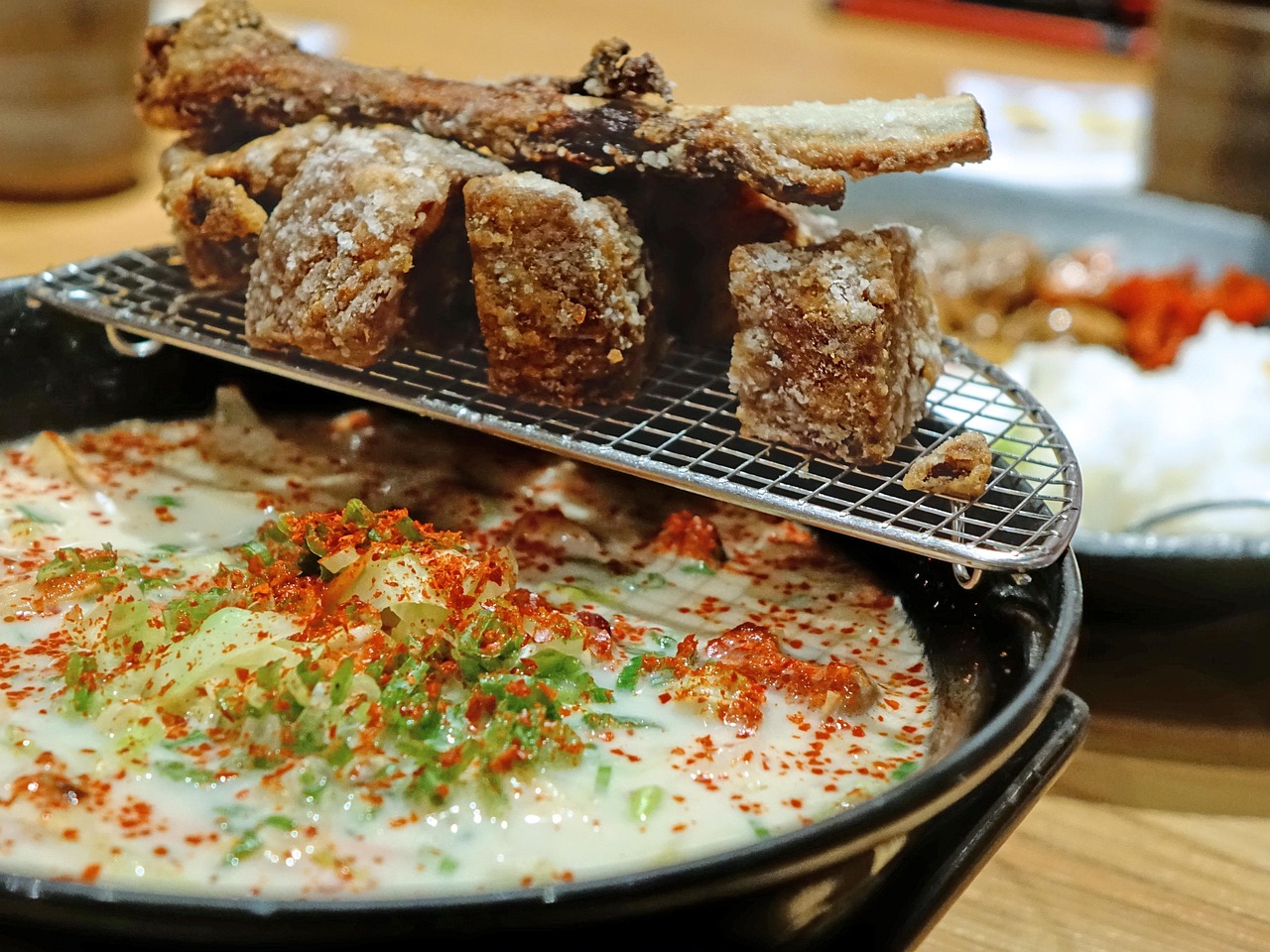
Sarah had just finished a long shift at the gallery, the July 2026 humidity clinging to the city air. All she wanted was a comforting, steaming bowl of ramen – that perfect blend of rich broth, springy noodles, and savory toppings. But in a city as vast as New York, searching for ‘ramen near me’ can feel like an endless quest. For those navigating the East End, finding an exceptional ramen spot is not just about proximity; it’s about understanding the diverse world of this beloved Japanese noodle soup. New York City, particularly the areas accessible from the East End, offers an unparalleled selection of ramen experiences. This guide will help you cut through the noise, identifying what truly makes a ramen spot stand out and how to pinpoint the ideal bowl for your current craving.
Decoding Your Ramen Craving: Understanding the Types
Before you even begin your search for ‘ramen near me’, understanding the fundamental types of ramen is crucial. Each style offers a distinct flavor profile, influencing everything from the broth’s richness to the optimal toppings. Knowing what you’re in the mood for can significantly narrow your options. The four primary broth bases are Shio (salt), Shoyu (soy sauce), Miso (fermented soybean paste), and Tonkotsu (pork bone). Shio ramen is often the lightest and clearest, with a delicate, savory broth that lets the natural flavors of the ingredients shine. Shoyu ramen, typically made with a chicken or vegetable broth flavored with soy sauce, offers a slightly darker, tangier profile. Miso ramen is known for its solid, earthy, and often nutty flavor, stemming from the miso paste. It tends to be richer and heartier than shio or shoyu. Tonkotsu, perhaps the most famous, is a creamy, opaque pork bone broth slow-cooked for hours to extract its profound umami and gelatinous texture, making it incredibly rich and satisfying. Beyond these, you’ll encounter variations like Tsukemen, where noodles are served separately from a highly concentrated dipping broth, or Mazemen (also known as Abura Soba), a soupless ramen tossed in a savory sauce with various toppings. Each type caters to a different palette and mood.
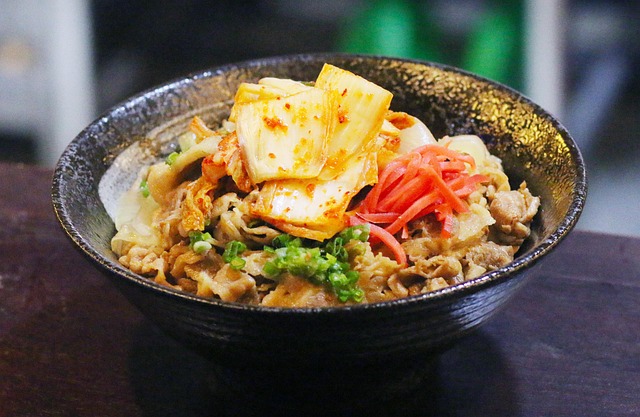
Navigating the NYC Ramen Landscape from the East End
While the East End itself boasts several commendable ramen establishments, a short subway ride can open up an even broader spectrum of choices. Neighborhoods like the East Village and Lower East Side are veritable ramen hubs, often considered among the best places to find authentic ramen in NYC. These areas are easily accessible, typically within a 10-20 minute journey from many East End locations. When searching for local ramen guide, consider how far you’re willing to travel for a specific experience. For instance, if you crave a classic, rich Tonkotsu, certain spots in the East Village might be renowned for it. If a lighter, seafood-based Shio is your preference, a different set of establishments might emerge as top contenders. Exploring these adjacent neighborhoods allows for a more complete ramen adventure. For broader explorations of city dining, see.
What to Look For: Beyond the Broth and Noodles
An exceptional bowl of ramen is a symphony of components, not just a good broth. The quality of the toppings, the texture of the noodles, and even the ambiance of the restaurant all contribute to the overall experience. Don’t overlook these elements when evaluating potential ramen spots. Look for perfectly cooked CASHU (braised pork belly or shoulder) that melts in your mouth, jicama (marinated soft-boiled egg) with a custardy yolk, and fresh, vibrant scallions or nori (seaweed). The noodles themselves are crucial; they should be firm and springy, offering a satisfying chew that complements the broth without becoming soggy. Different ramen styles often pair best with specific noodle types – thin, straight noodles for Tonkotsu, or thicker, wavy noodles for Miso. The interior of a ramen shop often reflects its dedication to authenticity. Some offer a bustling, communal atmosphere, while others provide a more serene, focused dining experience. The best places prioritize fresh ingredients and meticulous preparation, ensuring every element is expertly crafted. According to a 2025 Eater NYC review of ramen trends, chefs are increasingly focusing on regional Japanese noodle variations and house-made broths.

The Art of the Search: Finding Your Perfect Bowl
Beyond simply typing ‘ramen near me’ into a search engine, a more strategic approach can yield better results. Start by using online review platforms, but pay attention to specific dish mentions rather than just star ratings. Look for comments that highlight the broth’s depth, noodle texture, or unique toppings. Don’t hesitate to ask for local ramen guide recommendations. Staff at East End Tavern NYC, for example, often have insights into nearby culinary gems. Social media can also be a powerful tool; follow local food bloggers or neighborhood groups that share their latest discoveries. Many apps allow you to filter by specific ramen types (e.g., Tonkotsu, Shoyu) or dietary needs (vegetarian, vegan), refining your search significantly.
Common Ramen Misconceptions and How to Avoid Them
One common mistake is assuming all ramen is heavy and rich. While Tonkotsu is undoubtedly hearty, lighter options like Shio or certain Shoyu broths can be incredibly refreshing and less filling. Another misconception is that ramen is solely a meat-based dish. The ramen landscape has evolved significantly, with many establishments now offering delicious and creative vegetarian ramen options. Avoid limiting yourself to just one style. Many people fall in love with Tonkotsu and never explore further. However, the world of ramen is vast, with regional variations across Japan, each offering unique ingredients and preparation methods. Stepping outside your comfort zone could lead to your next favorite bowl. For more on Japanese culinary exploration, offers deeper insights.
Enhancing Your Ramen Experience: Tips from a Local
Once you’ve found your ramen near me, maximize the experience. Don’t be shy about slurping; it’s a sign of appreciation in Japanese culture and helps aerate the noodles and broth, enhancing flavor. Consider adding extra toppings like garlic oil, spicy paste, or more nori to customize your bowl. If you’re a big eater, many authentic spots offer kaedama, a refill of noodles for a small additional charge, perfect for finishing off any leftover broth. Pair your ramen with traditional Japanese side dishes like gyoza (dumplings), takoyaki (octopus balls), or a refreshing Japanese beer or sake. The combination creates a more complete and satisfying meal. According to a 2024 survey by the Japan National Tourism Organization, food tourism, particularly for ramen, continues to be a major draw for visitors.
Crafting Your Ramen Adventure: A Pre-Visit Checklist
To ensure a successful ramen outing, a little preparation goes a long way. Use this checklist before heading out:
-
- Determine Your Broth Preference: Are you craving rich Tonkotsu, savory Shoyu, earthy Miso, or light Shio?
- Check Online Reviews for Specific Dishes: Look for mentions of specific ramen types and their quality, not just general restaurant ratings.
- Consider Ambiance and Wait Times: Some popular spots have long queues, especially during peak hours. Decide if the wait is worth it for the experience.
- Verify Vegetarian/Vegan Options: If applicable, confirm the availability and quality of plant-based choices.
- Plan Transportation: Whether walking, subway, or ride-share, know your route, especially if venturing outside the immediate East End.
- Explore Side Dishes and Drink Pairings: Many ramen spots offer excellent appetizers and beverages that complement the main course.

Ramen for Every Palate: Vegetarian, Vegan, and Gluten-Free Options
The demand for diverse dietary options has transformed the ramen scene. Many establishments now specifically cater to vegetarian and vegan diners, often with dedicated broths made from mushroom, kombu, or vegetable bases. These can be surprisingly flavorful and just as satisfying as their meat-based counterparts. For those seeking gluten-free ramen near me, options are also growing. Some restaurants offer gluten-free noodles (often made from rice or konjac) as a substitute. However, cross-contamination can be a concern, so it’s always best to inquire directly with the staff about their preparation methods. Always double-check menus and speak with your server to ensure your dietary needs are met. According to the Celiac Disease Foundation (2023), careful communication with restaurant staff is key for safe dining.
Pros and Cons of Popular Ramen Styles
Pros
- Tonkotsu: Incredibly rich, deep umami flavor, very satisfying.
- Miso: Hearty, complex, often includes corn and butter, comforting.
- Shoyu: Balanced, savory, versatile, often a good entry point for beginners.
- Shio: Light, clean, allows subtle flavors of ingredients to shine.
- Tsukemen: Intense dipping broth, noodles retain firmness, unique eating experience.
Cons
- Tonkotsu: Can be very heavy, long wait times at popular spots, not for light appetites.
- Miso: Can sometimes overpower other ingredients if not balanced well.
- Shoyu: May lack the richness desired by some, can be perceived as less adventurous.
- Shio: Flavor can be too subtle for those accustomed to bolder broths.
- Tsukemen: Broth can be very concentrated, may cool down faster than soup ramen.
Frequently Asked Questions
What is the difference between ramen and pho?
Ramen is a Japanese noodle soup, typically with a rich meat or fish-based broth, wheat noodles, and toppings like CASHU, egg, and nori. Pho is a Vietnamese noodle soup, usually with a clearer beef or chicken broth, rice noodles, and fresh herbs and lime as common accompaniments.
Are there vegetarian ramen options available in NYC?
Yes, many ramen restaurants in NYC, especially those in popular food neighborhoods like the East Village, offer delicious vegetarian and vegan ramen. These typically feature broths made from vegetables, mushrooms, or kombu, with plant-based toppings like tofu, corn, and greens.
How do I choose the best ramen near me if I’m new to it?
If you’re new to ramen, start with Shoyu (soy sauce-based) or Miso (fermented soybean paste-based) ramen, as they offer balanced and approachable flavors. Tonkotsu (pork bone broth) is a classic but very rich. Don’t be afraid to ask staff for recommendations based on your preferences.
What are common toppings for ramen?
Common ramen toppings include CASHU (braised pork), jicama (marinated soft-boiled egg), nori (seaweed), menma (bamboo shoots), scallions, and narutomaki (fish cake). Many restaurants also offer customizable options like corn, butter, spicy paste, or extra vegetables.
Is slurping ramen considered rude?
No, quite the opposite! In Japanese culture, slurping ramen loudly is considered a sign of enjoyment and appreciation for the chef. It also helps cool down the hot noodles and broth, enhancing the flavor experience. Slurp away!
What’s a good drink pairing for ramen?
A cold Japanese beer, such as Sapporo or Asahi, is a classic pairing for ramen, cutting through the richness of the broth. Sake, green tea, or even a glass of sparkling water can also complement the flavors without overpowering them. The choice often depends on the specific ramen style.
Conclusion
The quest for ‘ramen near me’ in NYC is an exciting culinary journey, especially from the vantage point of the East End. By understanding the diverse styles, knowing what to look for beyond the obvious, and employing smart search strategies, you can transform a simple craving into a memorable dining experience. Embrace the journey, explore diverse broths, and let the vibrant food scene accessible from East End Tavern NYC be your starting point for your next delicious adventure. Information current as of July 2026; pricing and product details may change.


Where Was The Pitt Filmed? Unpacking Pittsburgh’s Starring Role

Croatia’s Top Destinations: Beyond the Postcard

Your Guide to Things to Do in Los Angeles

Sonny’s Kitchen Barnes: A London Gem for NYC Foodies

Hannah Pham: The Unseen Architect Behind the Spotlight

Epstein Bed and Breakfast Liverpool: Your Deep Dive into
-
 Food & Restaurants3 weeks ago
Sonny’s Kitchen Barnes: A London Gem for NYC Foodies
-
 City Living2 weeks ago
Hannah Pham: The Unseen Architect Behind the Spotlight
-
 Travel & Day Trips3 weeks ago
Epstein Bed and Breakfast Liverpool: Your Deep Dive into
-
 Food & Restaurants3 weeks ago
Finding Your Perfect Bowl: Ramen Near Me in NYC’s East End
-

 Travel & Day Trips3 weeks ago
Tour a Canaima: Journey to Angel Falls
-

 Food & Restaurants3 weeks ago
North End Grill Battery Park: Reimagining Dining After
-

 Food & Restaurants3 weeks ago
Portland’s Coffee Comeback: Finding the Best Cafes in the Rose City
-

 Food & Restaurants3 weeks ago
Roy St Coffee and Tea: Crafting NYC’s East End Experience