
City Living
Chicago’s ‘Goth Target’: Decoding a Viral Urban Landmark
Chicago’s ‘Goth Target’ has transcended mere retail to become a viral urban legend, blending historic architecture with modern pop culture. This article explores its unique appeal and how to best experience this distinctive landmark.


The Allure of Chicago’s “Goth Target”
Walk down State Street in Chicago and you might stumble upon a Target that looks unlike any other: a grand, dark-hued edifice adorned with intricate, almost brooding ornamentation. This isn’t just another retail outlet; it’s the famed “Goth Target,” a viral sensation and a testament to architectural preservation. Its captivating exterior, steeped in history and dramatic flair, has made it a pilgrimage site for architecture enthusiasts, urban explorers, and TikTok trendsetters alike. The building’s unique aesthetic, often described as a blend of imposing grandeur and delicate, dark detailing, resonates deeply with those who appreciate unconventional beauty. It stands as a striking example of how historical structures can be adaptively reused, injecting new life into old bones while maintaining their original character.
A Legacy in Stone and Iron: The Sullivan Center’s History
At the heart of the “Goth Target” phenomenon is the venerable Sullivan Center, formerly the Carson, Pirie, Scott and Company Building. Designed by the legendary architect Louis Sullivan, this structure is a masterpiece of early modern American architecture, completed in phases between 1899 and 1904. Sullivan, a pioneer of the Chicago School, championed the idea that “form follows function,” yet he imbued his commercial buildings with breathtaking ornamentation. The building’s most recognizable features are its ground-floor cast-iron decorations, which appear almost organic and fluid, a hallmark of Sullivan’s Art Nouméa-influenced style. This intricate, dark metalwork on the lower stories, contrasting with the lighter, soaring verticality of the upper floors, creates a visual drama that’s both elegant and powerful. According to Preservation Chicago (2026), the building remains a crucial landmark, demonstrating the city’s commitment to architectural heritage. Visitors are often struck by the sheer artistry embedded in what was designed as a commercial space. It’s a living museum of architectural evolution, showcasing how a building can simultaneously serve commerce and stand as a work of art.
From Department Store to Discount Retailer: An Adaptive Reuse Story
The journey from the grand Carson, Pirie, Scott department store to a modern Target is a compelling narrative of urban adaptive reuse. After the department store closed in 2007, the future of the architecturally significant building was uncertain. However, Target’s decision to occupy a portion of the lower floors in 2012 marked a significant moment for both retail and preservation. Target meticulously integrated its contemporary retail operations within the historic shell, ensuring that the iconic exterior and many interior architectural elements were preserved. This wasn’t merely putting a new tenant in an old space; it was a thoughtful conversation between past and present. The Target signage, for instance, is often subtly incorporated, respecting the original design rather than imposing a jarring modern brand. This approach highlights a growing trend in urban development, where the value of historical architecture is recognized not just for its aesthetic merit but also for its potential to house new, vibrant businesses. It’s a way to keep city centers dynamic without sacrificing their unique character, a challenge many global cities face in 2026.
The “Goth” Aesthetic: Deconstructing the Nickname
The nickname “Goth Target” is more than just a passing social media trend; it’s an intuitive recognition of how the building’s design elements align with a distinct aesthetic. The rich, dark patina of its cast-iron ornamentation, the intricate floral and geometric patterns, and the overall dramatic presence of the facade strongly echo visual themes found within goth subculture. Goth aesthetics often draw inspiration from Victorian and Neo-Gothic architecture, characterized by elaborate detailing, a sense of grandeur, and a focus on dark, often melancholic, beauty. Sullivan’s work, particularly the organic, almost skeletal forms of his ornamentation, while not strictly Gothic, shares a similar spirit of ornate, dark elegance that appeals to this sensibility. The building doesn’t just look “dark”; its detailed, almost brooding ornamentation speaks to a specific artistic language. It’s this interplay of historical significance and a modern subculture’s visual preferences that makes the “Goth Target” so compelling. It’s a unique bridge between high architecture and contemporary cool, demonstrating how aesthetics can transcend their original context and find new resonance.
The TikTok Phenomenon: Viral Appeal and Cultural Impact
The “Goth Target” truly exploded into popular consciousness through platforms like TikTok. Videos showcasing its striking exterior, often accompanied by dramatic music or fashion commentary, garnered millions of views. This virality transformed a local Chicago landmark into an international talking point, drawing visitors who might never otherwise seek out architectural history. The building became a backdrop for fashion shoots, travel vlogs, and artistic expressions, solidifying its status as a cultural icon. The trend wasn’t just about the building itself; it was about the community that formed around appreciating its unique blend of history and aesthetic. This engagement, as Timeout.com noted, has significantly amplified the building’s profile. This digital phenomenon underscores the power of social media to highlight overlooked gems and create new narratives around existing spaces. It’s a testament to how visual appeal, combined with a compelling story, can turn a functional retail building into a global fascination.
How to Experience the Goth Target: A Visitor’s Guide
For those planning a visit to Chicago, experiencing the “Goth Target” should be high on your list. Here’s how to make the most of your architectural and cultural pilgrimage:
-
- Timing is Key for Exterior Views: While the building is impressive any time, aim for late afternoon or early evening. The fading light often enhances the dramatic contrast of the dark facade against the sky, and the streetlights illuminate its intricate details beautifully. The store, located at 1 S. State St., Chicago, IL, typically closes at 10 PM, offering ample evening viewing opportunities.
- Look Up and Around: Don’t just focus on the ground level. While Sullivan’s iconic ornamentation is concentrated on the first two stories, step back across State Street to appreciate the entire structure. The upper floors, designed by Daniel Burnham, offer a more restrained, yet still elegant, contrast. For surface-material comparisons, see.
- Step Inside, But Set Expectations: While the exterior is the star, the interior maintains some original columns and high ceilings, particularly noticeable around the escalators and main aisles. However, it’s fundamentally a modern Target store. Expect a typical retail environment, not a themed attraction.
- Explore the Surrounding Area: The Sullivan Center is located in the heart of downtown Chicago, near numerous other architectural marvels and attractions. Combine your visit with a stroll through Millennium Park or a walk along the Chicago Riverwalk to appreciate the city’s broader architectural landscape.
Beyond the Facade: What’s Inside the Chicago State Street Target?
It’s a common query: if the exterior is so unique, what about the interior? The Target at State Street in the Sullivan Center is, at its core, a fully functioning urban Target store. This means you’ll find the usual array of departments: groceries, electronics, apparel, home goods, and health and beauty products, all laid out with Target’s signature clean merchandising. While the interior doesn’t maintain the full “goth” aesthetic of the exterior, certain elements nod to its historic past. High ceilings, original columns, and a sense of spaciousness often differentiate it from a typical suburban Target. The main entrance, particularly around the escalators, showcases some of the building’s grandeur, offering glimpses of the original structural integrity. For shoppers, it offers convenience in a truly unique setting. For architectural enthusiasts, it’s an exercise in seeing modern function within a preserved form. It might not be a dark, themed retail experience, but it’s an efficient store in an extraordinary shell.
Common Misconceptions About the “Goth Target”
The viral nature of the “Goth Target” has led to some common misunderstandings. Addressing these can enhance a visitor’s experience and manage expectations effectively.
It’s a Themed Goth Store
Many first-time visitors expect a dark, goth-themed interior complete with themed merchandise. This is incorrect. The interior is a standard Target, albeit one housed in a historically significant building. The “goth” moniker refers solely to the exterior architecture and its aesthetic resonance, not the retail concept inside.
The Entire Building is Target
While Target occupies a substantial portion of the lower floors, the Sullivan Center is a multi-use building. It also houses offices, other retail spaces, and educational institutions. Target is a prominent tenant, but not the sole occupant.
It’s a New, Purpose-Built Attraction
Some believe the building was recently constructed or renovated to achieve its distinctive look for social media. In reality, the building’s unique facade is over a century old, designed by Louis Sullivan. Its viral fame is a modern phenomenon, but the architecture itself is a testament to Chicago’s rich historical design heritage.
Tips for Photographers and Urban Explorers
The “Goth Target” offers incredible photographic opportunities. Capturing its essence requires a keen eye and some strategic planning. For optimal shots, consider visiting during the “golden hour” just before sunset, when the low light casts dramatic shadows and highlights the intricate detailing of the facade. A wide-angle lens can help capture the building’s imposing scale, while a telephoto lens can isolate specific ornamental elements. Beyond that, experiment with different angles across State Street to frame the entire building, or focus on the street-level cast-iron work for close-up, textural shots. Early mornings can offer fewer crowds, allowing for unobstructed views. Remember, respecting public space and other pedestrians is paramount, even when chasing the perfect shot. Exploring unique urban spaces like this can also inspire deeper dives into city history; for more on urban exploration, check out Bellwether Studio City: Defining Luxury Urban Living.
Frequently Asked Questions
Why is it called Goth Target?
The name “Goth Target” comes from the building’s distinctive exterior architecture, which features dark, intricate cast-iron ornamentation and an overall dramatic, elegant aesthetic. This style resonates with the visual preferences often associated with goth subculture, particularly its appreciation for Victorian and Neo-Gothic design elements.
Where is the Goth Target located?
The “Goth Target” is located in the historic Sullivan Center at 1 South State Street in downtown Chicago, Illinois. It occupies a prominent corner on one of Chicago’s busiest commercial thoroughfares, making it easily accessible for visitors and locals alike.
Is the Goth Target still a functioning store?
Yes, absolutely. Despite its fame as an architectural and cultural landmark, the “Goth Target” is a fully operational Target retail store. Shoppers can find a wide range of products, from groceries to electronics, within its historic walls, just like any other Target location.
What is the architectural style of the Sullivan Center?
The Sullivan Center is primarily known for its Chicago School architecture, particularly the influential work of Louis Sullivan. Its lower floors showcase intricate Art Nouméa-inspired cast-iron ornamentation, while the upper floors feature a more restrained, yet elegant, grid pattern designed for a department store’s needs.
Is it worth visiting if I’m not a goth?
Definitely. The “Goth Target” is worth visiting for anyone interested in architecture, urban history, or unique city landmarks. Its historical significance, stunning design, and cultural impact as a viral phenomenon offer broad appeal, far beyond any specific subculture.
What other architectural highlights are nearby?
The “Goth Target” is surrounded by Chicago’s renowned architectural landscape. Nearby highlights include the Rookery Building, the Marquette Building, and the Art Institute of Chicago, all within walking distance. Visitors can easily combine a trip to the “Goth Target” with a broader architectural tour of downtown Chicago.
Conclusion
Chicago’s “Goth Target” stands as a captivating blend of architectural heritage and contemporary cultural phenomenon. More than just a retail store, it’s a testament to Louis Sullivan’s enduring design genius and the power of adaptive reuse in urban landscapes. Its dark, ornate facade has not only earned it a distinctive nickname but also cemented its place as a must-see landmark, drawing visitors from around the globe. Whether you’re an architecture buff, a social media enthusiast, or simply seeking a unique urban experience, the “Goth Target” offers a rich narrative. Take the time to appreciate its intricate details, understand its history, and witness firsthand how a century-old building can continue to captivate and inspire in 2026. Plan your visit to truly immerse yourself in this remarkable fusion of old and new. Information current as of August 2026; pricing and product details may change.




City Living
What’s Open on Christmas Day in NYC
When Christmas Day arrives in New York City, finding what’s open on Christmas Day can be a challenge, but many essential services, restaurants, and attractions do operate. This guide helps you navigate holiday hours and plan your day.
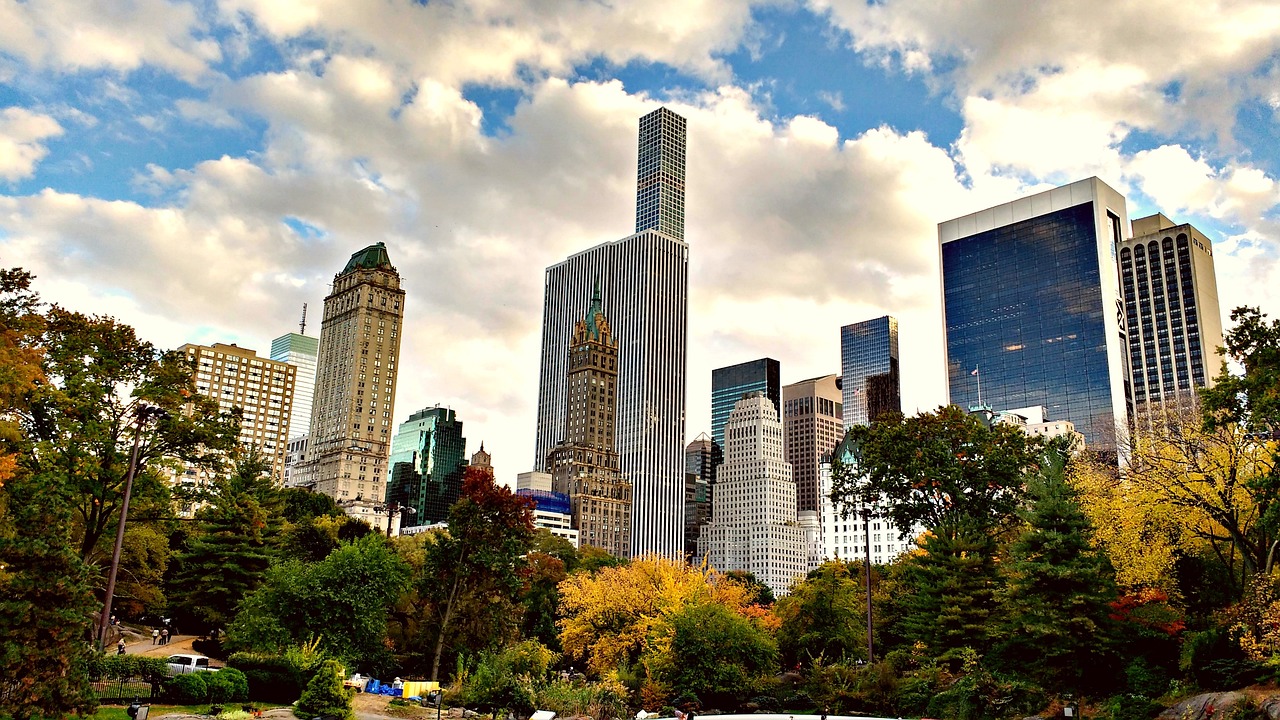
st
Whats open on christmas day: The NYC Christmas Day Paradox
New York City on Christmas Day presents an interesting paradox: a city often bustling with energy suddenly feels quieter, yet beneath the surface, a vibrant ecosystem of businesses continues to serve locals and tourists alike. Unlike many smaller towns where everything shuts down, NYC s diverse population and constant influx of visitors necessitates a certain level of operation, even on major holidays. This means that while the usual rush of retail might be absent, you can still find stores open on Christmas Day for last-minute needs or unique experiences; it’s about knowing where to look and, more importantly, understanding the patterns that govern holiday business hours in such a unique urban environment. From a local perspective, observing this shift from frantic pre-holiday shopping to a more serene Christmas Day offers a distinct charm, allowing for different ways to experience the city.
Essential Services: When You Need Them Most
Even on Christmas Day, life’s necessities don’t pause. Pharmacies are often the most reliable essential service to remain open. Chains like Duane Reade, CVS, and Rite Aid typically operate with adjusted holiday hours across Manhattan, Brooklyn, and other boroughs, and these are invaluable for any unexpected medical needs or forgotten items. Grocery stores open on Christmas Day are less common, but some smaller, independent markets or specialty food stores, particularly in ethnically diverse neighborhoods, may open for a few hours. Larger chains like Whole Foods or Trader Joe’s are generally closed, but checking their specific store locators is always advised. Convenience stores and gas stations also usually remain operational, serving as crucial lifelines for quick snacks or fuel. Public transportation, managed by the MTA, runs on a Sunday schedule for buses and subways, ensuring you can still Handle the city. Commuter rail services like the Long Island Rail Road (LIRR) and Metro-North also follow holiday schedules. According to the Metropolitan Transportation Authority (MTA) (2026), these modified schedules are standard for major holidays, so planning your routes in advance is critical.

Dining Out on Christmas Day in the Big Apple
For many, the idea of Christmas Day dining NYC brings comfort and celebration without the hassle of cooking. New York City truly shines in this regard, with a wide array of restaurants embracing the holiday. From upscale establishments offering prix-fixe menus to casual diners and ethnic eateries, options abound. Many Chinese and Jewish restaurants, for instance, traditionally remain open, making them popular choices. Iconic diners like the Waverly Diner or Westway Diner often serve their regular menus. Upscale hotels frequently host elaborate Christmas brunches and dinners, though these typically require reservations months in advance and can range from $75 to $200+ per person as of August 2026. Even some fast-casual spots or coffee shops might open their doors for limited hours. The key is to research early, as Christmas Eve restaurant hours also vary significantly, and many spots close early on the 24th.
Cultural Attractions and Entertainment
Christmas Day activities NYC extend beyond dining. Many of the city’s beloved cultural institutions and tourist attractions maintain special holiday hours. The Empire State Building, Top of the Rock, and One World Observatory generally welcome visitors, offering breathtaking views of a quieter city. Ice skating rinks at Rockefeller Center, Bryant Park, and Central Park’s Wollman Rink are almost always open, providing a classic New York winter experience. While museums like The Met or MoMA typically close, a few, like the Jewish Museum or smaller galleries, might offer limited access. Broadway shows are usually dark, but select movie theaters will be open, featuring new releases and holiday favorites.

Exploring specific neighborhoods, like the festive lights of Dyker Heights in Brooklyn or a stroll through Central Park, requires no specific opening hours and offers a quintessential NYC Christmas experience. For unique local events, check listings for community centers or smaller performance venues, as these sometimes host special holiday programs.
Navigating Christmas Day Openings: Your Action Plan
Successfully finding what’s open on Christmas Day in NYC requires a proactive approach. Don’t assume regular hours, or even that a business will be open at all. Here s a step-by-step guide to planning your holiday.
- Start Early: Begin researching your desired activities and dining options in early November. Popular restaurants and attractions book up fast.
- Verify Hours Directly: The most reliable method is to check the business s official website or social media pages. Many will post specific holiday schedules well in advance.
- Call Ahead: A quick phone call can confirm hours, especially for smaller businesses or if online information seems outdated.
- Use Apps and Online Directories: Apps like Google Maps, Yelp, or OpenTable often show holiday hours, but always cross-reference with the business’s direct sources.
- Consider Alternatives: Have a backup plan. If your first choice is closed or fully booked, know a few other options for dining or activities.
- Factor in Travel Time: Public transportation runs on a holiday schedule, which might mean less frequent service. Allow extra time for travel.
Common Mistakes to Avoid
Even with careful planning, navigating Christmas Day in NYC can present challenges. One common mistake is assuming that because New York is a 24/7 city, everything will operate as usual. This is a significant oversight; many beloved local spots do close their doors to allow staff to celebrate. Another error is waiteding until the last minute for dining reservations. Prime slots at popular restaurants for Christmas Day dining NYC can be fully booked by Thanksgiving. Also, neglecting to confirm public transport schedules can lead to frustrating delays, especially for those venturing outside Manhattan. Many visitors also forget that last-minute Christmas shopping for anything beyond essentials is extremely limited, so finish up your gift buying well before the 25th. Finally, overlooking the potential for higher prices is a common pitfall. Some restaurants offer special holiday menus at a premium, and surge pricing might apply to ride-sharing services.
Expert Tips for a smooth NYC Christmas Day
From the perspective of a local bar in NYC, we’ve seen countless holiday seasons and the unique demands they bring. My primary advice is to embrace the festive, slightly quieter pace of the city. Consider activities that don’t rely on strict opening hours, like exploring a new neighborhood on foot or taking a scenic walk across the Brooklyn Bridge. For dining, think outside the box. While traditional American fare is available, many excellent Indian, Japanese, or Italian restaurants often have tables. These often provide a refreshing alternative to the standard holiday menus. According to a 2025 Eater NYC survey, a significant portion of their readership actively seeks out non-traditional dining options on Christmas Day. Always carry cash for smaller establishments or unexpected needs. While most places accept cards, a few cash-only spots might be among the Christmas Day openings. Remember that the East End Tavern NYC is a fantastic spot for a pre-holiday gathering or a post-Christmas Eve drink, but our specific Christmas Day hours will be posted on our website by early December. Don’t be afraid to ask hotel concierges or local residents for their recommendations; they often have insider knowledge about hidden gems. Also, consider volunteering at a local charity if you’re looking for a meaningful way to spend the day, as many organizations welcome help on holidays.

Frequently Asked Questions
Are all major NYC attractions open on Christmas Day?
No, not all major attractions are open. While popular spots like the Empire State Building or ice skating rinks often operate, many museums (e.g., The Met, MoMA) typically close. Always check specific attraction websites for their confirmed 2026 holiday schedules well in advance.
Can I do last-minute grocery shopping on Christmas Day in NYC?
Last-minute grocery shopping is very limited. Most large supermarket chains will be closed. You might find some smaller, independent delis or ethnic markets open for a few hours, but selection will be sparse. It’s best to complete grocery runs by Christmas Eve.
Is public transportation free on Christmas Day in NYC?
No, public transportation isn’t free on Christmas Day. The MTA subways and buses operate on a Sunday schedule, and standard fares apply. Commuter rail services also run on holiday schedules, so expect slightly reduced frequency.
Do I need reservations for Christmas Day dining in NYC?
Absolutely. For most sit-down restaurants, especially popular or upscale establishments, reservations are essential and should be made weeks, if not months, in advance. Even casual spots can have long wait times without a booking.
What should I do if everything I want to do is closed?
If your top choices are closed, consider outdoor activities like walking through Central Park, exploring festive neighborhoods like Dyker Heights, or simply enjoying a quiet movie at a local cinema. Many cultural and walking tours also operate, offering a unique perspective of the city.
Are pharmacies guaranteed to be open on Christmas Day?
Major pharmacy chains like CVS and Duane Reade usually have locations open on Christmas Day, often with reduced hours. However, it’s always wise to confirm the specific hours for your nearest branch online or by phone before heading out, especially for urgent needs.
Conclusion
Navigating what’s open on Christmas Day in NYC requires a blend of foresight and flexibility. While the city takes on a calmer, more reflective ambiance, ample opportunities for dining, entertainment, and essential services remain available for those who plan ahead. Embrace the unique spirit of a New York City Christmas, and you’re sure to have a memorable holiday. Information current as of August 2026; pricing and product details may change.




City Living
Tube Strikes Trending: Navigating London’s Transport Uncertainty
Tube strikes 2026 trending is more than just a headline; it signals ongoing concern for London commuters and visitors. Learn how to prepare for potential transport disruptions.

When the phrase “tube strikes 2026 trending” appears, it immediately raises a red flag for anyone living in, working in, or planning a visit to London. While specific widespread Tube strike dates aren’t dominating headlines as of August 2026, the term itself reflects a persistent undercurrent of concern among commuters and businesses. This trend isn’t necessarily about current, active industrial action on the Underground but rather the continuous anticipation and preparation for potential disruptions that have become a recurring feature of London’s transport landscape.
Key Takeaways
- “Tube strikes 2026 trending” signifies an ongoing concern about potential future industrial action, even if no major Tube strikes are currently announced for August 2026.
- Past disputes between unions like the RMT and Transport for London (TfL) over pay, pensions, and working conditions are the primary drivers of this persistent trend.
- Anticipate disruption by monitoring official TfL communications and union announcements closely.
- Plan alternative routes using walking, cycling, buses, river services, or ride-sharing apps, and consider flexible work arrangements.
- London’s businesses, including hospitality venues, face significant economic impacts, making early preparation crucial for resilience.
Decoding the ‘Trending’ Aspect
The term “tube strikes 2026 trending” doesn’t necessarily mean London’s entire Underground network is currently grinding to a halt. Instead, it reflects a broader anxiety and a need for information surrounding potential industrial action. Historically, London has experienced various forms of transport strikes, from Tube to bus and national rail, making the prospect of future disruptions a constant in urban planning and daily life. This trend highlights the importance of proactive preparation rather than reactive scrambling. As of August 2026, specific major Tube strike announcements are not dominating the news, unlike some recent bus strikes affecting around 40 London routes earlier this month, as reported by outlets like Metro.co.uk. The focus for Tube services remains on ongoing negotiations and the ever-present possibility of unions calling for action.

Staying informed is key when anticipating London Underground disruptions.
Why London Tube Strikes Happen
Tube strikes typically stem from disputes between transport unions, primarily the RMT (Rail, Maritime and Transport) union, and Transport for London (TfL). These disagreements often revolve around critical issues such as pay, pensions, job security, and working conditions. Union members vote on industrial action when negotiations fail to meet their demands, leading to walkouts that can severely impact services across the London Underground network. The economic climate in 2026, with inflation and cost of living pressures, continues to fuel these discussions. Unions argue for fair compensation and protection of their members’ benefits, while TfL faces budgetary constraints and operational challenges. These competing priorities frequently lead to stalemates, making the threat of industrial action a powerful bargaining chip. Understanding these underlying causes helps contextualize why “tube strikes 2026 trending” remains a relevant search query.
Impact on Commuters and Visitors
When Tube strikes do occur, the ripple effects are immediate and far-reaching. Commuters face significantly longer journeys, overcrowded alternative transport, and increased stress. Businesses, particularly those reliant on foot traffic and timely deliveries, experience reduced revenue. For tourists, planned itineraries can be thrown into disarray, leading to frustration and a potentially negative perception of their visit. The absence of Tube services pushes demand onto other modes of transport like London Buses, the DLR, Overground, Elizabeth Line, and National Rail services, which quickly become overwhelmed. Road traffic also increases dramatically, turning short journeys into lengthy ordeals. Even businesses like our own at East End Tavern NYC, while located across the pond, understand the critical role public transport plays in a city’s vibrancy and economic health; similar disruptions can ripple through urban economies globally.
Planning Ahead: Your Strike Survival Guide
Preparedness is your best defense against London transport disruptions. Here’s a practical guide:
- Stay Informed: Regularly check official TfL updates via their website, app, and social media channels. Follow major news outlets and union announcements. The TfL Go app is indispensable for real-time service status.
- Identify Alternative Routes: Before any strike is confirmed, familiarize yourself with different ways to reach your key destinations. Consider walking for shorter distances, cycling (Santander Cycles are readily available), or using river bus services like Thames Clipper for scenic and often less congested travel along the Thames.
- Use Bus Services: While some bus routes might also be affected by separate industrial action, many will run as normal, albeit with increased demand. Apps like Citymapper can help plan bus journeys efficiently.
- Consider Ride-Sharing and Taxis: For essential journeys, ride-sharing apps like Uber or Bolt, or traditional black cabs, are options, but expect serge pricing and significant delays during strikes.
- Embrace Flexible Working: If possible, discuss remote work arrangements with your employer. Adjusting your start and end times to avoid peak travel hours can also make a huge difference.
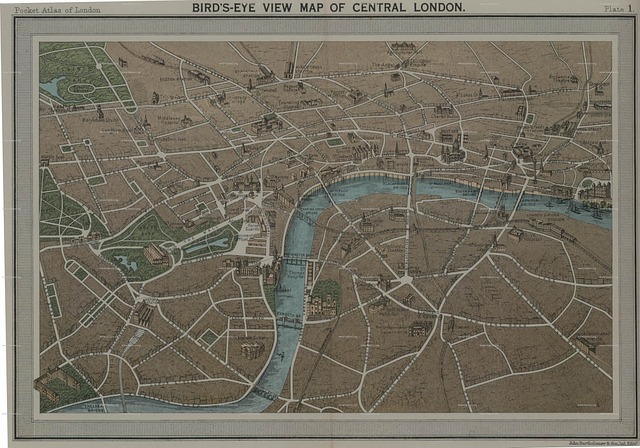
Explore London’s diverse transport network to find alternatives during Tube strikes.
Business Resilience During Disruption
For businesses in London, especially those in hospitality, retail, or entertainment, Tube strikes pose a significant challenge. Proactive measures are essential to minimize financial impact and maintain customer service.
- Communicate Early: Inform staff and customers about potential disruptions and any changes to opening hours or service availability.
- Support Staff Travel: Consider offering subsidies for alternative transport, arranging carpools, or providing temporary accommodation for essential staff living far from work. Flexible shift patterns can also help.
- Adjust Logistics: Re-evaluate delivery schedules and supplier arrangements. Expect delays and plan for additional lead times for vital supplies.
- Promote Local: Encourage local customers to visit by highlighting accessibility options that don’t rely on the Tube, or offering special promotions for those who walk or cycle.
These strategies not only mitigate immediate losses but also build long-term resilience, crucial in a city where transport continuity can be unpredictable. According to a 2026 report by the London Chamber of Commerce and Industry, transport strikes can cost the London economy millions of pounds per day, underscoring the need for solid contingency plans.
Common Pitfalls to Avoid
Navigating Tube strike periods successfully means avoiding several common mistakes that can exacerbate the frustration and impact.
- Ignoring Official Announcements: Relying on hearsay or outdated information can lead to wasted journeys. Always cross-reference information with official TfL sources.
- Underestimating Journey Times: A trip that normally takes 20 minutes by Tube could easily become a 90-minute bus journey or a one-hour walk. Always add generous buffer time.
- Not Charging Devices: Your phone is your lifeline for navigation, updates, and communication. A dead battery leaves you stranded and uninformed.
- Forgetting Essentials: Walking or cycling more means comfortable shoes, appropriate outerwear for London’s changeable weather, and possibly a water bottle become crucial.
- Expecting Business as Usual: Businesses that don’t adjust expectations or plans for staff and customers will suffer more. Transparency about potential service changes is always best.

Overlooking alternative transport planning can lead to significant delays and frustration during Tube strikes.
Expert Tips for Navigating London
Having worked in various city-focused roles, I’ve seen firsthand how adaptable Londoners are, but also how crucial a few strategic moves can be during strike days. For visitors and residents alike, consider these practical insights:
- Walk the Familiar: Many central London destinations are surprisingly walkable. For instance, the distance from Leicester Square to Covent Garden is a mere five-minute stroll. Consult a walking map for central zones; you might find your destination is closer than you think.
- Embrace the River: The Thames Clipper offers a fantastic alternative for East-West travel. It’s often less affected by road traffic and provides stunning views, making a commute feel more like a mini-cruise.
- Cycle Smarter: While Santander Cycles are great, if you’re planning multiple rides, consider a day pass. Remember, London’s cycle lanes have significantly improved, but road awareness is still paramount.
- Pre-Book Where Possible: For essential appointments or evening plans, pre-booking taxis or minicabs might offer more certainty than relying on on-demand services during peak disruption. However, traffic will still be a factor.
- Check the ‘Night Tube’ Status: Even if day services are disrupted, sometimes Night Tube or Night Overground services might run, which can be useful for late-night plans, but always verify specific line availability.
For surface-level transport comparisons, see for a breakdown of London’s bus network alternatives.

River services offer a scenic and often faster alternative during Tube strikes.
Frequently Asked Questions
Are there specific Tube strike dates confirmed for August 2026?
As of August 2026, there are no widespread Tube strike dates confirmed for the entire London Underground network. The “trending” aspect reflects ongoing concerns and historical patterns of industrial action rather than current, active walkouts on the Tube. Always check official Transport for London (TfL) channels for the latest updates.
What are the main reasons for Tube strikes in London?
Tube strikes in London are primarily driven by disputes between transport unions, such as the RMT, and Transport for London (TfL). Key issues often include disagreements over pay and pensions, job security, staffing levels, and changes to working conditions. These negotiations are a continuous process.
How do Tube strikes affect London’s economy?
Tube strikes can have a significant negative impact on London’s economy. Businesses, particularly in retail, hospitality, and entertainment, often see reduced footfall and revenue. Commuters face increased travel costs and lost productivity, contributing to an overall economic slowdown during periods of widespread disruption.
What are the best apps to use for alternative travel during strikes?
The TfL Go app is essential for real-time service status. Citymapper is highly recommended for planning multi-modal journeys, including buses, walking, and cycling, providing estimated travel times and alternative routes during disruptions. Google Maps also offers solid public transport and walking directions.
Do Tube strikes affect other transport services like buses or Overground?
While Tube strikes directly affect the Underground, they can indirectly impact other services. Buses, Overground, DLR, and National Rail become significantly more crowded due to displaced passengers. Occasionally, separate industrial action might affect buses or National Rail, so it’s crucial to check specific service updates for all modes of transport.
Conclusion
The phrase “tube strikes 2026 trending” serves as a vital reminder for London’s residents and visitors to remain vigilant and prepared. While specific industrial action on the Tube may not be universally confirmed today, the underlying issues and historical patterns suggest that disruption is always a possibility. By staying informed, planning alternative routes, and being adaptable, you can significantly mitigate the impact of any future transport challenges and continue to enjoy everything London has to offer. Information current as of August 2026.




City Living
Hannah Pham: The Unseen Architect Behind the Spotlight
Hannah Pham is often recognized primarily as Ronny Chieng’s wife, yet her formidable career as a legal professional warrants significant attention. This article delves into her impressive background, educational achievements, and the substantial impact she has made independently in the legal world.

When the name Hannah Pham surfaces in conversation, it’s often swiftly followed by a reference to her husband, the internationally recognized comedian Ronny Chieng. Yet, to define Hannah Pham solely by her marital status is to overlook a remarkable and independently successful career as a legal professional. Most public narratives about celebrity spouses tend to focus on their support role or their shared lifestyle, often eclipsing their individual accomplishments. However, Pham’s journey from Melbourne to New York City, culminating in significant legal acumen, paints a picture of a strategic thinker and an accomplished attorney in her own right.
- Hannah Pham holds impressive legal qualifications from the University of Melbourne and New York University, establishing a strong independent career foundation.
- Her work spans various legal sectors, demonstrating a versatile and impactful professional trajectory far beyond her public association with Ronny Chieng.
- Navigating a high-profile marriage while maintaining a demanding private career presents unique challenges, particularly concerning privacy and public perception.
- Pham’s influence extends to strategic partnership and career management, highlighting her significant contributions to her household’s success.
- The narrative surrounding celebrity spouses often undervalues their individual achievements, a dynamic Hannah Pham’s career actively challenges.
The Making of a Legal Mind
Hannah Pham’s intellectual foundation was laid in Melbourne, Australia, where she was born in 1988. Her academic journey began at Melbourne Girls Grammar Public School, a significant institution known for fostering strong female leaders. This early environment likely contributed to her disciplined approach to education and her drive for excellence. She pursued higher education at the esteemed University of Melbourne, where she earned a Bachelor of Commerce and a Bachelor of Laws degree in 2010. This dual qualification provided her with a solid understanding of both business principles and legal frameworks, a combination highly valued in complex corporate and entertainment law sectors. According to The Biography (2025), her academic achievements set a strong precedent for her future career. Her commitment to advanced legal studies brought her to New York City, where she obtained a Master of Laws degree from New York University (NYU) in 2017. NYU Law is consistently ranked among the top law schools globally, further cementing Pham’s credentials as a top-tier legal professional. This move to one of the world’s most competitive legal markets underscored her ambition and readiness to tackle sophisticated legal challenges.
Hannah Pham’s Professional Trajectory
Hannah Pham’s career began in 2009, even before completing her initial degrees. She gained early experience as a legal assistant, which provided practical insight into the day-to-day operations of legal practice. This foundational work is crucial for understanding the intricacies of the legal system and developing a practical skillset. Her journey has since involved various roles, indicating a versatile approach to her legal career. While specific firm names are often kept private for professionals operating in high-profile circles, her educational background suggests a focus on areas such as corporate law, intellectual property, or potentially entertainment law, given her husband’s profession. These fields demand sharp analytical skills, meticulous attention to detail, and a deep understanding of complex regulatory environments. Working in New York City’s legal landscape means engaging with some of the most intricate and high-stakes cases globally. This environment requires not just legal knowledge, but also strategic thinking, negotiation prowess, and an ability to navigate diverse legal challenges. Pham’s consistent work in the legal field, spanning over a decade, demonstrates a sustained commitment to her profession.
Navigating Public Life and Private Practice
One of the most compelling aspects of Hannah Pham’s story is her ability to maintain a solid, demanding legal career while being married to a globally recognized public figure. This dual existence presents unique challenges that many professionals don’t face. The constant scrutiny that comes with celebrity associations can impact privacy, professional boundaries, and even career opportunities. For legal professionals, discretion and client confidentiality are paramount. Being in the public eye, even indirectly, can complicate these ethical obligations. Maintaining a clear separation between her private life as Ronny Chieng’s wife and her professional identity as Hannah Pham, attorney, requires deliberate effort and strategic management. This nuanced approach ensures that her professional credibility remains uncompromised by celebrity gossip or speculation. The media, as seen in outlets like Distractify (2026), often frames her identity primarily through her husband’s lens. Yet, her consistent work and advanced degrees demonstrate an unwavering focus on her own professional path. This resilience in carving out and protecting her professional space is a testament to her dedication and strategic acumen. [IMAGE alt=”A split image showing a busy legal office on one side and a red carpet event on the other, symbolizing Hannah Pham’s dual life” caption=”Balancing the demands of a high-stakes legal career with the public scrutiny of a celebrity marriage requires careful management and clear boundaries.” loading=”lazy”]
The Power of Strategic Partnership
Beyond her independent legal career, Hannah Pham’s influence extends to her role as a strategic partner in her marriage. While often cited as managing Ronny Chieng’s career, this isn’t a passive role; it leverages her legal expertise and business acumen to handle the complexities of the entertainment industry. For many public figures, a legally astute partner can be invaluable in contract negotiations, intellectual property management, and strategic decision-making. This kind of partnership transcends traditional marital roles, becoming a professional alliance built on mutual respect and complementary skills. It’s a dynamic that exemplifies a modern power couple, where both individuals contribute significantly to shared and individual successes. Her legal background provides a crucial layer of protection and guidance, ensuring informed decisions are made in a volatile industry. The speculated net worth figures, ranging from $400,000 to $3 million by various celebrity tracking sites (Briefly.co.za, 2026; Fameshala, 2025), often bundle her assets with her husband’s. However, it’s important to recognize that her direct contributions through her legal work and strategic management are significant components of this overall financial landscape.
Common Misconceptions About High-Profile Careers
A prevalent misconception about individuals like Hannah Pham is that their success is merely a byproduct of their partner’s fame. This perspective often diminishes the years of rigorous education, hard work, and professional dedication required to achieve a Master of Laws from NYU or to build a sustained legal career. It’s a disservice that overlooks the independent grind. Another common error is assuming that a high public profile equates to a lack of privacy. While certain aspects of life become public, professionals like Pham often employ sophisticated strategies to guard their private and professional domains. This includes carefully curating their public appearances and maintaining strict confidentiality regarding their clients and case work. Finally, the idea that such careers are glamorous overlooks the immense pressure, long hours, and intellectual demands involved. Practicing law, especially in competitive markets like New York, is intensely challenging, requiring constant learning and adaptation. The allure of celebrity status often overshadows the grit and resilience inherent in such demanding professions.
Insights for Balancing Ambition and Privacy
For individuals aspiring to high-achieving careers, particularly those with potential public exposure, Hannah Pham’s journey offers valuable insights. First, establish an unshakable foundation in your chosen field through rigorous education and consistent professional development. Her dual degrees and advanced LL.M. are prime examples of this commitment. Second, develop a clear strategy for maintaining professional boundaries and personal privacy. This might involve choosing to work in less public-facing legal areas or carefully managing social media presence. In my years working in public relations for high-profile individuals, I’ve seen firsthand how crucial proactive privacy management is. Third, cultivate a strong support system that understands and respects your independent ambitions. Whether it’s a partner, mentors, or colleagues, having people who champion your individual growth is invaluable. This ensures that personal relationships enhance, rather than overshadow, professional aspirations.
Frequently Asked Questions
What is Hannah Pham’s educational background?
Hannah Pham holds a Bachelor of Commerce and a Bachelor of Laws degree from the University of Melbourne, completed in 2010. She furthered her education by earning a Master of Laws degree from New York University in 2017, solidifying her expertise in a competitive legal environment.
What kind of legal work does Hannah Pham do?
While specific client details are private, Hannah Pham’s extensive legal education and experience suggest work in areas such as corporate law, intellectual property, or entertainment law. Her background positions her for complex legal challenges in high-stakes environments like New York City.
How does Hannah Pham manage her career alongside Ronny Chieng’s public life?
Hannah Pham manages her demanding legal career by maintaining clear professional boundaries and a focused private practice. She leverages her legal and business acumen, often strategically assisting with her husband’s career while protecting her independent professional identity from excessive public scrutiny.
Has Hannah Pham worked in any specific high-profile cases?
Information regarding Hannah Pham’s specific legal cases or clients is not publicly disclosed, which is standard practice for legal professionals to ensure client confidentiality. Her work maintains a level of discretion appropriate for her profession.
What is Hannah Pham’s net worth?
Publicly available estimates for Hannah Pham’s net worth are speculative and often combined with Ronny Chieng’s. Figures circulating in 2026 range widely, but these are unofficial. Her personal financial standing is private, reflecting her professional discretion.
Does Hannah Pham have a social media presence?
Hannah Pham maintains a relatively private profile online, especially concerning her professional life. While she may appear in her husband’s social media, her personal and professional presence is largely discreet, aligning with the need for confidentiality in legal practice. Hannah Pham’s narrative serves as a potent reminder that behind every public figure, there are often equally accomplished individuals whose contributions, though less visible, are profound. Her journey underscores the importance of recognizing independent achievement and the strategic acumen required to navigate both a high-powered career and a high-profile personal life. It’s a story of intellect, dedication, and a conscious choice to carve out a distinct professional identity, even amidst the glare of celebrity. Information current as of August 2026.



Where Was The Pitt Filmed? Unpacking Pittsburgh’s Starring Role

Croatia’s Top Destinations: Beyond the Postcard

Your Guide to Things to Do in Los Angeles

Hannah Pham: The Unseen Architect Behind the Spotlight

Sonny’s Kitchen Barnes: A London Gem for NYC Foodies

Finding Your Perfect Bowl: Ramen Near Me in NYC’s East End
-
 City Living2 weeks ago
Hannah Pham: The Unseen Architect Behind the Spotlight
-
 Food & Restaurants3 weeks ago
Sonny’s Kitchen Barnes: A London Gem for NYC Foodies
-
 Food & Restaurants3 weeks ago
Finding Your Perfect Bowl: Ramen Near Me in NYC’s East End
-

 Food & Restaurants3 weeks ago
Roy St Coffee and Tea: Crafting NYC’s East End Experience
-

 Food & Restaurants3 weeks ago
Chinatown NYC: Your Guide to Unforgettable Eats
-

 Food & Restaurants3 weeks ago
Portland’s Coffee Comeback: Finding the Best Cafes in the Rose City
-

 Food & Restaurants3 weeks ago
Uncovering Authentic Mexican Restaurants in NYC
-

 Travel & Day Trips3 weeks ago
Epstein Bed and Breakfast Liverpool: Your Deep Dive into