Shopping & Style
Tokyo’s Denim Stores: Navigating the World of Japanese Craftsmanship
When seeking the finest denim, Tokyo’s denim stores are a pilgrimage site. This guide reveals how to navigate the city’s legendary denim scene, from understanding unique Japanese sizing to discovering artisan brands beyond the mainstream.

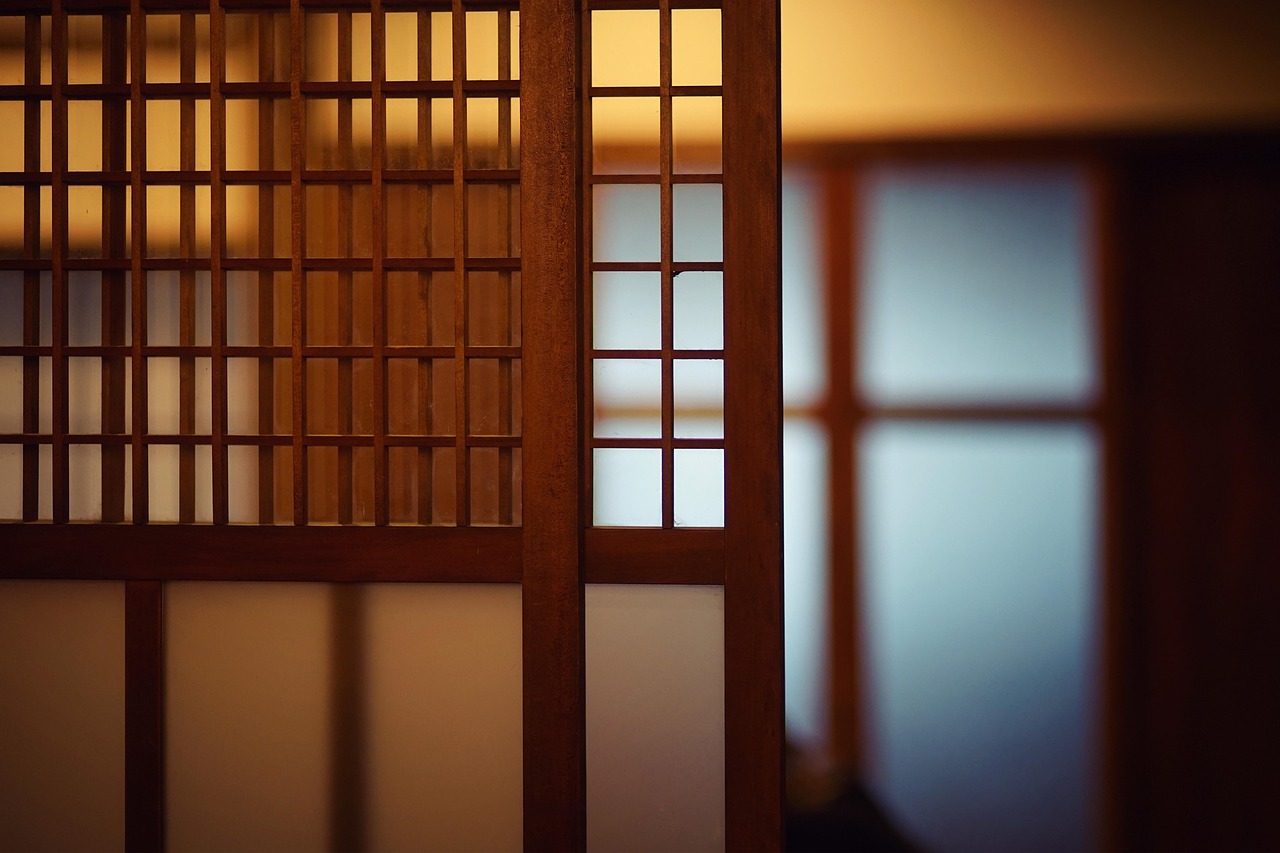
Most first-time visitors to Tokyo’s denim scene make the same mistake: heading straight for the biggest names without understanding the nuances that truly define Japanese craftsmanship. Tokyo’s denim stores are a world unto themselves, offering an unparalleled selection of meticulously crafted jeans, jackets, and accessories that transcend mere fashion.
Key Takeaways
- Tokyo offers a diverse denim landscape, from iconic heritage brands to niche artisan workshops and vintage finds.
- Understanding Japanese sizing, which often differs significantly from Western standards, is crucial for a successful purchase.
- Focus on specific districts like Shibuya, Harajuku, and Ueno, each offering a distinct shopping experience.
- Factor in the characteristics of raw (Sanforized) versus sanforized denim, especially regarding shrinkage and break-in.
- Use tax-free shopping for significant savings as an international visitor.
This guide cuts through the noise, providing a strategic approach to navigating the city’s legendary denim stores. You’ll learn how to identify genuine artisan pieces, decode Japanese sizing, and discover the specific neighborhoods where your next favorite pair of jeans awaits.
The Distinctive Allure of Japanese Denim
Japanese denim holds a revered status globally, primarily due to its unparalleled quality, unique weaving techniques, and the dedication to traditional craftsmanship. Unlike mass-produced denim, Japanese denim often uses vintage shuttle looms, producing the iconic selvedge edge and a distinct texture that evolves beautifully over time. The meticulous attention to detail, from the indigo dyeing process to the construction of the garment, sets it apart. Brands often source high-quality cotton, such as Zimbabwe cotton, known for its long staple fibers that contribute to durability and comfort. This commitment to heritage methods and material excellence is what draws enthusiasts to the denim stores in Tokyo, making each purchase a true investment rather than a fleeting trend.
Decoding Japanese Denim Sizing: A Crucial Step
One of the most common pitfalls for international visitors buying denim in Tokyo is misinterpreting sizing. Japanese brands often use their own sizing systems that don’t directly correlate with typical US or European waist sizes, even when numbers appear similar. For instance, a Japanese size 32 might equate to a Western 30 or even 29, especially with brands known for a slimmer fit. Plus, raw, Sanforized denim will shrink significantly after the first soak, demanding a strategic sizing up. Always measure your best-fitting jeans in centimeters (waist, inseam, thigh, knee, leg opening) before you go. This precision is invaluable, as relying solely on numerical labels can lead to disappointment. In my experience navigating Tokyo’s denim districts for years, knowing your exact measurements is the single most important piece of preparation.
Tokyo’s Denim Districts: Where to Explore
Tokyo isn’t just one sprawling denim hub; it’s a collection of distinct neighborhoods, each offering a unique flavor of denim shopping. Knowing where to focus your search can save considerable time and ensure you find exactly what you’re looking for. Shibuya and Harajuku: These areas are vibrant fashion centers, home to flagship stores for popular brands like Capital and Studio D’Artisan. You’ll find a mix of latest fashion and classic heritage pieces. Expect high energy and a broad selection, often with English-speaking staff members. Ueno (Ameyoko): For a more traditional, workwear-focused experience, Ueno’s Ameyoko market district is essential. Stores like Hinoya have been serving denim enthusiasts for decades, offering a curated selection of reputable Japanese and American heritage brands. It’s a fantastic spot for classic cuts and durable fabrics. Wakayama and Shimokitazawa: These neighborhoods offer a more boutique and vintage-oriented experience. Wakayama features upscale, often smaller shops with unique collections, while Shimokitazawa is a haven for vintage clothing, including rare denim finds. These areas are ideal for those seeking something truly unique or pre-loved.
Navigating Raw vs. Sanforized: Understanding Your Denim
Understanding the difference between raw (or loomstate) and sanforized denim is fundamental to making an informed purchase, especially for Japanese raw denim. Raw denim is unwashed, untreated, and will shrink significantly upon its first soak or wash—often by 5-10%. This shrinkage is part of the appeal, as it allows the denim to mold precisely to your body, creating unique fades over time. Sanforized denim, on the other hand, has been pre-shrunk during the manufacturing process, meaning minimal shrinkage post-wash and a more consistent fit from day one. Many premium Japanese brands offer both. If you’re new to raw denim, a sanforized pair might be a less intimidating entry point. However, the personalized fading journey of Sanforized denim is what many enthusiasts cherish. Always ask the staff about the denim’s treatment and expected shrinkage.
Beyond the Jeans: Denim Jackets and Accessories
While jeans are often the primary draw, Tokyo’s denim stores offer a complete range of denim products. Japanese denim jackets are equally coveted, featuring the same high-quality construction and unique indigo fades. Look for classic Type I, II, and III reproductions from brands like The Flat Head or Sugar Cane. Beyond apparel, you’ll discover denim bags, hats, wallets, and even shoes, all crafted with the same dedication to material and detail. These accessories provide an excellent opportunity to experience Japanese denim artistry at a lower price point or to complement a new pair of jeans. It’s not uncommon to find small leather goods made from denim scraps, showcasing ingenious recycling and craftsmanship.
How to Plan Your Denim Pilgrimage
A successful denim shopping trip in Tokyo requires careful planning. Start by researching specific brands and their flagship stores or authorized retailers in advance. Many brands have websites (often in English) that list their store locations and opening hours. Group stores by neighborhood to optimize your travel time; using Tokyo’s efficient subway system makes this easy. Consider visiting during weekdays to avoid weekend crowds, especially in popular areas like Harajuku. Always allocate ample time for trying on, as finding the perfect fit can take a while.
Key Considerations for Your Trip
| Feature | Raw Denim (Sanforized) | Sanforized Denim | Vintage Denim |
|---|---|---|---|
| Shrinkage | Significant (5-10%) | Minimal (2-3%) | Minimal to None |
| Break-in Period | Longer, initially stiff | Shorter, softer | Varies, often pre-broken |
| Fading Potential | High contrast, unique personal fades | Softer, more even fades | Pre-faded, unique character |
| Sizing Approach | Size up to account for shrinkage | Buy true to size | Buy true to size, check actual measurements |
| Cost (Average) | ¥25,000 – ¥50,000+ | ¥20,000 – ¥40,000 | ¥10,000 – ¥50,000+ (rare finds) |
Pros and Cons of Raw Denim
Pros
- Develops unique, personalized fades over time.
- Molds perfectly to the wearer’s body after break-in.
- Exceptional durability due to untouched fabric.
- A rewarding experience for denim enthusiasts.
Cons
- Can be stiff and uncomfortable initially.
- Requires careful initial soaking/washing to manage shrinkage.
- Indigo crocking (dye transfer) is common, especially on lighter surfaces.
- Longer break-in period before reaching maximum comfort.
Common Mistakes to Avoid When Shopping for Denim in Tokyo
Many shoppers, especially first-timers, fall into common traps when exploring denim stores in Tokyo. One major mistake is failing to bring accurate measurements of current jeans. Without these, you’re guessing, and Japanese sizing is too nuanced for guesswork. Another error is not trying on enough pairs. Different brands and cuts will fit drastically differently, even with similar measurements. Take your time, walk around the store, and sit down in the jeans to test comfort and movement. Don’t be afraid to ask for assistance; most premium denim stores have knowledgeable staff. Finally, neglecting to inquire about tax-free shopping is a missed opportunity. As of August 2026, international tourists spending over a certain amount (typically ¥5,000 for consumables or ¥5,000 for general goods, though subject to change) can usually claim a tax refund, which can significantly reduce the price of a high-end pair of jeans.
Expert Tips for a Successful Denim Hunt
For those serious about finding their perfect pair, a few expert insights can elevate your Tokyo denim adventure. First, consider the fabric weight, measured in ounces (oz). Lighter denim (10-14oz) is great for warmer weather and quicker break-in, while heavier denim (16oz+) offers extreme durability and dramatic fades, though it requires more patience to break in. This is a nuance often overlooked by casual shoppers. Secondly, don’t overlook the smaller, multi-brand boutiques. While flagships are great for brand-specific collections, stores like BEAMS Plus or United Arrows often carry curated selections from various top-tier Japanese denim makers, sometimes even exclusive collaborations. These are excellent places to discover brands you might not have encountered otherwise. Finally, engage with the staff. They are often incredibly passionate and knowledgeable about their products, offering insights into the history, fabric characteristics, and care instructions for each pair. Learning a few basic Japanese phrases like ‘kore wa Kura desu ka?’ (How much is this?) or ‘shichaku dekimasu ka?’ (Can I try this on?) can greatly enhance the experience, even if many staff speak some English.
Frequently Asked Questions
What are the most famous Japanese denim brands found in Tokyo?
Iconic brands like Capital, Studio D’Artisan, Iron Heart, Momotaro Jeans, Fullcount, and Pure Blue Japan are highly sought after. These brands are celebrated for their commitment to traditional weaving, unique indigo dyes, and exceptional durability, making them pillars of the Japanese denim scene.
How do I claim tax-free shopping in Tokyo?
Most large department stores and many independent denim retailers offer tax-free shopping for international tourists. You’ll need your passport, and purchases must meet a minimum value (check current regulations). The store will process the refund at the point of sale, or you may claim it at a dedicated counter. Keep all receipts and your passport handy.
Can I find vintage denim in Tokyo?
Absolutely. Areas like Shimokitazawa are particularly renowned for their vintage clothing stores, many of which stock excellent selections of vintage denim, including rare Levi’s, Lee, and Wrangler pieces, alongside older Japanese-made jeans. It requires patience to sift through, but the rewards can be significant.
What is the typical price range for premium Japanese denim in Tokyo?
For a high-quality pair of Japanese selvedge jeans, expect to pay anywhere from ¥20,000 to ¥50,000 (approximately $130-$330 USD as of August 2026), depending on the brand, fabric weight, and specific model. Artisan or limited-edition pieces can command higher prices, sometimes exceeding ¥70,000.
Are there denim repair services available in Tokyo?
Yes, many dedicated denim stores and specialized repair shops in Tokyo offer excellent repair services, often using vintage darning machines to restore jeans authentically. Some brands, like Momotaro, offer lifetime repair services for their products. Inquire directly at the store where you make your purchase.
How should I care for my new raw Japanese denim?
For raw denim, many enthusiasts advocate for minimal washing to achieve high-contrast fades. An initial could soak to remove starch and induce shrinkage is common. When washing is necessary, turn them inside out, wash in cold water with mild detergent, and air dry. Avoid machine drying to prevent excessive shrinkage and damage.
Conclusion: Your Tokyo Denim Adventure Awaits
Embarking on a denim hunt in Tokyo is more than just shopping; it’s an immersion into a culture of unparalleled craftsmanship and dedication. By understanding the nuances of Japanese sizing, exploring the right districts, and appreciating the difference between raw and sanforized denim, you’re set for a truly rewarding experience. Remember to prepare your measurements, ask questions, and take advantage of tax-free options. With these insights, you’re ready to find a pair of jeans that not only fits perfectly but tells a story of heritage and quality for years to come. Information current as of August 2026; pricing and product details may change.

Shopping & Style
Beyond ‘Near Me’: Finding NYC’s Truly Unique Gift Shops
Gift shops near me often reveal the usual suspects, but New York City hides a treasure trove of truly unique stores. Discover how to strategically search for and find the perfect, thoughtful gift that goes beyond the obvious.
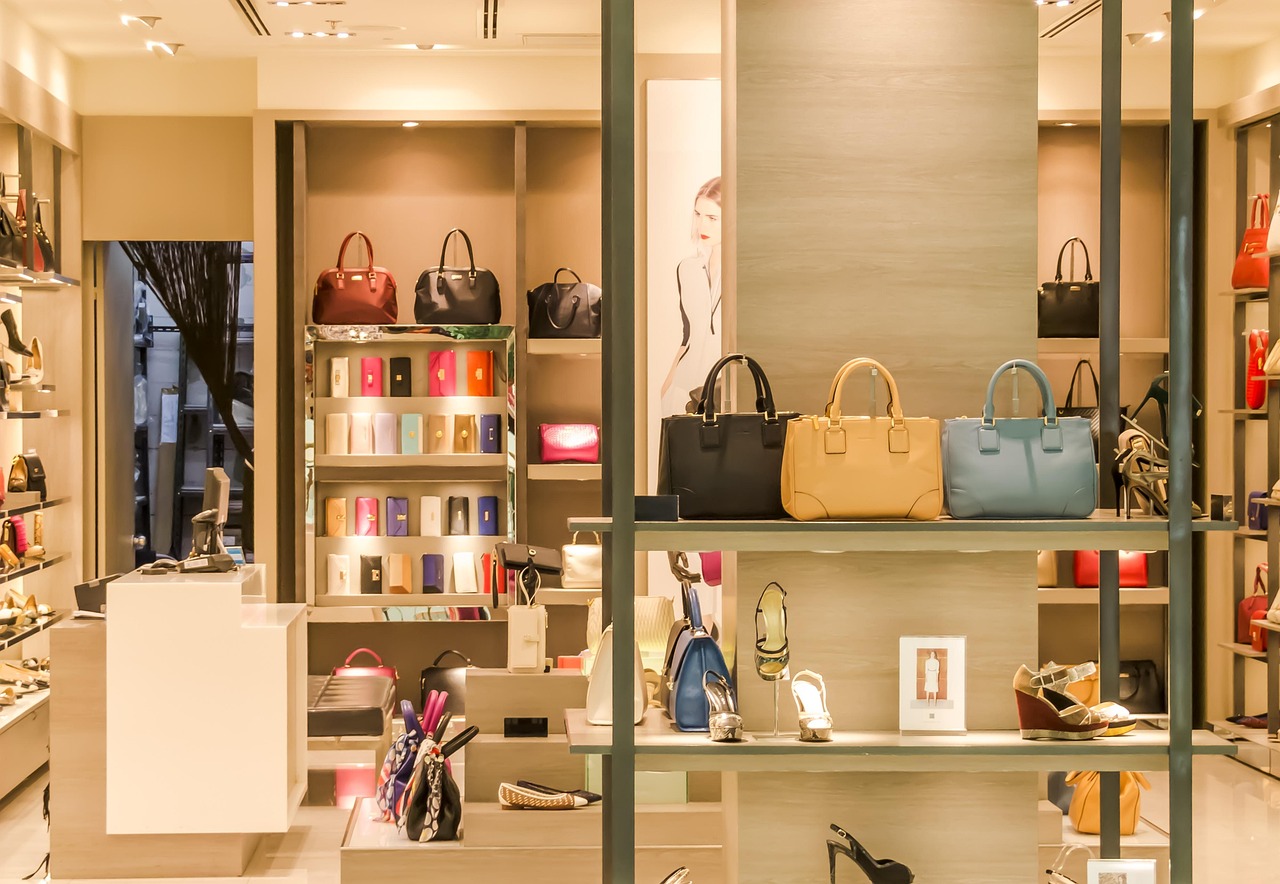
Sarah had a last-minute birthday gift to find, so she typed ‘gift shops near me’ into her phone, but what popped up were familiar chains and tourist traps, not the unique, thoughtful present she envisioned for her friend. It’s a common dilemma: when convenience dictates our search, we often miss the true gems especially in a city like New York. The best gift shops near me aren’t always the closest; sometimes, they’re a strategic subway ride away.
Key Takeaways
- Searching strategically by gift type or neighborhood often yields better results than proximity alone.
- NYC’s unique gift shops thrive in specific enclaves, offering everything from artisanal crafts to vintage treasures.
- Consider the recipient’s personality and the gift’s story to guide your search beyond the obvious.
- Support local businesses by exploring independent boutiques, which offer distinctive finds.
- Online shopping offers convenience, but in-person exploration provides discovery and supports local economies.
The “Near Me” Trap: Why Proximity Isn’t Always Priority
Relying solely on a “gift shops near me” search often leads to predictable results: pharmacies with greeting card aisles, mass-market retailers, or generic souvenir spots. While these serve a purpose for last-minute, emergency needs, they rarely deliver the kind of distinctive, memorable gift that truly resonates with someone who knows and loves New York. The issue isn’t the search itself, but the limited scope it imposes. New York City’s true character lies in its diverse, often hidden, independent retailers. These unique boutiques and specialty gift shops are where the city’s creative spirit shines, offering items you simply won’t find anywhere else. To truly find a thoughtful present, you need to think beyond the immediate block. Instead of merely looking for what’s closest, consider what kind of gift you’re seeking and, crucially, what type of local gift stores New York offers that align with that vision. This slight shift in perspective opens up a world of possibilities.
Mapping Your Mission: How to Strategically Search for Gifts in NYC
Finding the perfect gift in a city as vast as New York requires a more deliberate approach than a quick localized search. Start by defining your gift’s intent and the recipient’s interests, then map your search accordingly.
- Identify the Gift Category: Are you looking for artisanal food, vintage home decor, bespoke jewelry, a rare book, or something else entirely? Knowing this narrows your focus significantly.
- Consider the Neighborhood Vibe: Different NYC neighborhoods specialize in different types of shopping experiences. The Lower East Side is known for indie fashion and art, while the West Village offers charming literary finds.
- Use Specific Search Terms: Instead of “gift shops near me,” try “artisanal candles Brooklyn” or “unique stationary Manhattan.” This directly targets your desired outcome.
- Explore Curated Lists and Local Blogs: Websites like East End Tavern NYC often highlight local businesses and unique shopping experiences. Look for articles that examine niche markets more deeply rather than broad summaries.
- Check Local Markets and Pop-Ups: Seasonal markets (e.g., Bryant Park Winter Village, Chelsea Market) and weekend pop-ups are fantastic for discovering local artisans and one-of-a-kind items.

NYC’s Gift Shop Ecosystem: From Boutique to Bazaar
New York’s retail world is a rich tapestry, offering a spectrum of gift-buying experiences. Understanding these categories can guide your search for unique gifts NYC provides.
- Independent Boutiques: These are the backbone of thoughtful gifting. They’re often family-owned or run by passionate curators, they offer hand-picked items, local crafts, and a personalized shopping experience. Think of establishments like a small design shop in the East Village or a carefully stocked jewelry store in SoHo.
- Museum and Gallery Shops: Far from mere tourist traps, many of NYC’s museum shops (e.g., MoMA Design Store, The Met Store) offer high-quality, art-inspired items, books, and unique home goods that reflect the institution’s collection.
- Specialty Stores: These hyper-focused shops cater to specific interests from dedicated comic book stores and vintage record shops to gourmet food emporiums and rare plant nurseries. They are perfect for recipients with distinct hobbies.
- Food Markets & Delis: For the foodie in your life, places like Chelsea Market or Nataly Flatiron offer an incredible array of gourmet provisions, local delicacies, and beautifully packaged treats that make for excellent gifts.
- Pop-Up Shops & Seasonal Markets: These temporary retail experiences are dynamic hubs for emerging designers and artisans. They’re excellent for discovering latest trends and supporting new local talent. For surface-material comparisons, see.
Unearthing Treasures: Niche Gift Shops for Every Personality
To really impress, match the gift shop to the recipient’s unique flair. New York excels in niche experiences, offering tailored shopping adventures for every interest.
- For the Bookworm: The West Village, with its charming, winding streets, is home to literary gems like McNally Jackson Books or Three Lives & Company, where you can find curated fiction, non-fiction, and thoughtful literary accessories.
- For the Design Enthusiast: Explore the Lower East Side for independent design boutiques such as Coming Soon or Picture Room, offering avant-garde home goods, art prints, and unique furnishings.
- For the Foodie: Head to the Flatiron District for Nataly or Kalustyan’s for spices and international ingredients. Alternatively, a walk through Brooklyn’s Smorgasbord (seasonal) can yield gourmet food gifts from local vendors.
- For the Vintage Lover: Bushwick and Williamsburg in Brooklyn are hotbeds for vintage clothing, furniture, and antique shops. Think Beacon’s Closet or local flea markets for one-of-a-kind finds.
- For the Self-Care Advocate: Many independent shops, particularly in areas like Lolita or Greenwich Village, specialize in handmade soaps, artisanal candles, and natural beauty products, offering thoughtful presents NYC residents appreciate.
Shopping Online vs. In-Person for Unique Gifts
In today’s retail landscape, both online and physical stores vie for your attention. When seeking truly unique gifts, understanding the trade-offs is crucial.
| Feature | Online Shopping (for Unique Gifts) | In-Person Shopping (for Unique Gifts) |
|---|---|---|
| Convenience | 24/7 access, delivered to your door. | Requires travel, limited store hours. |
| Discovery | Algorithm-driven suggestions, broader global inventory. | serendipitous finds, local artisan support. |
| Tangibility | Photos and descriptions only; can’t touch or feel. | Physical interaction, assess quality firsthand. |
| Local Impact | Often supports larger distributors or global brands. | Directly supports local businesses and NYC economy. |
| Experience | Transactional, efficient; can feel impersonal. | Sensory, social, often a joyful part of the gift-giving process. |
The Art of the Thoughtful Find: What Makes a Gift Truly Special?
A truly special gift isn’t about its price tag or its proximity to your home; it’s about the connection it fosters. In my years exploring New York’s diverse retail landscape, I’ve noticed that the most cherished gifts often tell a story. Perhaps it’s a handmade ceramic mug from a local Brooklyn artist, embodying the city’s craft culture. Or a vintage subway token repurposed into a keychain, sparking nostalgia for a specific era. These items carry narrative weight, transforming a simple present into a cherished memory. The information gain here is that the ‘story’ of the gift’s often more important than the gift itself. This means looking for items with provenance, whether it’s the artist’s journey, the material’s origin, or a connection to a shared experience. Consider what you want the gift to communicate beyond just its utility or aesthetic.
Common Pitfalls When Gift Hunting in the City
Even with the best intentions, gift shopping in NYC can present its challenges. Avoiding these common mistakes can save you time, money, and frustration.
Pros of Strategic Gift Hunting
- Unique Finds: Discover items not available in chain stores.
- Supports Local Economy: Direct impact on NYC’s small businesses.
- Personalized Experience: Interact with passionate shop owners and artisans.
- Higher Quality: Often handcrafted or ethically sourced goods.
- Memorable Story: The gift itself carries a unique narrative.
Cons of Hyper-Local or Last-Minute Searches
- Limited Options: A narrow geographic search restricts variety.
- Tourist Traps: Risk of overpaying for generic souvenirs.
- Lack of Specificity: General searches rarely yield highly specialized items.
- Time Pressure: Last-minute hunts increase stress and reduce thoughtful choices.
- Missing the Best: Overlooking truly special shops just a few blocks away.
Expert Tips for a Memorable Gifting Experience
Elevating a gift from ordinary to extraordinary often comes down to the details and the approach. Here are some insights from extensive experience navigating NYC’s gifting scene.
- Start with the Recipient, Not the Location: Before you even type “gift shops near me” into your browser, jot down three things your recipient loves, their hobbies, and any inside jokes you share. This personal blueprint is your most valuable tool.
- Embrace Exploration: Treat gift hunting as an adventure. Wander through neighborhoods like the West Village or the Lower East Side without a rigid agenda. You’ll often stumble upon the most delightful and unexpected finds. For more on local exploration, explore.
- Ask for Recommendations: Don’t hesitate to ask local business owners or even your bartender at East End Tavern NYC for their favorite local gift shops. They often have insider knowledge about hidden gems.
- Consider the Presentation: A beautifully wrapped gift, perhaps with a handwritten card and a small, thoughtful embellishment, significantly enhances its perceived value and the joy of receiving it.
- Think Beyond the Item: Sometimes, the best gift is an experience. A gift certificate to a local cooking class, a walking tour, or tickets to a small theater production can be far more impactful than a physical object.

Frequently Asked Questions
How do I find unique gift shops in NYC?
To find unique gift shops, look beyond broad searches. Focus on specific neighborhoods known for independent retailers like the East Village, West Village, or Lower East Side. Use targeted search terms for item types (e.g., “handmade jewelry NYC”) and explore local blogs or specialty retail guides for curated recommendations.
What neighborhoods in NYC are best for gift shopping?
For diverse and unique gift shopping, consider the Lower East Side for indie boutiques, the West Village for charming literary and home goods stores, Lolita for fashion and artisanal crafts, and specific areas of Brooklyn like Williamsburg or Bushwick for vintage finds and local makers’ markets. These areas offer a dense collection of independent shops.
Are there sustainable gift shops in New York?
Yes, New York City has a growing number of sustainable gift shops. Look for stores specializing in upcycled goods, ethically sourced products, or environmentally friendly brands. Many independent boutiques in Brooklyn and parts of Manhattan prioritize sustainability, often highlighting their practices and product origins.
How can I support local NYC businesses when buying gifts?
Supporting local businesses means actively seeking out independent boutiques, artisanal markets, and community-focused shops rather than defaulting to large chains. Purchase directly from local makers, engage with shop owners, and spread the word about your favorite discoveries. Every local purchase contributes directly to the city’s unique character and economy.
What kind of budget should I expect for unique gifts in NYC?
The budget for unique gifts in NYC can vary widely. You can find thoughtful, small items from local artisans for $20-$50. Mid-range unique gifts, like artisanal home goods or bespoke accessories, often fall between $50-$150. High-end, custom, or designer pieces can range from $200 upwards. It’s about value and thoughtfulness, not just price.
How do I avoid tourist traps when looking for gift shops near me?
To avoid tourist traps, steer clear of generic souvenir shops in high-traffic tourist zones like Times Square or Herald Square. Instead, venture into residential neighborhoods, browse local fashion and design districts, and cross-reference potential shops with reviews that highlight authenticity and local appeal. Genuine local gift stores New York offers are distinct.
Finally
While the convenience of searching for “gift shops near me” is undeniable, true gifting in New York City demands a more discerning eye. By shifting your approach from mere proximity to thoughtful intention and strategic exploration, you unlock a world of unique, locally sourced treasures. Ultimately, the best gift is one that carries meaning, tells a story, and reflects both the giver and the receiver. Next time you’re on the hunt, consider the journey as part of the gift itself explore a new neighborhood, chat with a local shop owner, and find that truly special something that only NYC can offer. Your actionable takeaway: start your next gift hunt by choosing a specific NYC neighborhood known for independent boutiques, rather than just relying on the closest option. Information current as of August 2026; pricing and product details may change.

Where Was The Pitt Filmed? Unpacking Pittsburgh’s Starring Role

Croatia’s Top Destinations: Beyond the Postcard

Your Guide to Things to Do in Los Angeles

Hannah Pham: The Unseen Architect Behind the Spotlight

Sonny’s Kitchen Barnes: A London Gem for NYC Foodies

Epstein Bed and Breakfast Liverpool: Your Deep Dive into
-
 City Living3 weeks ago
Hannah Pham: The Unseen Architect Behind the Spotlight
-
 Food & Restaurants4 weeks ago
Sonny’s Kitchen Barnes: A London Gem for NYC Foodies
-
 Travel & Day Trips3 weeks ago
Epstein Bed and Breakfast Liverpool: Your Deep Dive into
-
 Food & Restaurants3 weeks ago
Finding Your Perfect Bowl: Ramen Near Me in NYC’s East End
-

 Travel & Day Trips3 weeks ago
Tour a Canaima: Journey to Angel Falls
-
 Food & Restaurants4 weeks ago
North End Grill Battery Park: Reimagining Dining After
-

 Food & Restaurants4 weeks ago
Portland’s Coffee Comeback: Finding the Best Cafes in the Rose City
-

 Food & Restaurants4 weeks ago
Uncovering Authentic Mexican Restaurants in NYC