
Bars & Nightlife
Uncorking NYC: Avoiding Common Brewery Visit Mistakes Near You
Looking for breweries near me often leads to a quick search, but without proper planning, you might miss out. This guide helps you avoid common mistakes for a truly rewarding craft beer experience in NYC.

Sarah decided to spontaneously visit a highly-rated brewery she found by searching for “breweries near me” one Tuesday afternoon. She arrived only to find it closed, realizing too late that many smaller craft breweries operate on limited schedules, especially midweek. This common oversight can quickly turn an exciting outing into a frustrating experience.
- Always verify brewery operating hours, especially for smaller establishments that might have limited midweek schedules.
- Confirm family and pet policies beforehand; not all breweries are suitable for children or welcome animals.
- Research food options and outside food policies to avoid hunger or unexpected restrictions during your visit.
- Plan transportation and parking in advance, as many NYC breweries are in areas with limited vehicle access.
- Consider making reservations or arriving early for popular breweries, particularly on weekends.
Navigating the NYC Brewery Landscape
New York City’s craft beer scene is diverse, featuring everything from expansive production facilities with bustling taprooms to intimate nanobreweries tucked away in industrial corners. Each offers a unique atmosphere and a distinct range of beers, from crisp lagers to experimental sours and solid IPAs. Understanding this variety is the first step to avoiding common pitfalls. Many newer establishments, particularly those focusing on niche styles or hyper-local ingredients, often operate with lean staffing and specific opening hours. This contrasts sharply with larger, more established breweries that might offer daily extended hours and a broader range of amenities. As of July 2026, the local brewing industry continues to expand, with new microbreweries and brewpubs regularly opening across the boroughs. According to the Brewers Association, New York ranks high in the number of craft breweries, reflecting a vibrant and competitive market.
Mistake #1: Overlooking Operating Hours and Days
One of the most frequent frustrations for impromptu brewery visitors is arriving only to find the doors locked. Many craft breweries, especially the smaller ones, don’t operate seven days a week or have extensive evening hours during weekdays. Their focus might be on production during off-hours, reserving taproom service for peak times. For instance, a charming nanobrewery in Queens might only open its taproom from Thursday evening to Sunday. Showing up on a Monday expecting a flight would lead to disappointment. Always check the brewery’s official website or social media for their most current hours before heading out. A practical insight here is to cross-reference hours with local event listings. Sometimes, a brewery might have special hours for a private event or a public release, which could impact general access. This is particularly true for independent operators who prioritize flexibility.
Mistake #2: Assuming Family-Friendly or Pet-Welcoming Status
While many modern breweries aim to be community hubs, not all are designed to accommodate children or pets. Some establishments, particularly those focused on a bar-like atmosphere, may have age restrictions or lack facilities for families. Similarly, health codes or space limitations might prevent pets from entering the indoor taproom areas. Imagine taking your golden retriever to a cozy, indoor-only brewpub in the East Village, only to be politely turned away. This is a common scenario. Always look for explicit policies on their website regarding children and pets, often under an FAQ or ‘About Us’ section. Breweries with outdoor beer gardens or patios are more likely to be pet-friendly. This applies especially to areas like the East End, where space can be at a premium. A quick call or website check can save you a wasted trip with your furry friend or little ones. Look for phrases like “dogs welcome on patio” or “21+ after 6 PM.”
Mistake #3: Neglecting Food Options and Outside Policies
It’s easy to assume that all breweries offer a full food menu, or at least a selection of snacks. However, many smaller breweries focus solely on their beer production and might only offer pre-packaged snacks or rely on rotating food trucks. Conversely, some breweries might have strict policies against outside food, even if they don’t serve any themselves. Consider a visit to an industrial-chic brewery in Bushwick. You arrive hungry, expecting dinner, but find only pretzels and jerky. You’re then told you can’t order delivery to the taproom. To avoid this, research their food situation. Do they have a kitchen? Do they partner with specific food trucks? Or are they entirely BYOF (Bring Your Own Food)? Knowing this upfront allows you to plan accordingly, whether it’s grabbing a bite before your visit or choosing a brewery specifically known for its culinary offerings. Many brewpubs, unlike traditional breweries, are built around a full dining experience.
Mistake #4: Underestimating Transportation and Parking Challenges
NYC is renowned for its public transport, but many breweries, particularly those in industrial zones or emerging neighborhoods, might not be directly adjacent to a subway stop. For those driving, parking can be a nightmare, with limited street parking and expensive garages. A common mistake is assuming you can easily drive to a popular brewery in Long Island City on a Saturday afternoon and find a spot. The reality is often a frustrating loop of full streets and prohibitive parking costs. Plan your route using public transport apps like Citymapper or Google Maps, and if driving, research parking garages in advance. Use ride-sharing services if you plan on sampling multiple beers, ensuring a safe and stress-free journey. For those exploring breweries further afield, such as in upstate New York (a common day trip), understanding train or bus schedules becomes crucial. Check out the MTA website for current subway and bus routes. According to the MTA (2026), service changes can occur, so always verify your route.
Mistake #5: Skipping Reservations or Peak Time Planning
Popular breweries, especially those with unique offerings or a cozy atmosphere, can fill up quickly, particularly on weekend evenings or during special events. Walking in with a large group without a reservation can lead to long waits or being turned away entirely. Picture trying to celebrate a friend’s birthday at a trendy Brooklyn brewery on a Friday night, only to find a two-hour wait and no available tables. Always check if the brewery accepts reservations, especially for groups larger than four. Even if they don’t, planning to arrive earlier in the day on weekends can secure you a spot before the crowds descend. This is particularly relevant for brewery tours or tasting experiences that might have limited capacity and specific start times. Check the brewery’s website for any booking systems or recommended arrival times. Don’t let a lack of planning diminish your experience when exploring breweries near me.
Mistake #6: Sticking to Your Comfort Zone – The Craft Beer Adventure
Many visitors have a favorite beer style – an IPA enthusiast, for example, might exclusively order IPAs. While there’s nothing wrong with enjoying what you love, sticking solely to your comfort zone means missing out on the vast array of innovative brews that craft breweries are known for. It’s a missed opportunity for discovery. A unique insight here is to engage with the taproom staff. They are often incredibly knowledgeable about their beers, brewing processes, and can offer personalized recommendations based on your preferences. Ask for a sample of something new, or try a flight that includes a variety of styles you wouldn’t normally consider. For example, if you typically drink lagers, ask for a local pilsner or even a sour ale with fruit notes. You might discover a new favorite. The East End Tavern NYC encourages patrons to explore new tastes, a philosophy that extends perfectly to the local brewery scene.
How to Smartly Plan Your Next Brewery Visit
A well-planned brewery visit enhances the experience significantly. Here’s a step-by-step approach to ensure you avoid the common pitfalls and fully enjoy the local craft beer scene:
- Research Breweries: Start by searching for “breweries near me” and then narrow down options based on location, beer styles, and amenities. Look beyond the first few results to uncover hidden gems.
- Check Operating Details: Verify hours, days of operation, and any special event schedules on the brewery’s official website or social media. Confirm policies regarding children and pets.
- Assess Food Options: Determine if they have a kitchen, food trucks, or allow outside food. Plan your meals accordingly to avoid hunger or disappointment.
- Plan Transportation: Decide if you’ll use public transport, ride-sharing, or drive. Research routes, schedules, and parking availability beforehand.
- Consider Reservations: If visiting during peak hours or with a group, check if reservations are needed or recommended. Arrive early if not.
- Diversify Your Tastes: Be open to trying new beer styles. Order a flight or ask staff for recommendations to expand your palate.
- Budget for Extras: Factor in costs for merchandise, growler fills, or cans to take home.
By following these steps, you transform a simple search into a well-curated adventure, ensuring a smooth and enjoyable visit to any of the fantastic breweries near me in NYC.
Real-World Examples: East End Brewery Insights
In my decade working within NYC’s vibrant nightlife scene, I’ve seen countless successful brewery outings and a few that fell flat due to common oversights. Take the case of Finback Brewery in Queens. Known for its innovative IPAs and sours, it’s a popular spot. Many visitors, however, arrive unaware that its food offerings are typically limited to food trucks, which vary daily. A quick check of their Instagram or website usually lists the day’s truck, preventing a hungry surprise. Another example is Brooklyn Brewery in Williamsburg. While a large and well-established destination, its weekend tours often book up weeks in advance, especially in 2026 with renewed interest in local tourism. Showing up hoping for an immediate tour is a frequent mistake. Pre-booking online is essential for that specific experience, though the taproom is generally open for walk-ins. For a more intimate experience, consider a spot like Wild East Brewing Co. In Gowanus. They often host themed trivia nights or specific beer releases. Missing these events means missing a unique aspect of their offerings. Always check their events calendar.
Pros and Cons of Visiting Smaller vs. Larger Breweries
The choice between a quaint nanobrewery and a sprawling production facility comes with distinct advantages and disadvantages.
Pros
- Smaller Breweries: Offer unique, experimental, and limited-batch beers; often more intimate atmosphere; direct interaction with brewers; strong community feel.
- Larger Breweries: Wider selection of core beers; more consistent availability; often better food menus or dedicated restaurants; more extensive facilities (e.g., dedicated event spaces, larger outdoor areas); professional tours.
Cons
- Smaller Breweries: Limited operating hours; fewer food options; less seating capacity; potentially harder to find (off-the-beaten-path locations); fewer non-beer options.
- Larger Breweries: Can feel less intimate or personal; may focus on broader appeal over experimental styles; can be more crowded, especially on weekends; parking may be more challenging in urban settings.
Expert Tips for a Rewarding Brewery Experience
Beyond avoiding common mistakes, a few expert tips can elevate your brewery visit. Firstly, consider a weekday visit if your schedule allows. Many breweries are significantly less crowded, offering a more relaxed atmosphere and more attentive staff interaction. This is ideal for asking questions and learning about the brewing process without the weekend rush. Secondly, don’t be afraid to ask for recommendations. Taproom staff are often passionate about their craft and can guide you to a beer perfectly suited to your palate, even if it’s not a style you typically order. They can also offer insights into upcoming releases or local events. This direct engagement often leads to a more memorable experience. Finally, support local beyond just drinking. Many breweries offer merchandise, from t-shirts to glassware, and sell cans or growlers to take home. This helps sustain the local business and allows you to enjoy their brews in the comfort of your home. It’s a great way to extend the experience and share your discoveries with friends.
Frequently Asked Questions
What’s the difference between a brewery and a brewpub?
A brewery primarily focuses on producing beer for distribution, though many have taprooms. A brewpub, however, is a restaurant that brews its own beer on-site, with the beer sales typically integrated with a full food menu. Both offer unique experiences, but brewpubs generally prioritize the dining aspect.
Are most NYC breweries dog-friendly?
It varies significantly. While many breweries with outdoor seating or beer gardens welcome dogs, indoor taprooms often have restrictions due to health codes or space limitations. Always check the individual brewery’s policy on their website or call ahead to confirm.
Do I need reservations for breweries near me in NYC?
For most casual visits to a taproom, reservations aren’t strictly required, especially during weekdays. However, for popular breweries on weekend evenings, large groups, or specific tours and events, making a reservation is highly recommended to avoid long waits or disappointment.
What should I wear to a brewery?
Breweries typically have a casual, relaxed atmosphere, so comfortable clothing is ideal. There’s no strict dress code, but layers can be useful as temperatures might vary between indoor and outdoor spaces, or even within a large taproom. Think comfortable and practical.
Can I bring my own food to NYC breweries?
This depends entirely on the brewery’s policy. Some smaller breweries with no kitchen or food trucks might allow outside food, while others with their own kitchen or dedicated food partners will strictly prohibit it. Always check their website or inquire directly before bringing any food.
How do I find out about new beer releases?
The best way to stay updated on new beer releases is to follow your favorite breweries on social media, sign up for their newsletters, or check their websites regularly. Many also use platforms like Untapped to announce new brews and events. Local craft beer blogs and forums are also great resources.
Conclusion
Exploring the dynamic world of breweries near me in NYC is a rewarding experience, offering a chance to discover unique flavors and vibrant community spaces. By being aware of common mistakes – from overlooking hours to neglecting food options or transportation – you can transform a simple search into a perfectly planned outing. Take the time to research, engage with the local scene, and most importantly, be open to new tastes. Your next great beer adventure awaits. Information current as of July 2026; pricing and product details may change.






Bars & Nightlife
Chicago VIP Gentlemen’s Clubs: Packages & Planning
Securing a VIP gentlemen’s club experience in Chicago can elevate any special occasion, from corporate events to bachelor parties. This guide explores packages, costs, and essential tips for a seamless, premium night out.
Planning a high-stakes client dinner or a memorable bachelor party in Chicago often means aiming for an experience that stands out. Securing a VIP gentlemen’s club experience in Chicago can transform a regular night into an exclusive, well-orchestrated event, offering more than just entertainment but also privacy, dedicated service, and bespoke amenities.
Key Takeaways
- Chicago’s top gentlemen’s clubs offer diverse VIP packages, typically ranging from $375 to over $1,500, with varying inclusions like bottle service and private rooms.
- Research specific venues like Rick’s, Polekatz, or Déjà vu to match their offerings to your group’s size, budget, and desired level of exclusivity.
- Booking VIP services often involves a dedicated concierge or VIP host who can customize packages for events like bachelor parties or corporate outings.
- Private rooms provide unparalleled discretion and personalized entertainment, while VIP table service offers prime seating with dedicated attention in the main club area.
- Always confirm inclusions, gratuity policies, and dress codes in advance to ensure a smooth, transparent, and enjoyable luxury adult entertainment Chicago experience.
What Defines a VIP Gentlemen’s Club Experience in Chicago?
A VIP gentlemen’s club experience in Chicago goes far beyond standard entry, offering enhanced service, exclusivity, and often, privacy. It’s about a curated evening where your comfort and entertainment are prioritized, whether for a small group or a significant celebration. This typically includes dedicated seating, expedited entry, and access to private or semi-private areas. The focus shifts from general admission to a personalized, high-touch hospitality model. For instance, a VIP guest might bypass general queues, be escorted to a prime table, and have a personal server dedicated to their group’s needs throughout the night. This level of attention ensures a smooth and impressive Chicago VIP clubs outing.
Navigating Chicago’s Premier Gentlemen’s Clubs for VIP Services
Chicago boasts several venues known for their premium nightlife offerings, each with its unique flavor and VIP structure. Understanding these differences is key to choosing the right fit for your event. For example, Rick’s Gentlemen’s Club is well-regarded for its structured VIP packages, detailed clearly on their website rickschicago.com, offering various tiers of bottle service and discounted spend options. Polekatz Chicago, located in nearby Bridgeview, focuses on private parties and custom-built experiences, ideal for larger groups or bachelor parties, as highlighted on their site. Meanwhile, Déjà vu Showgirls in Chicago offers a BYOB model for their 21+ totally nude experience, a unique option for those looking for a different kind of luxury adult entertainment Chicago, often with specific VIP sections or private rooms available upon inquiry.
Decoding VIP Packages: Understanding the Value Proposition
The core of any vip gentlemen chicago offering lies in its packages. These are designed to provide a complete experience at a set price, often including perks like bottle service, cover charges, and dedicated staff. Rick’s Gentlemen’s Club, for instance, offers packages such as ‘The Single Bottle Package’ at $375, which typically includes a specific bottle and a percentage discount on additional spend. Their ‘Luxury Discounted Spend’ at $750 offers a higher spend credit and a 35% discount, while ‘The Triple Bottle Package’ can reach $1,200. These packages often represent significant savings compared to ordering à la carte, with some offering up to 41% off regular prices, making them a smart choice for groups looking for gentlemen’s club packages Chicago. The key is understanding what each tier truly offers in terms of value and flexibility.
The Art of Booking: Securing Your Elite Experience
Booking a VIP experience is more than just making a reservation; it’s about clear communication and setting expectations. Most premier venues have a dedicated VIP host or concierge who handles inquiries and arrangements. Contacting the club directly via phone or email is usually the best approach. Rick’s, for instance, provides a 24/7 contact number at (888) 765-6768 and an email for custom package options. This direct line ensures that specific requests, such as seating preferences or special event considerations, are addressed effectively. Always aim to book well in advance, especially for weekend nights or major events. This guarantees availability and allows time for any customizations, securing your private VIP experiences Chicago without last-minute stress.
Private Rooms vs. Table Service: Tailoring Your VIP Setting
The choice between a private room and VIP table service depends heavily on your group’s size, desired privacy level, and interaction preferences. Both offer distinct advantages for a premium nightlife Chicago experience. Private rooms, as described in reviews for clubs like Vip’s Gentlemen’s Club at 1531 N Kingsbury St, provide an intimate and discreet environment. They are ideal for focused entertainment, business discussions, or celebrations where complete privacy is paramount. These rooms often come with dedicated servers and entertainers, ensuring an uninterrupted experience. On the other hand, VIP table service places your group in a prime location within the main club area, offering excellent views of the stage and a vibrant atmosphere. You still receive dedicated bottle service and personal attention, but within the energetic pulse of the entire venue. This option is perfect for those who want to be part of the club’s energy while still enjoying exclusive service.
Planning for Groups: Bachelor Parties and Corporate Events
For special occasions like bachelor parties or corporate outings, a vip gentlemen chicago package can be a major shift. These events often require meticulous planning to ensure everything runs smoothly. When planning a luxury bachelor party in Chicago, consider packages that bundle bottle service, cover charges, and perhaps even a dedicated host for the evening. Polekatz Chicago excels in building custom experiences tailored to group sizes and preferences, with package tiers starting from around $300 for basic party entry up to $1,199 for more complete setups, as of 2026. For corporate events, discretion and a professional yet entertaining environment are key. Many clubs can arrange for separate entrances or discreet sections. Always discuss your specific needs with the VIP manager, including any requirements for a more subdued atmosphere or particular entertainment requests.
Beyond the Price Tag: Etiquette and Expectations in VIP Settings
While VIP access secures a premium experience, understanding the unwritten rules of etiquette can enhance your night significantly. A key aspect is respecting the performers and staff, recognizing their role in providing a high-quality experience. Gratuity is also a crucial consideration. Many VIP packages may not explicitly include tips for entertainers or dedicated servers, so budgeting for this separately is important. A common practice is to tip generously for exceptional service, reflecting the high-end nature of the experience. Maintaining a respectful and appropriate demeanor is expected. While it’s a place for enjoyment, rowdy or disrespectful behavior can quickly detract from the exclusive club service Chicago aims to provide, impacting not only your experience but also that of other guests.
Common Pitfalls to Avoid When Opting for VIP Service
Even with meticulous planning, certain mistakes can diminish a VIP experience. One common pitfall is failing to confirm all package inclusions and exclusions beforehand. Assuming gratuity is included, or that specific entertainers will be available, can lead to misunderstandings and unexpected costs. Always get a clear breakdown of what you’re paying for and what additional expenses might arise, particularly for a Chicago strip club VIP visit. Another mistake is underestimating the importance of booking in advance. Walking in on a busy Saturday night expecting immediate VIP access is often unrealistic, especially for larger groups. This can result in disappointment or having to settle for a less desirable package.
Expert Tips for a Flawless Chicago VIP Night
To truly maximize your vip gentlemen chicago experience, a few insider tips can make a significant difference. First, communicate your group’s specific preferences and budget clearly to the VIP host during booking. If planning a bachelor party, explicitly state this, as many clubs offer specialized bachelor party packages or dedicated hosts for such events. For instance, some venues might include a complimentary toast or a special stage introduction for the groom-to-be. Consider visiting during off-peak hours for a more relaxed experience if exclusivity without the crowd is your priority. Alternatively, for high-energy nights, ensure your booking clearly specifies a desired table location or private room, especially if you have a larger party. Our experience suggests that confirming these details in writing can avoid any confusion on arrival.
Frequently Asked Questions
What does a typical VIP package at a Chicago gentlemen’s club include?
A typical VIP package often includes expedited entry, dedicated table or private room access, bottle service with mixers, a set spending credit, and a dedicated server. Some may also waive cover charges for the entire group and offer specific discounts on additional purchases.
How much should I expect to pay for VIP service?
Prices for VIP service in Chicago vary widely depending on the club, package inclusions, and night of the week. Basic packages might start around $375, while more elaborate options, including multiple bottles and private rooms, can range from $750 to over $1,500 as of July 2026.
Do I need to book VIP service in advance?
Yes, booking VIP service in advance is highly recommended, especially for weekends, holidays, or special events like bachelor parties. This ensures availability, allows for customization, and often provides a smoother entry process upon arrival.
Are private rooms really worth the extra cost?
For groups seeking maximum privacy, discretion, and a highly personalized experience, private rooms are often worth the additional cost. They offer a secluded environment for entertainment and conversation, making them ideal for corporate outings or intimate celebrations.
What is the dress code for VIP sections in Chicago gentlemen’s clubs?
While many clubs have a relaxed dress code, for VIP sections, a smart-casual or business-casual attire is generally expected. Avoid overly casual wear like athletic shorts, flip-flops, or excessively baggy clothing to ensure a smooth entry and comfortable experience.
Can I customize a VIP package for a specific event?
Absolutely. Most premier gentlemen’s clubs in Chicago are accustomed to customizing VIP packages for various events, including bachelor parties, birthdays, or corporate gatherings. It’s best to communicate your specific needs and preferences directly with their VIP booking team.
Conclusion
Navigating the world of vip gentlemen chicago experiences offers a pathway to an elevated night out, whether for celebration or business. By understanding the nuances of available packages, planning meticulously, and communicating clearly with venues, you can secure an exclusive, memorable, and hassle-free evening. Always prioritize transparency in booking and a clear understanding of what your chosen package truly entails, ensuring your premium Chicago clubs visit lives up to every expectation. Information current as of July 2026; pricing and product details may change.




Bars & Nightlife
Chicago’s Coolest Drinking Spots: Your Guide to Unforgettable Bars
Looking for cool places to drink in Chicago? This guide covers everything from iconic speakeasies and stunning rooftop bars to vibrant neighborhood pubs, ensuring an unforgettable experience in the Windy City’s diverse nightlife.
Sarah, a regular at East End Tavern NYC, recently asked about where to find cool places to drink in Chicago, seeking venues that capture the city’s unique spirit beyond typical tourist spots. While New York boasts its own legendary bar scene, Chicago offers a distinct blend of historic charm, innovative mixology, and breathtaking views that truly sets it apart.
- Chicago’s drinking scene is highly diverse, featuring everything from Prohibition-era speakeasies to modern craft cocktail lounges and vibrant breweries.
- Key neighborhoods for bar hopping include River North, West Loop, Logan Square, and Old Town, each offering a distinct vibe.
- Reservations are highly recommended for popular cocktail bars and rooftop venues, especially on weekends.
- Seek out establishments known for their historical significance, unique themes, or exceptional mixology programs for a truly memorable experience.
- Don’t overlook local breweries and dive bars for a more casual, authentic Chicago drinking adventure.
The Allure of Chicago’s Cocktail Culture
Chicago’s cocktail scene is a dynamic tapestry, continually evolving while deeply respecting its Prohibition-era roots. What makes it particularly cool is the city’s commitment to both innovation and tradition, offering experiences that range from sophisticated, avant-garde mixology to classic, perfectly executed drinks. This balance ensures there’s a distinct character for every preference. For instance, establishments like The Aviary in the West Loop push the boundaries of molecular gastronomy in cocktails, presenting drinks as multi-sensory experiences. Conversely, places such as The Violet Hour in Wicker Park champion a meticulous, classic approach, focusing on fresh ingredients and precise techniques in an intimate, low-lit setting. The insight here is to explore beyond the familiar; Chicago’s true cocktail gems often reveal themselves through their unique conceptualization.
Chic Rooftop Retreats: Drinks with a View
Few experiences rival sipping a finely crafted drink while overlooking Chicago’s stunning skyline. The city’s rooftop bars are not merely places to drink; they are elevated social hubs offering unparalleled panoramic views, particularly captivating during sunset or under the city lights. Cindy’s Rooftop at the Chicago Athletic Association Hotel provides a quintessential experience, blending historic architecture with a modern, airy space and sweeping views of Millennium Park and Lake Michigan. Another excellent choice is LH Rooftop at LondonHouse Chicago, which offers a tri-level space including a dramatic cupola and breathtaking vistas of the Chicago River. A practical insight for these spots: arrive early or make a reservation, especially during peak tourist season or on weekends, as they fill up quickly.
Unearthing Chicago’s Hidden Speakeasies
Chicago’s history as a Prohibition-era hotspot means its speakeasy scene is not just a trend but a living legacy. These hidden bars offer a thrilling sense of discovery and a journey back in time, often requiring a password, a secret entrance, or a discerning eye to find. Milk Room, tucked away inside the Chicago Athletic Association Hotel, is a prime example. Originally a private club and once a Prohibition-era bar, it now serves rare and vintage spirits in an eight-seat, reservation-only setting. Another fantastic option, although more accessible, is The Green Mill Cocktail Lounge in Uptown, a historic jazz club that famously hosted Al Capone. Its timeless ambiance and live music make it one of the coolest places to drink in Chicago. When seeking these gems, remember that part of the charm is the hunt; embrace the mystery.
Craft Beer Havens and Local Breweries
Beyond cocktails, Chicago boasts a solid and thriving craft beer scene, with numerous breweries and taprooms offering everything from experimental IPAs to classic lagers. These spots provide a more relaxed, communal atmosphere, perfect for casual outings or tasting flights. Revolution Brewing, with its brewpub in Logan Square and Kenzie production brewery, is a local favorite known for its consistent quality and diverse range of beers, like the popular Anti-Hero IPA. Another notable mention is Half Acre Beer Company, celebrated for its creative brews and welcoming taprooms. According to a 2026 report by the Illinois Craft Brewers Guild, Chicago’s craft beer industry continues to see steady growth, with new breweries emerging and established ones expanding. Exploring these local breweries offers an authentic taste of Chicago’s community spirit, often paired with excellent pub fare.
Iconic Dives and Historic Watering Holes
Sometimes, the coolest places aren’t the flashiest, but those steeped in character and history. Chicago’s dive bars and historic taverns offer a no-frills, authentic experience, often with stories as rich as the city itself. These are the places where locals unwind and genuine conversations flow. Maria’s Packaged Goods & Community Bar in Bridgeport is a beloved institution, functioning as both a liquor store and a vibrant bar with an impressive craft beer selection and a welcoming, unpretentious vibe. Another classic is The Billy Goat Tavern, immortalized by SNL, offering cheap drinks and a legendary, gruff charm near Michigan Avenue. These establishments provide a stark contrast to high-end cocktail bars but are equally essential to understanding Chicago’s diverse drinking culture. They remind us that coolness often lies in authenticity and a strong sense of place.
Navigating Chicago’s Drinking Scene: How to Choose Your Vibe
With so many cool places to drink in Chicago, deciding where to go can be overwhelming. The key is to match your mood and occasion to the right type of venue. Consider the ambiance, the type of drinks you prefer, and the neighborhood’s overall energy. If you’re seeking an elegant evening with expertly crafted cocktails and a sophisticated crowd, focus on River North or the West Loop. For a more bohemian, artsy atmosphere with innovative drinks and local breweries, Logan Square or Wicker Park are ideal. If history and live jazz are your calling, explore Uptown. For instance, when planning a birthday celebration, a rooftop bar might offer the festive backdrop you need, while a quiet speakeasy is perfect for a deep conversation with a friend. Always check the establishment’s dress code and reservation policy beforehand.
Common Pitfalls to Avoid When Exploring Chicago Bars
To truly enjoy Chicago’s diverse drinking scene, it’s wise to sidestep a few common mistakes that can detract from your experience. One frequent oversight is failing to make reservations for popular venues. High-demand cocktail bars and rooftop lounges, particularly on weekends, can have hours-long waits without a booking. Another pitfall is sticking exclusively to the most obvious tourist traps. While places like Navy Pier have bars, they often lack the unique character and quality found in more local-focused establishments. For example, relying solely on bars directly off Magnificent Mile might mean missing out on the genuine charm of neighborhoods just a short train ride away. Additionally, neglecting to check transportation options can be a problem; Chicago’s public transit (CTA) is excellent, but knowing your routes beforehand can prevent costly rideshares or long waits, especially late at night. Plan your neighborhood exploration efficiently to maximize your time.
Expert Tips for a Memorable Chicago Bar Experience
Drawing on years of observing urban nightlife trends, a few insights can elevate your Chicago drinking adventure. First, embrace the city’s seasonal offerings. Many rooftop bars open exclusively during warmer months, while cozy, dimly lit speakeasies are perfect for a chilly evening. Second, don’t shy away from smaller, independent establishments. Often, these are the incubators for new mixology talent and offer unique, hyper-local experiences that larger venues can’t replicate. Consider trying a local Chicago classic, such as a Maloryt shot, if you’re feeling adventurous – it’s a rite of passage for many visitors, though its bitter taste is famously polarizing. Plus, many high-end cocktail bars offer more approachable pricing during happy hour, making them accessible even on a tighter budget. Finally, engage with the bartenders; they are often a wealth of information about the local scene and can guide you to hidden gems tailored to your taste. They know the city’s pulse and can offer recommendations beyond a generic list.
Frequently Asked Questions
What are the best neighborhoods for bar hopping in Chicago?
River North is known for upscale lounges, while the West Loop offers trendy cocktail bars and restaurants. Logan Square is a hub for craft beer and creative spots, and Old Town provides a mix of historic pubs and lively venues. Each neighborhood has its own distinct energy and selection of cool places to drink in Chicago.
Are reservations necessary for Chicago’s cool bars?
For high-demand spots like popular rooftop bars, speakeasies, and renowned craft cocktail lounges, reservations are highly recommended, especially on weekend evenings. Some, like Milk Room, are exclusively reservation-only. For more casual pubs and dive bars, reservations are generally not needed.
What is the typical price range for cocktails in Chicago?
The price for a cocktail in Chicago can vary widely. At a high-end craft cocktail bar, expect to pay between $15 and $25 per drink. More casual bars and pubs might offer cocktails in the $10 to $14 range. Happy hour specials can provide more budget-friendly options.
Can I find live music at cool places to drink in Chicago?
Absolutely. Chicago has a legendary live music scene, particularly for jazz and blues. Historic venues like The Green Mill Cocktail Lounge offer live jazz nightly. Many other bars, especially in neighborhoods like Uptown and Lincoln Park, feature local bands and DJs, providing a vibrant soundtrack to your night out.
Are there any unique, themed bars worth visiting?
Chicago is home to several unique themed bars, such as The Damp;D-inspired The Rookery or the arcade bar Headquarters Beefcake. These establishments offer immersive experiences beyond just drinks, combining entertainment with creative beverage programs for a memorable night out.
What’s the best way to get around Chicago’s bar scene?
Chicago’s public transportation (CTA) system, including its L trains and buses, is an efficient way to navigate between neighborhoods. Ride-sharing services are also widely available. For bar hopping within a single neighborhood, walking is often the best and most enjoyable option.
Conclusion
Chicago’s bar scene is as diverse and dynamic as the city itself, offering an impressive array of cool places to drink that cater to every taste and occasion. From the historical gravitas of its speakeasies to the breathtaking vistas from its rooftop lounges, and the innovative spirit of its craft breweries, the city invites exploration. To truly experience Chicago’s unique nightlife, venture beyond the obvious, embrace the local flavors, and allow yourself to be surprised by the Windy City’s enduring charm and unparalleled hospitality. Information current as of July 2026; pricing and product details may change.



Bars & Nightlife
Uncorking Los Angeles: A Guide to LA’s Dynamic Wine Bars
The vibrant city of Los Angeles boasts an extraordinary array of wine bars in Los Angeles CA, catering to every taste and occasion. Discover the top spots, from intimate natural wine havens to lively urban lounges, and elevate your next night out.
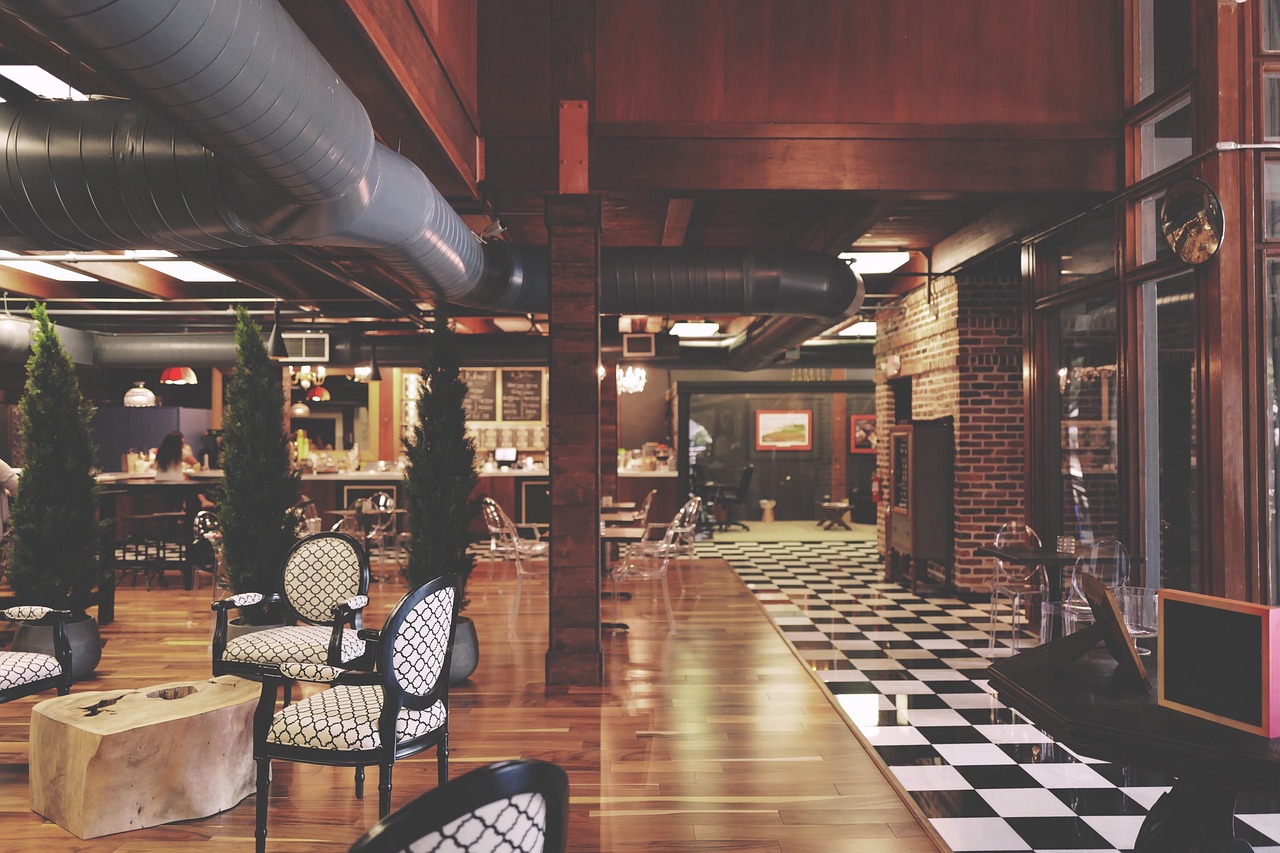
The sprawling city of Los Angeles boasts a wine scene as diverse and dynamic as its neighborhoods, offering everything from intimate natural wine havens to bustling urban lounges. For visitors and locals alike, navigating the extensive options for wine bars in Los Angeles CA can be both exciting and a little overwhelming. This guide cuts through the noise, helping you discover exceptional venues that cater to various tastes, occasions, and budgets.
- Los Angeles wine bars offer a spectrum of experiences, from casual to high-end, often with a focus on natural wines and unique varietals.
- Different neighborhoods, such as Silver Lake, Downtown, and West Hollywood, host distinct types of wine bars with unique ambiances.
- Understanding the wine list and engaging with a sommelier can significantly enhance your tasting experience.
- Always consider making reservations, especially for popular spots or during peak hours, to ensure a smooth visit.
- Exploring local California producers and attending tasting events are excellent ways to deepen your appreciation for the region’s wine culture.
Wine bars in los angeles ca: The Evolving Los Angeles Wine Scene
Los Angeles has moved far beyond its reputation for celebrity hotspots and flashy cocktail lounges to become a serious contender in the global wine landscape. The current scene is characterized by a strong emphasis on natural wines, biodynamic farming, and a genuine appreciation for small-batch producers, particularly from California’s diverse appellations. This evolution mirrors a broader culinary shift towards authenticity and sustainability. According to the Wine Institute of California (2025), consumer interest in locally sourced and sustainably produced wines has seen a significant uptick. This trend is vividly reflected in the curated selections found at many wine bars in Los Angeles CA, where you’re likely to encounter obscure varietals and unique orange wines alongside classic Californian Cabernet Sauvignons and Chardonnays. It’s a compelling time to explore the city’s vinous offerings.

Spotlighting Los Angeles Wine Bar Neighborhoods
The beauty of Los Angeles lies in its distinct neighborhoods, each offering a unique flavor of the city, and its wine bars are no exception. Knowing where to look can tailor your experience perfectly.
Downtown LA: Urban Sophistication
Downtown Los Angeles (DTLA) is experiencing a renaissance, with wine bars fitting seamlessly into its historic buildings and modern high-rises. Here, you’ll find sleek, upscale establishments perfect for a post-work unwind or a sophisticated evening. Perch, for example, offers stunning rooftop views alongside a well-curated list, while Zinqué provides a more casual, European-inspired vibe.
Silver Lake & Echo Park: Bohemian Charm
These Eastside neighborhoods are synonymous with indie culture and a relaxed, artsy atmosphere. Wine bars here often lean into the natural wine trend, featuring eclectic lists and a laid-back, community-focused feel. Places like Bacardi Silverlake offer vibrant outdoor patios, ideal for enjoying a glass with friends, while Bar Covell is known for its extensive, unwritten wine list and expert staff who guide your choice.
West Hollywood & Beverly Hills: Chic & Trendy
For a more glamorous experience, West Hollywood and Beverly Hills deliver. Expect stylish interiors, celebrity sightings, and impressive wine lists that often include rare vintages and high-end selections. Marvin, a French-inspired bistro in WeHo, offers an excellent wine program alongside delicious food, embodying the chic Los Angeles wine lounge experience.
Santa Monica & Venice: Coastal Cool
Along the coast, wine bars adopt a more relaxed, beachy vibe, though without sacrificing quality. Many focus on organic and sustainable wines, perfect for a sunny afternoon or a sunset sip. Esters Wine Shop & Bar in Santa Monica is a prime example, functioning as both a retail shop and a relaxed bar, emphasizing Californian and international selections. For surface-material comparisons, see.
Decoding the Wine List: An Insider’s Guide
For many, a long wine list can be daunting. In Los Angeles wine bars, where unique varietals and natural wines are common, it’s an opportunity to explore rather than feel overwhelmed. Most establishments pride themselves on knowledgeable staff, so don’t hesitate to engage your server or sommelier. Start by identifying what you generally enjoy: red, white, rosé, sparkling. Then, consider your preferred style: light-bodied, full-bodied, fruit-forward, earthy, crisp, or rich. Don’t be afraid to ask about specific regions or producers that might be new to you. Many LA wine spots offer tasting flights, which are an excellent way to sample several wines without committing to a full glass, perfect for discovering new favorites. A unique aspect of the LA wine scene is the prominence of orange wines and pét-nat (pétillant naturel). If you’re curious, ask your sommelier for a recommendation in these categories. They’re often food-friendly and offer a distinct profile not found in traditional wines. This willingness to experiment is a hallmark of the best wine spots LA has to offer.
Beyond the Glass: Food Pairings and Ambiance
A truly memorable wine bar experience often extends beyond the liquid in your glass. Many wine bars in Los Angeles CA excel at offering exquisite small plates and carefully crafted dishes that complement their wine selections. Think charcuterie boards, artisanal cheeses, seasonal salads, and creative tapas designed to enhance the flavors of the wine. Consider the ambiance you seek. Are you looking for a romantic spot with dim lighting and plush seating? Or a lively, communal table setting perfect for a group? Perhaps an outdoor patio to enjoy the pleasant Southern California evenings? Los Angeles offers it all. For instance, a place like E.P. & L.P. offers a vibrant rooftop, while Wally’s Beverly Hills provides an opulent, upscale setting.

How to Choose Your Ideal LA Wine Experience
Selecting the perfect wine bar depends on a few key factors. Consider your reason for visiting, your budget, and the type of wine you’re in the mood for. Here’s a quick guide to help you decide: 1. Define Your Occasion: Is it a first date, a casual catch-up with friends, a special celebration, or a solo exploration? This will narrow down choices between intimate, bustling, or educational settings. 2. Consider Your Budget: Prices for a glass of wine in LA can range from $12-$18 for standard pours to $25+ for premium or rare selections. Tasting flights often cost between $25-$45. Factor in food pairings if you plan to dine. 3. Pinpoint Your Wine Preference: Are you a fan of traditional Bordeaux blends, seeking adventurous natural wines, or keen to explore California’s diverse appellations? Some bars specialize, while others offer broad selections. 4. Location, Location, Location: Los Angeles is vast. Choose a neighborhood that’s convenient or offers the specific vibe you’re looking for, whether it’s the artistic Eastside or the sophisticated Westside.
| Occasion | Neighborhood Focus | Typical Vibe | Price Range (per glass) |
|---|---|---|---|
| Romantic Date | West Hollywood, Los Feliz | Intimate, Chic | $18 – $30+ |
| Casual Friends Gathering | Silver Lake, Arts District | Lively, Bohemian | $14 – $22 |
| Wine Exploration/Tasting | Downtown, Santa Monica | Educational, Focused | $15 – $25 (flights higher) |
| Business/Upscale Dining | Beverly Hills, West Hollywood | Sophisticated, Exclusive | $20 – $40+ |
Pros of Exploring LA Wine Bars
- Diverse Selections: Access to an incredible range of local and international wines, including many hard-to-find natural and biodynamic options.
- Expert Guidance: Highly knowledgeable sommeliers and staff are often available to guide your choices and educate you on new wines.
- Vibrant Atmosphere: Each neighborhood offers distinct ambiances, from cozy and romantic to lively and artistic, ensuring a match for any mood.
- Culinary Pairings: Many bars feature exceptional food menus designed to perfectly complement their wine selections, elevating the overall experience.
Cons of Exploring LA Wine Bars
- Traffic & Parking: Los Angeles is notorious for traffic, and parking can be challenging and costly, especially in popular areas.
- Price Point: Quality wine and sophisticated settings often come with a higher price tag compared to other bar types.
- Overwhelming Choices: The sheer number of options and unique wine styles can be daunting for those new to the scene.
- Popularity & Crowds: Highly-rated or trendy wine bars can become very crowded, making spontaneous visits difficult without a reservation.
Common Mistakes When Exploring LA Wine Bars
Even seasoned wine enthusiasts can make missteps when diving into a new city’s scene. Avoiding these common pitfalls will ensure a smoother, more enjoyable experience at wine bars in Los Angeles CA. One frequent mistake is not making a reservation, especially for popular spots on weekends. Los Angeles’s best wine bars, particularly those with coveted outdoor seating or intimate nooks, fill up quickly. Always check their website or call ahead to avoid disappointment. Another pitfall is sticking only to familiar varietals. While comfortable, this limits your exposure to the innovative and diverse offerings that define LA’s wine culture. Be open to trying a Grenade from Santa Barbara or an Italian white you’ve never heard of. The sommeliers are there to help you explore. Finally, underestimating travel time between locations can derail a planned wine crawl. Los Angeles traffic is a real consideration. Plan your route strategically, perhaps focusing on one or two adjacent neighborhoods per outing to maximize your time enjoying the wine, not the freeway.
Expert Tips for a Memorable Visit
To truly make the most of the Los Angeles wine scene, a few insider tips can elevate your experience. First, don’t be afraid to ask for a recommendation based on your food order. Many sommeliers craft their lists with specific pairings in mind, making for a harmonious meal. According to a 2025 survey by the Guild of Sommeliers, personalized recommendations significantly enhance diner satisfaction. Second, explore the burgeoning world of California small-producer wines. Many wine bars in Los Angeles actively champion local, independent winemakers who often produce natural, organic, or biodynamic wines not widely available elsewhere. These unique bottles offer a taste of California’s innovative spirit. Asking for a “local, low-intervention” suggestion can lead to exciting discoveries. Finally, keep an eye out for special events. Many Los Angeles wine lounges host winemaker dinners, tasting flights focused on a specific region, or educational seminars. These events provide an unparalleled opportunity to learn directly from experts and deepen your appreciation for wine. Check social media and websites for upcoming schedules.
Frequently Asked Questions
What is the typical price range for a glass of wine in Los Angeles?
The price for a glass of wine in Los Angeles generally ranges from $12 to $18 for standard selections. For premium, natural, or rare wines, prices can go upwards of $25-$30 per glass. Tasting flights typically cost between $25 and $45, offering a diverse sampling experience.
Are reservations necessary for Los Angeles wine bars?
For popular or highly-rated wine bars, especially on weekends or during peak evening hours, reservations are highly recommended. While some establishments accommodate walk-ins, securing a table in advance ensures a smooth experience and avoids potential wait times or disappointment.
Do LA wine bars typically offer food?
Most wine bars in Los Angeles offer a selection of food, ranging from small plates like charcuterie and cheese boards to more substantial culinary offerings. Many aim to provide dishes specifically designed to complement their wine lists, enhancing the overall tasting experience.
What are ‘natural wines’ and are they common in LA?
Natural wines are made with minimal intervention, often without added sulfites, yeasts, or other chemicals. They are very common in Los Angeles wine bars, reflecting a strong local trend towards organic, biodynamic, and sustainable practices in winemaking. Many bars specialize in these unique selections.
Which neighborhoods are best for wine bars in Los Angeles?
Excellent wine bars can be found across Los Angeles, with concentrations in Downtown LA for urban sophistication, Silver Lake and Echo Park for bohemian vibes, West Hollywood and Beverly Hills for chic experiences, and Santa Monica for coastal cool. Each offers a distinct atmosphere and selection.
Can I find outdoor seating at Los Angeles wine bars?
Yes, many wine bars in Los Angeles, capitalizing on the city’s favorable climate, offer outdoor seating options. Patios, rooftops, and sidewalk tables are common, providing a pleasant setting for enjoying wine al fresco. It’s advisable to check in advance or reserve if outdoor seating is a priority.
Conclusion
Exploring the wine bars in Los Angeles CA is an adventure for the senses, offering a rich mix of flavors, atmospheres, and experiences. From the latest natural wine scene to classic, elegant lounges, LA provides a compelling destination for any wine lover. By approaching each visit with an open mind and utilizing the insights shared here, you’re poised to discover your next favorite sip and create truly memorable evenings. Information current as of July 2026; pricing and product details may change.

Where Was The Pitt Filmed? Unpacking Pittsburgh’s Starring Role

Croatia’s Top Destinations: Beyond the Postcard

Your Guide to Things to Do in Los Angeles

Sonny’s Kitchen Barnes: A London Gem for NYC Foodies

Hannah Pham: The Unseen Architect Behind the Spotlight

Finding Your Perfect Bowl: Ramen Near Me in NYC’s East End
-
 City Living2 weeks ago
Hannah Pham: The Unseen Architect Behind the Spotlight
-
 Food & Restaurants3 weeks ago
Sonny’s Kitchen Barnes: A London Gem for NYC Foodies
-
 Food & Restaurants3 weeks ago
Finding Your Perfect Bowl: Ramen Near Me in NYC’s East End
-

 Food & Restaurants3 weeks ago
Portland’s Coffee Comeback: Finding the Best Cafes in the Rose City
-

 Food & Restaurants3 weeks ago
Roy St Coffee and Tea: Crafting NYC’s East End Experience
-

 Travel & Day Trips3 weeks ago
Tour a Canaima: Journey to Angel Falls
-

 Food & Restaurants3 weeks ago
Chinatown NYC: Your Guide to Unforgettable Eats
-

 Food & Restaurants3 weeks ago
North End Grill Battery Park: Reimagining Dining After