
Arts & Culture
Where Was The Pitt Filmed? Unpacking Pittsburgh’s Starring Role
A common question asked is where is The Pitt filmed, the hit medical drama from Max. The series intricately blends authentic Pittsburgh settings with dedicated studio work, creating a realistic backdrop for its intense hospital scenes.

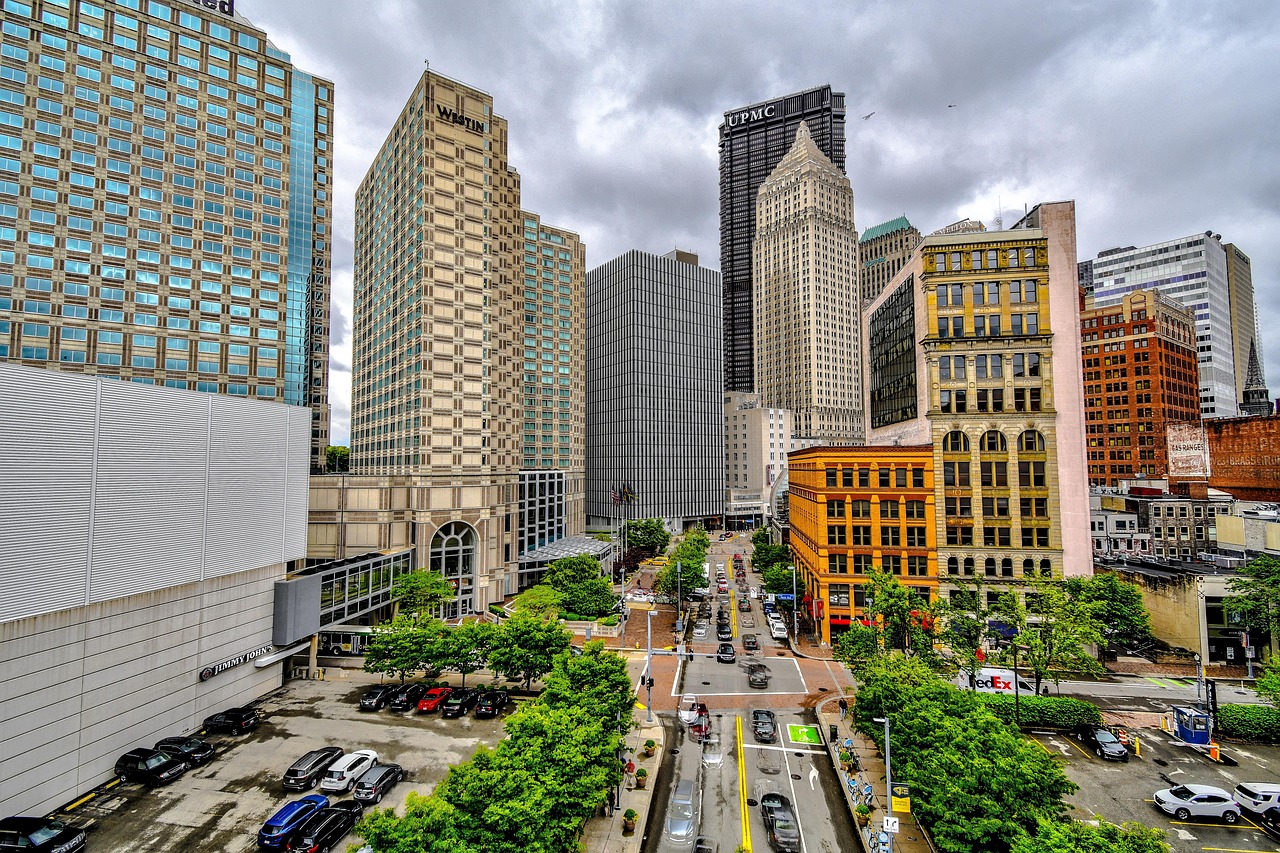
he Pitt; it’s practically a character itself. The series producers made a conscious decision to anchor the show firmly in the Steel City, utilizing its unique topography, bridges, and industrial-chic architecture to great effect. This commitment to on-location filming adds an undeniable layer of realism that simply can’t be replicated on a backlot. The city’s distinctive character, from its rolling hills to its confluence of rivers, often provides a visual metaphor for the dramatic tensions within the show. Filming in Pittsburgh allowed the production to capture the city’s authentic pulse, from its bustling downtown streets to its more residential, character-filled neighborhoods.
Allegheny General Hospital: The Real-Life Trauma Center
A cornerstone of The Pitt‘s authenticity is its use of Allegheny General Hospital (AGH). Located on Pittsburgh’s North Side, AGH provided many of the exterior shots and some interior elements for the fictional Pittsburgh Trauma Medical Center. This choice immediately grounds the series in a tangible reality, familiar to anyone in the region. The production team worked closely with the hospital to minimize disruption while capturing its imposing architecture and functional aesthetic. While most critical care scenes were meticulously recreated on soundstages, the visual integration of a real, active hospital like AGH lends significant credibility to the narrative. It’s a powerful example of how production designers blend reality with dramatic necessity.
The Magic of Studio Soundstages: Crafting the Hospital Interior
Despite Pittsburgh’s prominent role, a large portion of The Pitt‘s interior hospital scenes were meticulously filmed on soundstages in Burbank, California. This is standard practice for complex medical dramas, offering unparalleled control over lighting, sound, and set design. Recreating an entire emergency department, operating rooms, and patient wards on a soundstage allows for continuous filming without disrupting an actual hospital’s vital operations. These purpose-built sets are incredibly detailed, designed to mimic every aspect of a functioning hospital, from sterile equipment to complex medical monitors. The ability to control every variable, from the placement of a prop to the precise angle of a camera, is crucial for maintaining narrative consistency and executing intricate medical procedures convincingly. Without this blend of studio work, a show of The Pitt‘s scale and detail would be logistically impossible to produce solely in a working medical facility.
Beyond the Hospital Walls: Iconic Pittsburgh Landmarks Featured
While the hospital is central, The Pitt also showcased several other iconic Pittsburgh locations, weaving them into the characters’ daily lives and the broader narrative. Viewers might recognize the distinctive yellow bridges spanning the Allegheny River, or the bustling streets of neighborhoods like the Strip District. These wider city shots help establish a sense of place, reminding the audience that the drama unfolds within a vibrant, living city. The inclusion of recognizable landmarks provides a grounding effect, especially for local viewers. It’s a subtle way to enhance the story’s realism, making the fictional world feel more tangible. The production team skillfully integrated these locations, ensuring they felt organic to the story rather than merely scenic backdrops. For instance, specific scenes often use the unique architecture of downtown Pittsburgh or the vibrant street art of certain districts, reflecting the city’s diverse character.
Pittsburgh’s Film Industry Boom: A Strategic Choice for The Pitt
The decision to film a significant portion of The Pitt in Pittsburgh wasn’t just about aesthetic appeal; it was also a strategic economic move. Pennsylvania offers a solid Film Tax Credit program, which provides a transferrable or refundable tax credit to productions that incur at least 60% of their total production expenses in the Commonwealth. According to the Pennsylvania Film Office, this incentive can be substantial, often attracting major studio projects. For a high-budget series like The Pitt, which reportedly invested millions in local spending, these incentives are a powerful draw. This financial encouragement helps productions offset costs, stimulate local economies by hiring local crews and vendors, and boost the region’s profile as a viable filming destination. It’s a win-win: the show gains authentic locations, and Pittsburgh benefits from job creation and economic activity. In 2026, the competitive landscape for film incentives continues to shape where major productions choose to operate across the country.
Navigating The Pitt Filming Locations: A Fan’s Guide
For fans of The Pitt looking to experience the show’s real-world settings, a trip to Pittsburgh offers some unique opportunities. While you won’t be able to tour the interior of Allegheny General Hospital (as it’s a working medical facility), you can certainly admire its impressive facade on the North Side. Many of the city’s bridges, downtown streets, and recognizable skyline views are also accessible and make for great photo opportunities. Remember to respect private property and the operations of any public spaces when exploring. Walking tours that focus on Pittsburgh’s film history might provide interesting context, even if they don’t specifically feature The Pitt. The best approach is to enjoy the city’s vibrant atmosphere and recognize the visual cues that brought the show to life. Exploring the Strip District for its culinary offerings, or riding the Duquesne Incline for panoramic views, offers a taste of the city that drew the production there.
Common Misconceptions About On-Location Filming
One common mistake viewers make is assuming that every scene depicted on screen was shot in its actual location. While The Pitt made extensive use of Pittsburgh, the reality of television production involves a complex blend of practical locations and studio work. Scenes requiring intricate stunt work, special effects, or strict environmental control are almost always moved to a soundstage, even if they’re meant to represent an outdoor setting. Another misconception is that filming on location is always cheaper. While tax incentives help, the logistics of closing streets, managing crowds, and coordinating with city services can be incredibly costly and time-consuming. Studio filming, despite the initial investment in set construction, often provides a more predictable and ultimately more efficient workflow for many types of scenes, especially those requiring continuity over many episodes, like the interior of a hospital.
Tips for Spotting Real Locations vs. Studio Sets
- Look for Continuity Errors: In real-world settings, things like weather, pedestrian traffic, or parked cars can change between takes, sometimes making it into the final cut. Studio sets offer flawless continuity.
- Observe Lighting: Outdoor scenes shot on a soundstage often have an almost ‘too perfect’ lighting quality, lacking the subtle imperfections of natural light.
- Consider Practicality: Ask yourself if a highly disruptive or dangerous scene could realistically be filmed in a public area. If not, it’s likely a studio set.
Expert Insights: Balancing Authenticity and Efficiency
Working in film production for over a decade, I’ve seen firsthand how productions like The Pitt master the balance between on-location realism and studio efficiency. The key lies in understanding which elements demand absolute authenticity and which can be meticulously recreated. For The Pitt, the exterior of Allegheny General Hospital provides the undeniable sense of place, while the interior medical drama thrives in the controlled, infinitely customizable environment of a soundstage. This hybrid approach allows filmmakers to use the unique charm and visual storytelling potential of a real city while maintaining the stringent safety, logistical, and creative control necessary for a complex medical series. It’s a testament to modern filmmaking that viewers can barely distinguish between the two, experiencing a smooth, believable world. The ability to shoot exterior establishing shots in Pittsburgh, then transition to complex, multi-day interior sequences on a Burbank soundstage, is what makes such productions viable and visually compelling.
Frequently Asked Questions
Was the entire series of The Pitt filmed in Pittsburgh?
No, while The Pitt extensively used Pittsburgh for exterior and establishing shots, a significant portion of its interior scenes, particularly those within the fictional hospital, were filmed on custom-built soundstages located in Burbank, California. This hybrid approach allowed for both authenticity and logistical control during production.
Can fans visit the specific hospital locations used in The Pitt?
Fans can view the exterior of Allegheny General Hospital in Pittsburgh, which served as a primary visual for the show’s fictional trauma center. However, as it’s a fully operational medical facility, public access to interior filming locations is not permitted. Visitors should always respect patient privacy and hospital operations.
Why did The Pitt choose Pittsburgh as its primary filming location?
Pittsburgh was chosen for The Pitt due to its distinct urban aesthetic, which provides a strong sense of place for the medical drama, and critically, because of Pennsylvania’s attractive film tax credit program. These incentives significantly reduce production costs and foster local economic growth.
How much did The Pitt contribute to Pittsburgh’s economy?
While specific figures vary, large-scale productions like The Pitt often inject millions of dollars into the local economy through job creation for local crews, spending on local vendors, accommodations, and services. Reports indicated investments ranging from several million to tens of millions in local spending, benefiting the city.
What is the fictional hospital name in The Pitt?
The fictional hospital central to the drama in The Pitt is named the Pittsburgh Trauma Medical Center. This name, while fictional, directly ties into the show’s real-world filming in Pittsburgh and emphasizes the high-stakes medical environment depicted.
Were any interior hospital scenes actually filmed in a real Pittsburgh hospital?
While Allegheny General Hospital’s exterior was a prominent feature, most of the intricate interior hospital scenes, especially those requiring complex medical equipment and long shooting schedules, were recreated on soundstages. This ensures consistency, control, and avoids disruption to actual patient care.
What other Pittsburgh landmarks might viewers recognize in The Pitt?
Viewers might recognize various iconic Pittsburgh features, including its distinctive yellow bridges, the confluence of its three rivers, and specific streetscapes in neighborhoods like Downtown or the Strip District. These elements were woven into the series to enhance its authentic sense of place. Ultimately, where is The Pitt filmed reveals a smart production strategy: Using the rich character of a real city for its visual appeal and economic benefits, while using the controlled environment of studio sets for the intricate, day-to-day demands of a medical drama. This blend creates a believable and compelling world that draws viewers in, making them feel truly present in the heart of Pittsburgh’s fictional trauma center. Information current as of August 2026; pricing and product details may change.
Related Articles
- Sonny's Kitchen Barnes: A London Gem for NYC Foodies
- Your 2026 Guide to Things to Do in Los Angeles
- Beyond the Brochure: Essential Things to Do in Hochatown




Arts & Culture
Where Was “On the Waterfront” Filmed? Hoboken’s Enduring Legacy
Curious where was the waterfront filmed? This cinematic masterpiece found its raw authenticity in Hoboken, New Jersey. Discover the real locations that brought its gritty story to life.
Why does a film shot over 70 years ago still resonate so deeply with audiences and critics alike? Much of “On the Waterfront”‘s power comes from its raw, unflinching portrayal of dockside life, a realism rooted directly in its gritty filming locations. The legendary 1954 film, starring Marlon Brando, wasn’t just set against a backdrop of working-class docks; it was practically born from them. This masterpiece of American cinema was almost entirely shot on location in Hoboken, New Jersey, capturing the authentic spirit of its primary keyword: where was the waterfront filmed, right down to the very cobblestones and tenement walls.
Key Takeaways
- “On the Waterfront” was almost exclusively filmed in Hoboken, New Jersey, providing unparalleled authenticity.
- Key locations include the waterfront docks near Lackawanna Terminal, specific tenement buildings, and local streets.
- Director Elia Kazan insisted on these real-world settings to capture the grittiness of 1950s dockworker life.
- Visiting Hoboken today offers a unique opportunity to walk through cinematic history, comparing the film’s stark reality with the city’s vibrant present.
- The film’s locations were crucial in earning its eight Academy Awards, including Best Picture.
The Heart of the Story: Hoboken, NJ
When people ask, “where was the waterfront filmed?” the unequivocal answer’s Hoboken, New Jersey. This bustling city on the Hudson River, directly across from Manhattan, served as the gritty, authentic backdrop for almost every scene in the film. Director Elia Kazan and screenwriter Budd Schulberg meticulously chose Hoboken for its active port operations, dense working-class neighborhoods, and palpable atmosphere of the longshoremen’s lives. The city’s docks, streets, and tenement buildings were not just sets; they were extensions of the characters themselves. This commitment to realism helped ground the film’s intense drama, portraying the struggles against union corruption and the moral dilemmas faced by Terry Malloy (Marlon Brando) with an honesty that resonated deeply with audiences.
Why Location Mattered: Elia Kazan’s Vision
Elia Kazan, a master of method acting and realistic filmmaking, strongly believed in shooting on location to achieve maximum authenticity. He rejected studio backlots, opting instead for the raw, unfiltered environment of Hoboken. This decision was key in shaping the film’s dark, naturalistic aesthetic and enhancing the performances of its iconic cast. Kazan’s approach meant that the actors, including Marlon Brando, Eva Marie Saint, and Karl Malden, were immersed in the actual conditions faced by dockworkers. They interacted with real longshoremen, absorbed the local dialect, and felt the chill of the Hudson River winds, with this dedication to authentic environments a hallmark of Kazan’s directorial style, turning Hoboken itself into a character in the narrative.
Iconic Scenes and Their Real-World Counterparts
Several memorable scenes from “On the Waterfront” are tied to specific, now-legendary locations in Hoboken. The powerful rooftop pigeon coop scenes, where Terry Malloy raises his beloved birds, were filmed atop a real tenement building, likely around the 11th and Hudson Street area. The pigeons themselves were locals, contributing to the film’s organic feel. The dramatic alleyway confrontations, particularly the famous “I coulda been a contender” scene between Terry and Charley Malloy (Rod Steiger), were shot in the narrow, brick-lined passages typical of Hoboken’s older districts. While specific addresses are often debated, the general feel of these tight, shadowed spaces is instantly recognizable to anyone who’s familiar with the film.
The Lackawanna Terminal: A Transportation Hub and Filming Anchor
A central visual element and a key filming location was the area around the Hoboken Lackawanna Terminal. This historic transportation hub, still active today, served as a gateway for the longshoremen and a backdrop for many of the film’s dock scenes, with its sprawling piers and surrounding structures providing the perfect setting for the corrupt union activities depicted in the movie. The terminal’s grand architecture and the adjacent working docks offered a stark contrast between the city’s aspirations and the grim realities of labor exploitation. According to film historians, Kazan used the terminal’s train tracks and the loading areas extensively, embedding the struggle within the very infrastructure of the port.
Exploring Hoboken’s Waterfront Today: A Cinematic Stroll
For cinephiles and history buffs, a visit to Hoboken offers a unique opportunity to connect with “On the Waterfront” filming locations. While the docks have undergone significant redevelopment since the 1950s, the underlying street grid and some architectural elements remain. The waterfront itself is now largely a beautiful park with stunning views of the Manhattan skyline, a far cry from the gritty working port of the film, and you can walk along Sinatra Drive, which parallels the Hudson River, imagining the bustling pier activity. Many of the older tenement buildings that provided the backdrop for the film’s domestic and street scenes are still standing, particularly further west from the waterfront. While specific filming sites aren’t marked with plaques, the ambiance of the older neighborhoods transports you back in time. For an authentic experience, consider visiting the Hoboken Historical Museum, which often features exhibits related to the city’s rich past, including its port history. According to the Hoboken Historical Museum (2026), the city’s industrial past is a cornerstone of its identity.
The Legacy of the Waterfront and Its Impact on Hoboken
The film’s monumental success, including eight Academy Awards, cast a long shadow over Hoboken. For many years, the city was synonymous with the movie’s portrayal of corruption and working-class struggle. However, over time, Hoboken has embraced its cinematic heritage, recognizing how the film immortalized a crucial period in its history. Today, the city is a vibrant community with a mix of historic charm and modern amenities, a popular destination for New Yorkers seeking a quieter pace with easy access to the city. The film serves as a powerful reminder of the city’s past, and a testament to the enduring power of real-world locations in storytelling.
Common Misconceptions About the Filming
One common misconception about “On the Waterfront” is that some key scenes were filmed in New York City. While the film’s themes and the broader issue of waterfront corruption were prevalent across the entire New York Harbor, the production remained firmly rooted in Hoboken, and another myth is that the entire film was improvised. While Marlon Brando’s performance certainly had elements of improvisation, the script by Budd Schulberg was meticulously crafted and based on real-life events and investigative journalism. The actors’ freedom came within the framework of a powerful, well-structured narrative, enhanced by the authentic Hoboken film locations.
Tips for a Waterfront-Inspired Visit
When planning a trip to explore the iconic movie locations in NJ, start your journey at the Hoboken Terminal, a historic landmark in itself. From there, you can easily walk along the waterfront parks and venture into the grid of streets further inland, looking for older brick buildings, narrow alleys, and the general character of a city that has evolved but not forgotten its roots. While a dedicated “On the Waterfront” tour isn’t a widely advertised offering, a self-guided exploration with the film in mind offers a deeply personal and enriching experience. Consider grabbing a meal at one of Hoboken’s classic diners or pubs to complete the nostalgic feel.
Frequently Asked Questions
Was Marlon Brando actually in Hoboken for the filming?
Yes, Marlon Brando, along with the entire main cast, was present in Hoboken for the duration of the filming. Director Elia Kazan insisted on shooting on location to capture the raw authenticity of the environment and ensure the actors fully immersed themselves in their roles.
Can I visit the specific pier where Terry Malloy worked?
While the exact pier numbers used for filming are not widely publicized or preserved, the general area around the Lackawanna Terminal and the Hoboken waterfront was the primary setting for the dock scenes. The waterfront has been redeveloped, but the historical essence remains.
What does Hoboken’s waterfront look like today compared to the movie?
Today, Hoboken’s waterfront is dramatically different. The gritty, industrial docks have largely been replaced by scenic parks, residential buildings, and recreational pathways. It offers stunning views of the Manhattan skyline, a stark contrast to the working-class port depicted in the film.
Were any real longshoremen involved in the film?
Yes, many local longshoremen and residents of Hoboken were used as extras in the film. This further contributed to the movie’s authentic portrayal of the community and the struggles faced by the working class on the docks, adding to the realism of the Waterfront movie settings.
How far is Hoboken from New York City?
Hoboken is directly across the Hudson River from Manhattan. It’s easily accessible from NYC via the PATH train, ferry, or bus, making it a convenient day trip for those interested in exploring its cinematic and historical ties.
Finally: A City and a Film Forever Linked
“On the Waterfront” remains a cinematic touchstone, and its power’s inextricably linked to its setting. The answer to where was the waterfront filmed is clear: Hoboken, New Jersey. This city provided more than just a backdrop; it offered a living, breathing environment that shaped the narrative, defined the characters, and cemented the film’s place in history. Exploring these iconic movie locations today offers a profound connection to a masterpiece of American cinema and a glimpse into a key moment in labor history. The enduring resonance of the film is a testament to Kazan’s vision and Hoboken’s unforgettable character. Information current as of August 2026.




Where Was The Pitt Filmed? Unpacking Pittsburgh’s Starring Role

Croatia’s Top Destinations: Beyond the Postcard

Your Guide to Things to Do in Los Angeles

Sonny’s Kitchen Barnes: A London Gem for NYC Foodies

Hannah Pham: The Unseen Architect Behind the Spotlight

Finding Your Perfect Bowl: Ramen Near Me in NYC’s East End
-
 Food & Restaurants3 weeks ago
Sonny’s Kitchen Barnes: A London Gem for NYC Foodies
-
 City Living2 weeks ago
Hannah Pham: The Unseen Architect Behind the Spotlight
-
 Food & Restaurants3 weeks ago
Finding Your Perfect Bowl: Ramen Near Me in NYC’s East End
-

 Food & Restaurants3 weeks ago
North End Grill Battery Park: Reimagining Dining After
-

 Travel & Day Trips3 weeks ago
Epstein Bed and Breakfast Liverpool: Your Deep Dive into
-

 Food & Restaurants3 weeks ago
Chinatown NYC: Your Guide to Unforgettable Eats
-

 Food & Restaurants3 weeks ago
Fat Hen South Carolina: Remembering Johns Island’s Culinary Icon
-

 Travel & Day Trips3 weeks ago
Kolymbithres Beach: Paros’ Sculpted Aegean Gem